




What's Happening?
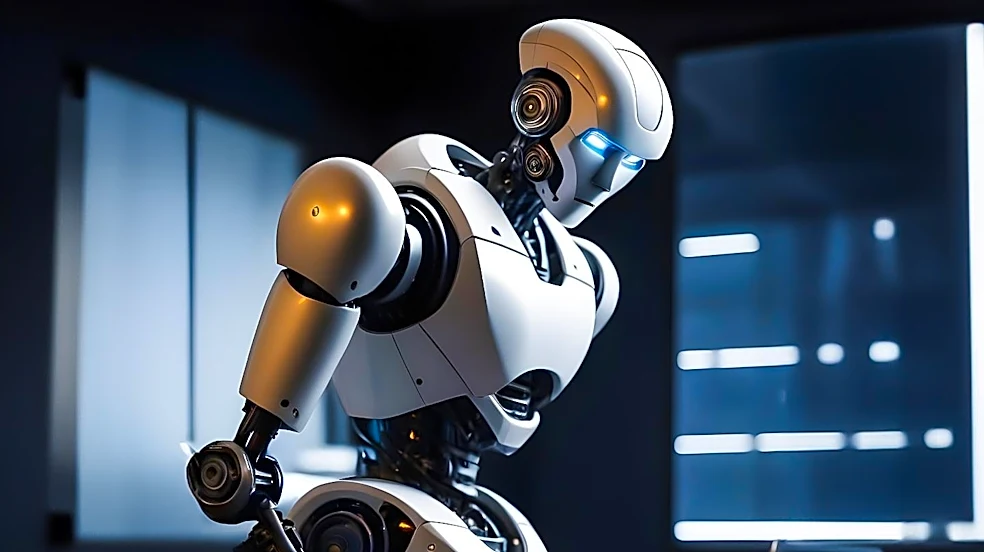
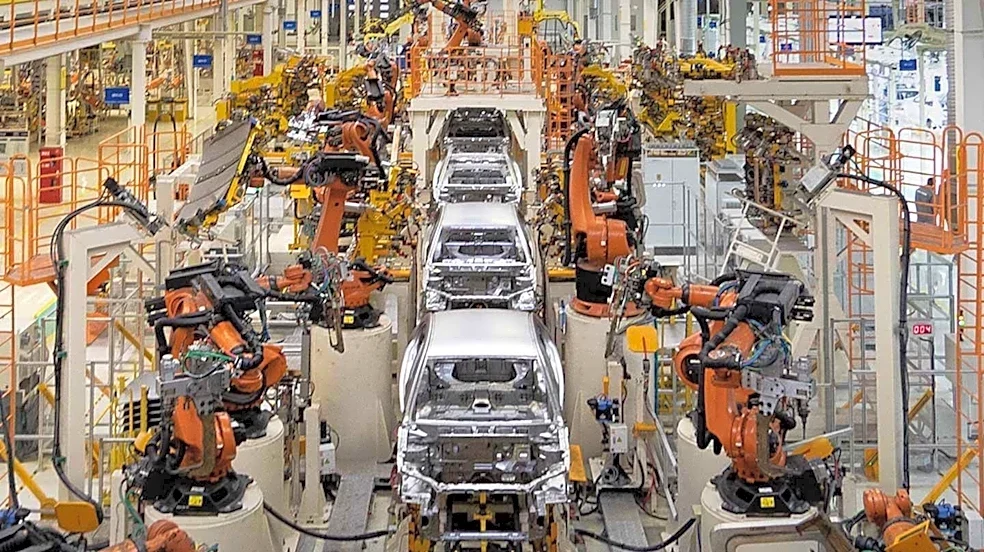
Agile Robots and Audi are collaborating to revolutionize automotive logistics by deploying mobile humanoids powered by Artificial Intelligence (AI). This partnership aims to automate high-value, critical tasks that have historically been challenging to automate,
particularly within the sequencing process in automotive logistics. According to Dr. Zhaopeng Chen, founder and CEO of Agile Robots, this initiative demonstrates how their mobile humanoids can perform tasks previously considered impossible for automation, driving industrial productivity through 'Physical AI.' Gerd Walker, Board Member for Production and Logistics at AUDI AG, emphasized that the future of manufacturing will be defined by the successful integration of industrial expertise with AI. The collaboration seeks to unlock new levels of productivity in Audi factories by addressing one of the toughest automation challenges in the automotive sector. The project is supported by Dassault Systèmes and NVIDIA, leveraging advanced simulation and validation tools to ensure the effective deployment of these robotic solutions.
Why It's Important?
This collaboration signifies a major step forward in the application of AI and robotics within the manufacturing and logistics sectors, with significant implications for U.S. industries. The successful implementation of mobile humanoids for complex tasks like parts sequencing could set a new benchmark for operational efficiency and productivity. For U.S. automotive manufacturers and logistics companies, this development highlights the increasing necessity of investing in advanced automation to remain competitive globally. It demonstrates how AI-powered robotics can address labor shortages, improve precision, and reduce operational costs, ultimately leading to higher output and potentially lower consumer prices. Companies that fail to adopt similar technologies might find themselves at a disadvantage. Furthermore, the partnership underscores the growing importance of 'Physical AI' – the application of AI in physical systems – which could drive innovation across various U.S. industrial sectors, from warehousing to heavy manufacturing, by enabling automation of previously manual and intricate processes.
What's Next?
The immediate next steps involve the continued development and deployment of these AI-powered mobile humanoids within Audi's factories. The use of Dassault Systèmes' 3DEXPERIENCE Virtual Twins Factory and NVIDIA Omniverse physical AI libraries will be crucial for simulating and validating the robots' missions and roles in a virtual environment before physical implementation. This virtual testing significantly reduces the time and resources typically required for commissioning such advanced robotic systems. The goal is to integrate these humanoids with minimal changes to existing operations, tackling complex workflows like parts sequencing. The success of this partnership could lead to broader adoption of similar AI-powered robotic solutions across the automotive industry and potentially other manufacturing sectors. Agile Robots, with its extensive research and development team and unique portfolio of AI-driven robotics, is positioned to expand its influence, offering these transformative solutions to a wider market. The long-term outlook suggests a future where AI and robotics are integral to achieving unprecedented levels of industrial productivity and efficiency.
Beyond the Headlines
The partnership between Agile Robots and Audi, supported by Dassault Systèmes and NVIDIA, represents more than just an incremental improvement in automation; it signals a fundamental shift in how manufacturing and logistics operations are conceived and executed. The concept of 'Physical AI' suggests a future where intelligent machines can adapt to dynamic environments and perform complex, non-repetitive tasks, moving beyond traditional fixed-task automation. For the U.S., this could trigger a re-evaluation of workforce training and education, as the demand for skills in robotics, AI, and data science will likely surge. Ethical considerations regarding job displacement and the human-machine interface will also become more prominent. Moreover, the emphasis on virtual validation and simulation highlights a trend towards 'digital twins' in industrial planning, allowing for risk-free experimentation and optimization before physical deployment. This approach could significantly accelerate innovation cycles and reduce development costs across various U.S. industries, fostering a more agile and technologically advanced manufacturing ecosystem.