





What's Happening?
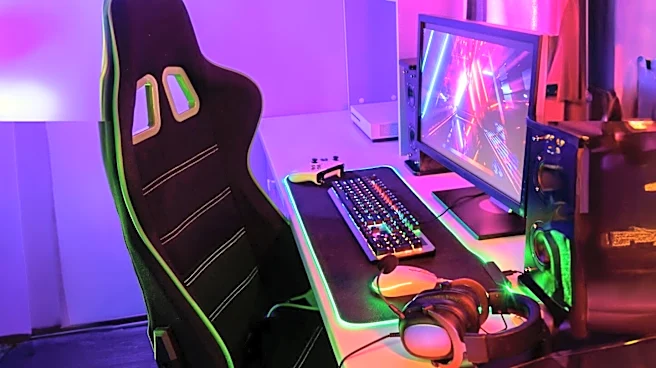
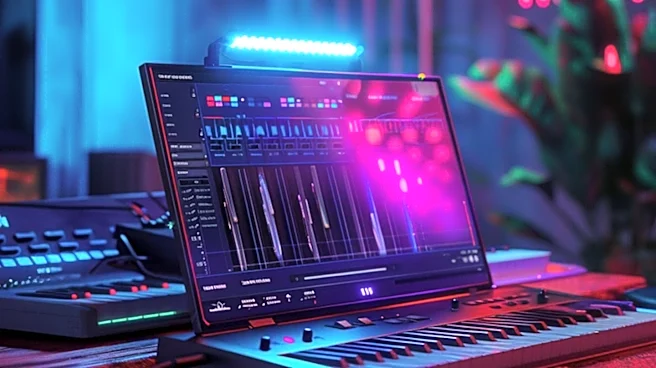
RGB lighting is increasingly utilized in video production for its ability to create creative color effects, stylized backgrounds, and mood lighting. This type of lighting is particularly popular in music content, gaming streams, social media videos, and modern
interview setups where the visual style of the background is crucial. Unlike standard white lights, RGB lights offer a spectrum of colors, allowing creators to add depth and visual contrast to their sets. While RGB lights are excellent for accents and background elements, they are generally not recommended as the sole source for flattering key light on a subject's face. Instead, a common and effective setup involves using a bi-color key light for the subject and one or more RGB lights for background enhancement. Products like RGB tube lights or compact color fixtures are highlighted as practical tools for achieving these effects without requiring extensive studio buildouts.
Why It's Important?
The adoption of RGB lighting signifies a shift in how visual content is produced, emphasizing aesthetic and mood over purely functional illumination. For content creators, especially those in the digital sphere such as YouTubers, streamers, and social media influencers, the ability to easily manipulate background aesthetics with RGB lights offers a significant competitive advantage. This trend impacts the market for lighting equipment, driving demand for versatile and affordable RGB and bi-color LED solutions. Businesses in the video production and streaming industries benefit from enhanced visual quality, which can lead to increased audience engagement and professional appeal. The emphasis on creative lighting also influences the skill sets required for video production, pushing creators to understand color theory and lighting placement to maximize visual impact. This evolution in lighting technology makes professional-looking content more accessible, lowering the barrier to entry for aspiring creators and fostering innovation in visual storytelling.
What's Next?
The trend towards sophisticated yet accessible lighting solutions is expected to continue, with manufacturers likely focusing on developing more integrated and user-friendly RGB and bi-color lighting systems. We may see further advancements in smart lighting controls, allowing for seamless synchronization with other production elements and remote operation. The increasing demand for high-quality visual content across various digital platforms will likely drive further innovation in compact, portable, and energy-efficient lighting options. Educational resources and tutorials on effective RGB lighting techniques will also become more prevalent as creators seek to master these tools. Additionally, the integration of AI-powered lighting adjustments could emerge, offering automated solutions for optimal mood and color balancing in real-time video production.
Beyond the Headlines
The widespread use of RGB lighting extends beyond mere aesthetics, influencing the psychological impact of visual content. Different colors and lighting moods can evoke specific emotions and enhance narrative immersion, making content more engaging and memorable. This has implications for marketing, education, and entertainment, where the emotional connection with the audience is paramount. The accessibility of advanced lighting technology also democratizes content creation, enabling individuals with limited budgets to produce high-quality visuals that were once exclusive to professional studios. This shift could lead to a more diverse and creative content landscape, fostering new forms of artistic expression and visual communication. However, it also raises questions about the potential for visual overstimulation and the need for creators to use these tools responsibly to avoid distracting or overwhelming their audience.