







What's Happening?
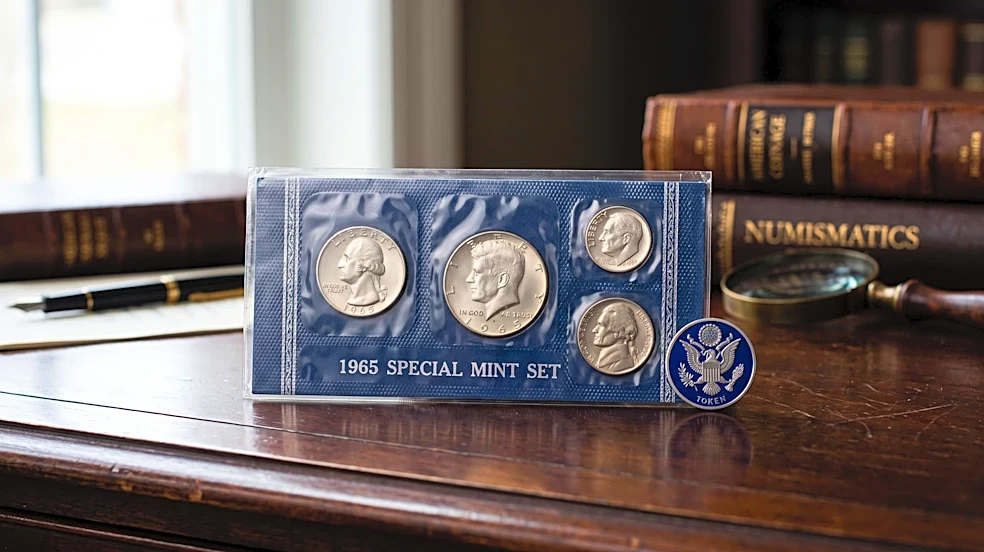
The Internal Revenue Service (IRS) applies distinct tax treatments to gains and losses from coin collections, creating varied financial outcomes for sellers. Under 26 U.S.C. § 408(m)(2), coins are classified as 'collectibles,' subjecting any long-term
gains from their sale to a 28% tax rate, as outlined in § 1(h)(4) and § 1(h)(1)(F). This rate is the highest capital gains rate, applicable unless an individual's ordinary income tax bracket is lower. For instance, a retired engineer who sold his collection for a $45,000 gain faced a $12,600 federal tax bill. Conversely, losses from selling a coin collection are generally not deductible if the collection is considered a hobby. IRS Publication 525 explicitly states that losses from hobby items are not deductible from other income. A retired teacher who sold her collection at a $15,000 loss could not deduct it, as hobby losses do not fall under the deductible categories specified in § 165(c), which include losses from trade or business, transactions entered into for profit, or casualty/theft.
Why It's Important?
These IRS rules significantly impact individuals who collect coins, particularly retirees managing their assets and tax liabilities. The disparity in treatment—taxing gains at a high rate while disallowing hobby losses—can lead to substantial financial consequences. For those who view coin collecting as an investment, meticulous record-keeping, including purchase invoices, appraisals, and evidence of intent to profit, is crucial to potentially qualify for loss deductions. Without such documentation, a collection is likely to be classified as a hobby, rendering any losses non-deductible. This distinction influences financial planning, as collectors must consider the tax implications before selling. The 28% tax rate on gains can also affect adjusted gross income (AGI), potentially leading to increased Medicare IRMAA surcharges and higher taxation of Social Security benefits, further complicating retirement financial strategies.
What's Next?
Individuals planning to sell coin collections should consult tax professionals to understand their specific tax obligations and opportunities. Collectors should review their holding periods, as assets held for less than one year are subject to short-term capital gains rates, which differ from the 28% collectibles rate. Establishing clear records of cost basis is essential, as the IRS may treat the entire sale price as gain if proof of cost is absent. Furthermore, collectors holding coins in Individual Retirement Accounts (IRAs) need to be aware of § 408(m)(1), which treats an IRA's purchase of a collectible as a distribution unless it meets specific exceptions under § 408(m)(3). Understanding these nuances before a sale can help mitigate unexpected tax burdens and optimize financial outcomes.
Beyond the Headlines
The IRS's approach to collectibles highlights a broader principle in tax law: the distinction between hobbies and for-profit activities. This distinction extends beyond coin collecting to other passion-driven pursuits like art, antiques, and stamps. The asymmetry in tax treatment—taxing gains but disallowing hobby losses—reflects a policy stance that aims to prevent individuals from deducting personal consumption expenses under the guise of investment losses. This creates an ethical and practical challenge for collectors, who often blur the lines between passion and potential profit. The emphasis on documentation and intent underscores the importance of treating collections with a business-like approach if one wishes to avail themselves of potential tax benefits, pushing collectors to consider their motivations and record-keeping practices more rigorously.