


What's Happening?
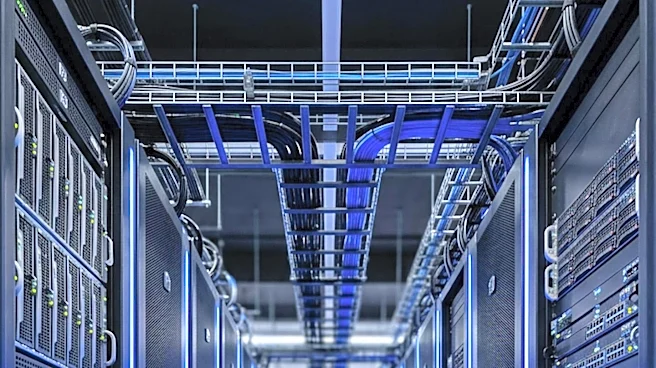
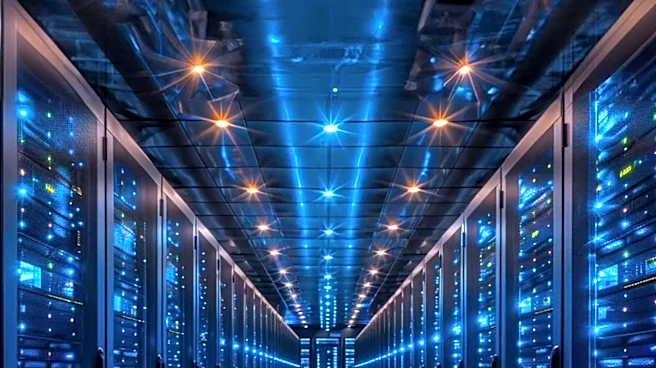
Antonio Neri, the CEO of Hewlett Packard Enterprise (HPE), recently provided a tour of the company's Houston campus, highlighting its advancements in AI infrastructure. During the tour, Neri showcased HPE's supercomputer labs and discussed the company's innovative
approaches to next-generation cooling technology. This initiative underscores HPE's role in developing the foundational technology that powers the burgeoning artificial intelligence sector. The tour also touched upon diverse projects, including a beekeeping initiative on campus, demonstrating a broader scope of activities within the enterprise. Neri's presentation emphasized how HPE is contributing to the future of AI, from supporting space missions to developing cutting-edge cooling solutions essential for high-performance computing. The company's focus remains on building the robust infrastructure required for the expanding AI landscape.
Why It's Important?
HPE's advancements in AI infrastructure and cooling technology are crucial for the continued growth and efficiency of the artificial intelligence industry. As AI applications become more complex and data-intensive, the demand for powerful and energy-efficient computing solutions escalates. HPE's work in supercomputing and advanced cooling directly addresses these needs, enabling the development and deployment of more sophisticated AI models. This is significant for various U.S. industries, including technology, defense, and research, which rely heavily on high-performance computing. Companies that can provide scalable and sustainable AI infrastructure will play a pivotal role in shaping technological progress and maintaining competitive advantages in the global market. The innovations showcased by Neri position HPE as a key enabler for future AI-driven advancements across multiple sectors.
What's Next?
Following the showcase of its AI infrastructure and cooling technology, Hewlett Packard Enterprise is expected to continue its focus on innovation in these areas. The company will likely pursue further research and development to enhance its supercomputing capabilities and refine its cooling solutions, anticipating the increasing demands of AI. This could lead to new product announcements and partnerships aimed at expanding HPE's market share in the AI infrastructure space. Industry observers will be watching for how HPE integrates these technologies into broader solutions for enterprises and government clients. The ongoing development of AI will necessitate continuous improvements in hardware and cooling, suggesting that HPE's current initiatives are part of a long-term strategy to remain at the forefront of technological advancement.
Beyond the Headlines
The emphasis on advanced cooling technology by HPE highlights a critical, often overlooked, aspect of the AI boom: energy consumption and environmental impact. As AI models grow in complexity, the energy required to power and cool the necessary hardware increases substantially. HPE's focus on next-gen cooling solutions suggests a proactive approach to addressing these sustainability challenges. This has broader implications for data center design, energy policy, and the overall carbon footprint of the technology sector. Companies that can develop more energy-efficient AI infrastructure will not only gain a competitive edge but also contribute to more sustainable technological growth. This development points towards a future where technological innovation must increasingly align with environmental responsibility, making cooling solutions as vital as processing power in the AI era.