
The Intellectual Layer
There’s an undeniable intelligence that a collection of books brings to a space. It’s a concept that goes beyond simply appearing well-read. A home filled with books suggests a curious mind and a life rich with ideas. This isn’t about displaying unread
classics as trophies, but about letting your genuine interests take up physical space. The presence of books, whether on philosophy, travel, or cooking, communicates your passions without you having to say a word. It adds a layer of depth and personal history to a room, making it feel curated by a life, not just a designer. This ‘smartness’ isn't about pretension; it's about authenticity. Your collection is a reflection of your journey, your curiosities, and your identity, making your home uniquely yours.
Creating Textural Softness
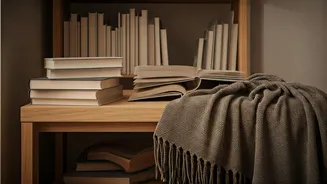
Beyond the intellectual weight, books are a powerful tool for adding literal and visual softness. In a room dominated by hard surfaces and clean lines—like modern tables, sleek floors, and glass screens—books provide a much-needed textural contrast. The varied materials of their covers, from matte paperbacks to glossy hardcovers and worn linen bindings, absorb light and break up monotony. Their different sizes and the gentle wear on their spines introduce an organic, imperfect quality that feels comforting and human. Arranging books in horizontal stacks on a console or side table can soften the furniture's sharp angles. This physical texture makes a room feel more grounded, lived-in, and inviting, creating a sense of cosy sanctuary.
Styling Beyond the Shelf
While a well-stocked bookshelf is a classic, books can work their magic throughout the home. Consider using a sturdy stack of large, attractive books as an impromptu side table next to a chair or sofa. This not only serves a practical purpose but adds an artful, informal touch. In the living room, a curated pile of coffee table books on a tray can anchor the space and invite guests to browse. Don't overlook unconventional spots: a few cookbooks in a kitchen rack, a small stack on a wide windowsill, or even a collection artfully arranged inside a clean, unused fireplace can create a surprising and charming focal point. The key is to make the placement feel intentional rather than cluttered.
Playing with Colour and Arrangement
How you arrange your books can dramatically alter their decorative impact. One popular method is to group them by colour, creating a soothing monochromatic look or a vibrant rainbow effect that turns your shelving into a piece of art. This approach prioritises aesthetics and can unify a busy collection. Alternatively, organising by subject keeps your library functional for easy access. You can also mix orientations for visual interest; break up long vertical rows with horizontal stacks. Using books as risers to elevate small decorative objects, plants, or lamps is another clever trick that adds height and dimension to any surface, from a mantelpiece to a dresser.
Make It Personal and Authentic
Ultimately, the most successful use of books in decor is when it feels personal. While faux decorative book boxes exist, they lack the soul that real books provide. The goal is to showcase the stories and subjects you genuinely love. Let your collection evolve naturally. Display photo albums alongside novels, or vintage finds next to modern paperbacks. Combining books with other cherished items like framed photos, plants, and sculptures turns a simple shelf into a rich personal narrative. A home filled with books you’ve actually read and loved tells a story of who you are, creating a space that is not only stylish but deeply and authentically comforting.