



What's Happening?
Tidal, a music streaming service, announced a ban on wholly AI-generated music from its platform, effective December 9. The company stated that such content 'diverts streams and royalties away from the artists, and confuses fans.' This decision follows
a significant increase in AI-generated tracks on the platform; in the past 90 days, approximately 43 percent of distributed tracks were identified as entirely AI-generated. On November 6 alone, 60 percent of new uploads were AI tracks. Despite this volume, 96 percent of these AI-generated tracks have received zero streams. Tidal will also prohibit distributors from delivering these tracks and will reject submissions if their metadata indicates they were solely created using AI tools. Music made with AI assistance will still be permitted. This move makes Tidal one of the few streaming services, alongside Bandcamp, to outright ban fully AI-generated music, distinguishing it from larger platforms like Spotify and Apple Music, which currently allow such uploads while taking steps to label or de-recommend them.
Why It's Important?
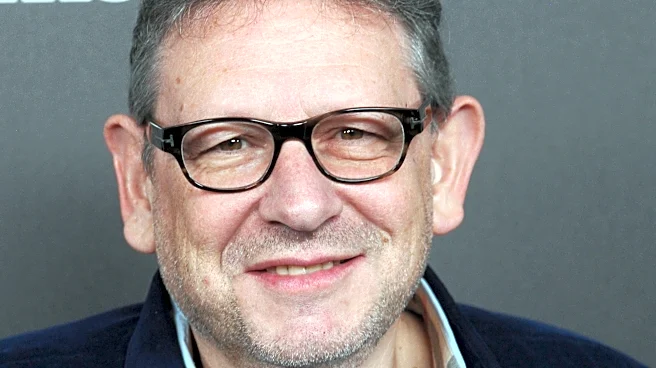
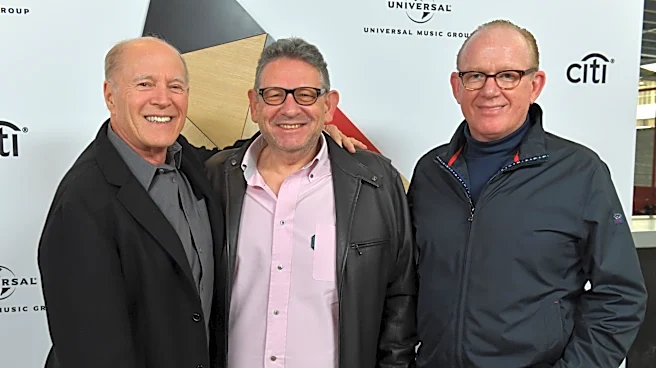
Tidal's new policy marks a significant stance in the ongoing debate within the music industry regarding artificial intelligence. This decision aims to protect human artists and ensure that authentic music remains discoverable, preventing it from being 'buried' by a flood of AI-generated content. The move aligns with sentiments expressed by industry leaders, such as Universal Music Group CEO Lucian Grainge, who advocated for lower payouts for AI-generated tracks to disincentivize 'industrial scale content production' that degrades the fan experience and diverts value from human creators. By removing the profit motive for wholly AI-generated music, Tidal is attempting to safeguard the integrity of its platform and the revenue streams for human artists. This could set a precedent for other streaming services, potentially influencing broader industry standards on AI content regulation and artist compensation.
What's Next?
The implementation of Tidal's ban on December 9 will likely lead to a reduction in the volume of wholly AI-generated music on its platform. Distributors will need to adjust their submission processes to comply with Tidal's new metadata requirements and content policies. Other streaming services, including major players like Spotify and Apple Music, will be closely watching the impact of Tidal's stringent approach. This could prompt them to re-evaluate their own policies regarding AI-generated music, potentially leading to more widespread industry changes. Artists and industry organizations will likely continue to advocate for clearer guidelines and compensation models for AI-assisted and AI-generated content, further shaping the future landscape of music distribution and creation.
Beyond the Headlines
Tidal's ban highlights a deeper ethical and economic challenge facing the creative industries in the age of AI. The influx of AI-generated content raises questions about intellectual property, artistic authenticity, and fair compensation for human creators. The concern that AI 'slop' degrades the fan experience points to a potential devaluation of music as an art form when quantity overwhelms quality. This development could spark broader discussions about the role of AI in creative fields, the definition of 'art,' and the responsibility of platforms to curate content that supports human ingenuity. It also underscores the tension between technological advancement and the preservation of human artistic value, potentially leading to new legal frameworks and industry standards for AI-generated works across various creative sectors.