






What's Happening?
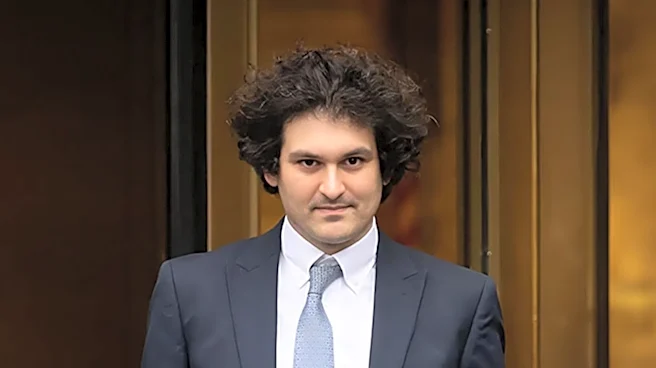
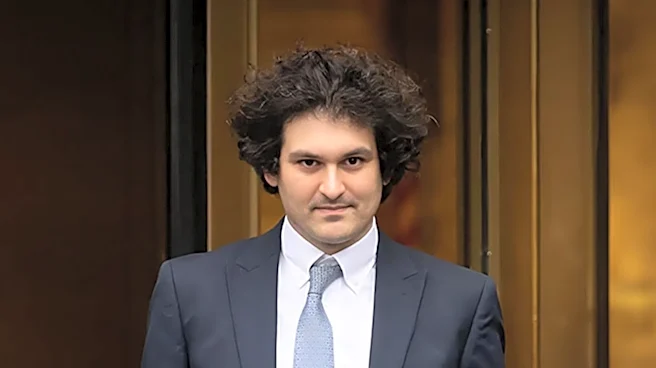
Third Point, the hedge fund managed by Dan Loeb, is reintroducing late-stage private company investments into its main hedge fund. This move follows an extended pause initiated after significant losses from a venture into Sam Bankman-Fried’s crypto exchange,
FTX. According to a client letter reviewed by The Wall Street Journal, the firm had halted new private bets in its flagship fund after the FTX collapse in 2022, which resulted in a roughly $60 million loss and contributed to a nearly 22% drop in the fund that year. To mitigate future risks, Third Point has implemented a more stringent underwriting framework, integrating senior professionals from its ventures, equity, and credit teams. Hedge fund clients have until mid-next month to opt into this renewed strategy through a dedicated side pocket, originally established in 2021. Loeb has reportedly highlighted a promising fintech deal as an immediate target for the firm.
Why It's Important?
This strategic shift by Third Point signals a formal recovery and a renewed confidence in the late-stage private investment market, despite past setbacks. The decision to re-engage in these deals, particularly after the substantial losses incurred from FTX, indicates a calculated risk assessment and a belief in the potential for attractive growth-stage opportunities. For investors, this could mean access to high-growth private companies that might otherwise be inaccessible through public markets. The firm's emphasis on a more disciplined underwriting framework suggests a lesson learned from previous experiences, potentially setting a new standard for how hedge funds approach such volatile investments. The success or failure of this renewed strategy could influence other hedge funds' willingness to allocate capital to private markets, impacting the broader landscape of venture capital funding and the growth trajectories of emerging companies.
What's Next?
Third Point's hedge fund clients have a limited window, until mid-next month, to decide whether to opt into the renewed private investment strategy. The firm is actively targeting new deals, with a promising fintech opportunity already identified. Outside its main hedge fund, Third Point has already been quietly re-engaging in private dealmaking for nearly two years through separate capital pools for insurers and institutional clients. These non-flagship private portfolios, fueled by pre-IPO stakes in AI developers like Anthropic and xAI, have generated significant returns, which may serve as a positive indicator for the flagship fund's future performance. However, Loeb is also exercising caution regarding public artificial intelligence equities due to mounting capital expenditure scrutiny, suggesting a selective approach to technology investments moving forward.
Beyond the Headlines
The re-entry of a major hedge fund like Third Point into late-stage private investments, particularly after a high-profile failure like FTX, highlights the ongoing allure and inherent risks of private markets. This move could reflect a broader trend among institutional investors seeking higher returns in less liquid assets, especially in a market where public equity valuations are under scrutiny. The implementation of a more disciplined underwriting framework suggests an evolution in risk management practices within the hedge fund industry, potentially leading to more robust due diligence for private deals. This development also underscores the increasing convergence between traditional hedge fund strategies and venture capital, as firms seek to leverage their networks and expertise across different asset classes. The long-term success of Third Point's renewed private investment strategy could influence capital allocation decisions across the financial sector, impacting the funding landscape for innovative companies and the risk appetite of sophisticated investors.