




What's Happening?
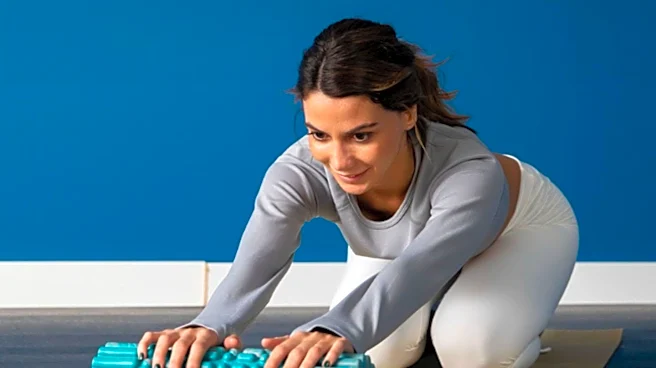
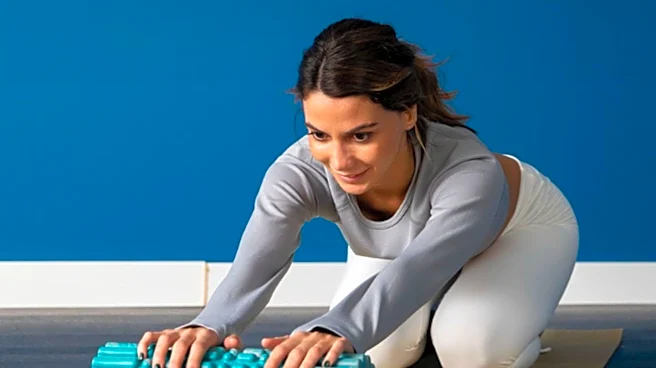
Foam rollers are being widely used for self-myofascial release (SMFR), a technique involving rhythmic rolling over large muscle groups. This practice aims to improve movement, reduce next-day soreness, and alleviate tightness in muscles. Unlike myofascial release therapy,
which involves a therapist applying sustained pressure, SMFR is a self-administered method. While foam rolling can provide a temporary sense of muscle relaxation and increased range of motion, it does not physically break up adhesions or knots in the tissue. The benefits are primarily related to how a muscle feels and how far a joint can move after a session. SMFR is particularly beneficial for individuals who find traditional foam rolling too painful or strenuous, desk workers with stiff necks and backs, and athletes seeking active recovery.
Why It's Important?
The increasing adoption of foam rollers for SMFR highlights a growing trend in self-care and recovery within the U.S. fitness and wellness industries. This accessible tool empowers individuals to manage muscle tightness and soreness independently, potentially reducing the need for frequent professional therapeutic interventions. For athletes and fitness enthusiasts, SMFR offers a convenient and cost-effective method for post-workout recovery, which can contribute to consistent training and injury prevention. The emphasis on self-management also impacts healthcare, as individuals may use SMFR as a first line of defense against minor muscle discomfort, potentially influencing demand for physical therapy and massage services. The convenience of foam rollers makes them a significant component of at-home wellness routines, catering to a broad demographic seeking improved mobility and reduced pain.
What's Next?
As awareness and accessibility of foam rollers continue to grow, it is expected that more individuals will incorporate SMFR into their daily routines. Research into the optimal duration, frequency, and specific techniques for foam rolling is ongoing, which may lead to more refined recommendations for users. The market for self-myofascial release tools, including foam rollers and therapy balls, is likely to expand with innovations in design and materials. Healthcare professionals may increasingly integrate SMFR into their patient education, recommending it as a complementary practice for managing chronic pain or improving mobility. The focus will remain on educating users about the proper application of SMFR to maximize benefits and avoid potential discomfort or injury.
Beyond the Headlines
The widespread use of foam rollers for SMFR reflects a broader cultural shift towards proactive health management and personal responsibility for well-being. This trend underscores the desire for immediate and accessible solutions to physical discomfort, often driven by demanding lifestyles and increased participation in physical activities. The distinction between SMFR and professional myofascial release therapy also raises questions about the boundaries of self-treatment versus expert intervention. While SMFR offers significant benefits for muscle maintenance, it is crucial for individuals to understand its limitations and when to seek professional medical advice, especially for persistent pain or injuries. This self-care movement could also influence product development in the fitness industry, leading to more specialized tools and educational resources for at-home recovery.