



What's Happening?
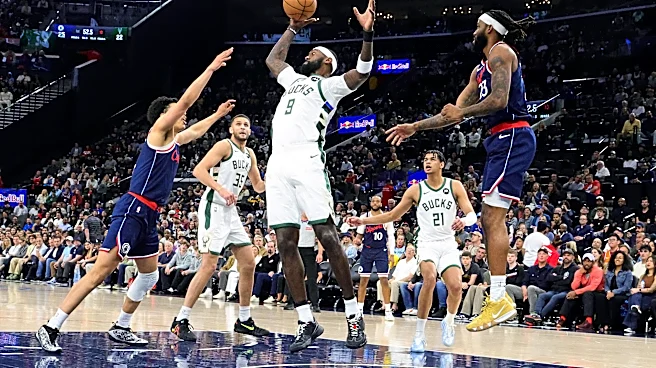
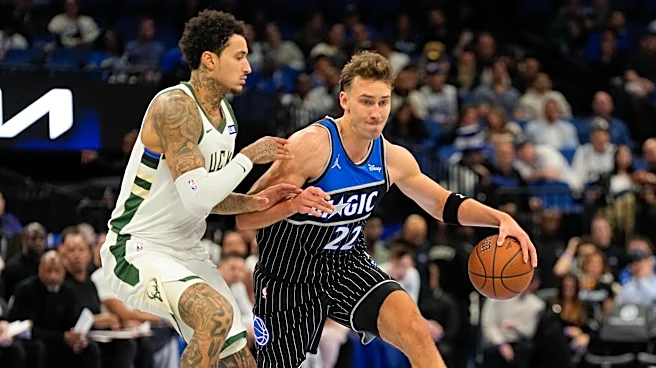
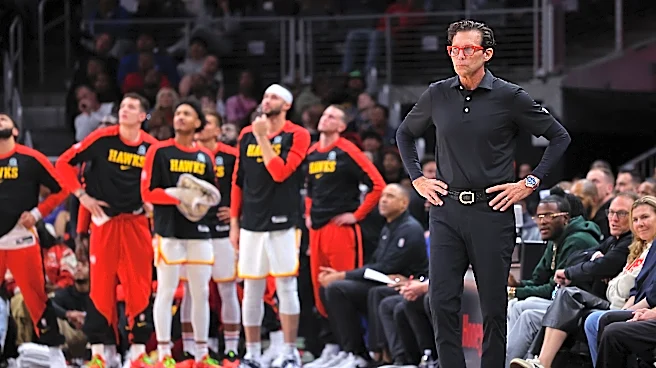
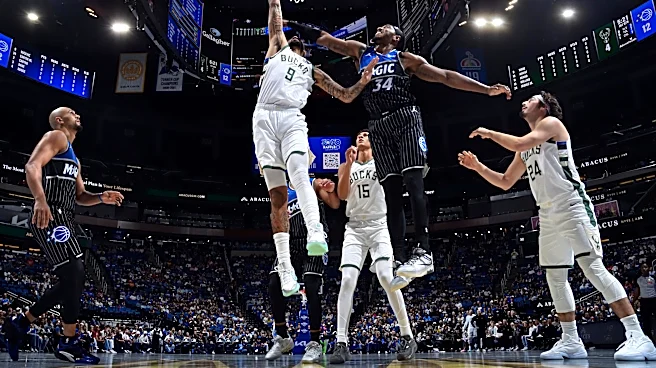
Atlanta Hawks head coach Quin Snyder has highlighted the importance of playing with 'force' and 'running' following two consecutive games where the team experienced slow starts and significant first-quarter deficits. In a recent game against the Milwaukee
Bucks, the Hawks trailed by as many as 22 points after a 37-18 first quarter, mirroring a similar struggle against the Chicago Bulls where they were down 33-24 after the first period. Snyder attributed these early struggles to a lack of force, which made it difficult for the Hawks to establish good offensive possessions and led to turnovers and defensive rebounding issues. Despite the slow start against the Bucks, the Hawks managed to recover, outscoring Milwaukee 37-16 in the second quarter and ultimately winning 113-106. Snyder specifically praised the second-quarter bench unit, particularly Corey Kispert, for providing a 'huge lift' and changing the game's momentum. Kispert contributed 14 points in 16 minutes, including key three-pointers that helped narrow the deficit.
Why It's Important?
Snyder's emphasis on 'forceful running' underscores a critical strategic adjustment for the Atlanta Hawks, particularly in addressing their recurring issue of slow starts. In the competitive NBA, falling behind by significant margins early in games, as the Hawks did with 22-point and 19-point deficits, places immense pressure on the team to execute flawless comebacks. This strategy aims to improve offensive flow by creating better ball movement and driving opportunities, which are essential for generating high-percentage shots and reducing turnovers. The success of the bench unit, led by players like Corey Kispert, in turning the tide against the Bucks demonstrates the potential impact of this approach. If the Hawks can consistently implement a more aggressive, running-based style from the outset, it could lead to more consistent performances, fewer early deficits, and a stronger competitive standing in the league. This strategic shift is crucial for the team's overall performance and its ability to contend against top-tier opponents.
What's Next?
The Atlanta Hawks will aim to integrate Coach Snyder's philosophy of 'forceful running' more consistently into their game plan, particularly in the opening quarters. The team's ability to maintain this aggressive, high-energy approach from tip-off will be a key focus in upcoming games. Snyder will likely continue to experiment with rotations, especially with the bench unit, to find combinations that can sustain the desired intensity and offensive flow. The performance of players like Corey Kispert, who proved instrumental in the comeback against the Bucks, will be closely monitored for their ability to provide consistent sparks. The Hawks' schedule includes upcoming games against Oklahoma City, Charlotte, and Detroit, which will serve as tests for their adjusted strategy. Success in these games will indicate whether the team can translate Snyder's directives into sustained on-court performance and avoid the early deficits that have plagued them recently.
Beyond the Headlines
The strategic shift towards 'forceful running' by Coach Snyder for the Atlanta Hawks highlights a broader trend in modern basketball, where pace and aggression are increasingly valued. This approach is not merely about physical exertion but also about mental fortitude and tactical discipline. The ability to maintain high intensity, both offensively and defensively, can wear down opponents and create scoring opportunities. The reliance on a strong bench unit, as seen in the comeback against the Bucks, also points to the growing importance of depth and versatility in NBA rosters. Teams that can effectively utilize their reserves to change the game's tempo and provide fresh energy often gain a significant advantage. This development reflects an evolution in coaching philosophies, moving towards dynamic, adaptable strategies that can respond to in-game challenges and maximize player potential across the entire roster, rather than solely relying on star players.