






What's Happening?
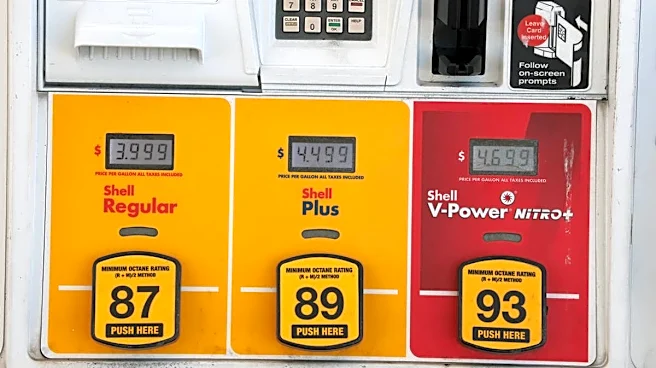
U.S. personal spending rose by 0.7% in May 2026, amounting to $156.1 billion, surpassing market expectations. The increase was driven by a $21 billion surge in spending on gasoline and other energy goods, influenced by soaring energy prices due to the Middle
East conflict. Additional spending gains were observed in recreational goods, motor vehicles, and nondurable goods. Spending on services also climbed, led by financial services, insurance, housing, utilities, and healthcare. Inflation-adjusted consumer spending increased by 0.3% in May.
Why It's Important?
The rise in U.S. personal spending reflects the resilience of consumer demand despite economic challenges such as rising energy prices. The increase in spending on goods and services indicates a robust consumer sector, which is a critical driver of economic growth. However, the surge in energy prices could pose inflationary pressures, affecting consumer purchasing power and overall economic stability. Policymakers and businesses will need to monitor these trends closely to address potential impacts on the economy and ensure sustainable growth.
What's Next?
As energy prices continue to influence consumer spending patterns, there may be increased focus on energy policy and measures to stabilize prices. The ongoing Middle East conflict and its impact on global energy markets will likely remain a key concern for policymakers and economic stakeholders. Businesses may need to adapt to changing consumer preferences and spending behaviors, potentially leading to shifts in marketing strategies and product offerings. The broader economic implications of rising personal spending and inflationary pressures will be closely watched by economists and financial analysts.