




What's Happening?
Tyson Foods Inc. is undergoing a significant restructuring of its beef operations, which includes closing two facilities and pursuing the sale of a third. The facilities being closed are the Joslin, Illinois, beef facility and the Eagle Mountain, Utah,
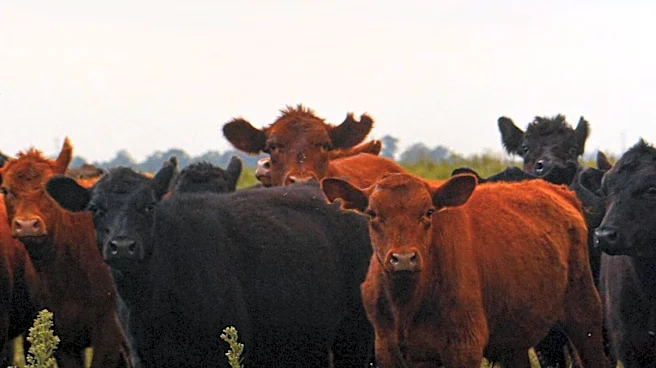
case-ready facility. Additionally, Tyson plans to sell its Pasco, Washington, beef plant. The company intends to transfer the capacity from these locations to its remaining central U.S. hubs in Dakota City, Nebraska; Holcomb, Kansas; and Amarillo, Texas. This strategic consolidation is a direct response to a historic cattle shortage, which has driven up livestock costs and led Tyson to widen its fiscal 2026 adjusted operating loss forecast for the beef segment to between $500 million and $650 million, an increase from its earlier estimate of $350 million to $500 million. The company also plans to restore a second shift at its Amarillo facility once cattle supplies improve. This follows an earlier closure of Tyson’s beef plant in Lexington, Nebraska, this year due to similar supply issues. Texas Agriculture Commissioner Sid Miller noted that U.S. cattle supplies are at a 75-year low due to prolonged Western drought and suspended imports from Mexico.
Why It's Important?
This restructuring by Tyson Foods highlights the severe impact of the ongoing cattle shortage on the U.S. meatpacking industry. As one of the largest processors, Tyson's decision to consolidate operations and widen its loss forecast signals significant challenges for the beef supply chain. The move could lead to job displacements in the affected regions of Illinois, Utah, and Washington, although Tyson has committed to assisting workers in finding positions at other facilities. The consolidation aims to create a more competitive footprint, but the immediate financial impact is negative, as evidenced by the increased operating loss forecast. The fact that major processors like Tyson, JBS NV, Cargill, and National Beef, which collectively process about 85% of the nation’s beef, were not beneficiaries of the Trump administration's $500 million payments to small- and medium-sized meatpacking firms, underscores a potential disparity in government support during industry crises. This situation could lead to higher beef prices for consumers and further strain on the broader agricultural sector, impacting ranchers and related businesses.
What's Next?
Tyson Foods will proceed with the closure of its Joslin, Illinois, and Eagle Mountain, Utah, facilities and actively seek a buyer for its Pasco, Washington, beef plant. The company will focus on integrating the transferred capacity into its remaining three central hubs, with an emphasis on restoring a second shift at the Amarillo facility as cattle supplies stabilize. The financial implications of the widened operating loss forecast will likely be closely monitored by investors and industry analysts. The U.S. Department of Agriculture (USDA) data on heifer retention and supply constraints will continue to be a critical indicator for the industry's recovery. Stakeholders, including employees, local communities, and cattle ranchers, will be watching for the long-term effects of these consolidations. The broader meatpacking industry may see further adjustments as companies grapple with the persistent cattle shortage and rising operational costs. The effectiveness of Tyson's consolidation strategy in mitigating losses and improving efficiency will be a key factor in its future performance.
Beyond the Headlines
The current situation in the U.S. beef industry, exemplified by Tyson Foods' restructuring, points to deeper systemic vulnerabilities within the agricultural supply chain. The historic cattle shortage, exacerbated by environmental factors like prolonged drought and geopolitical issues affecting imports, highlights the fragility of food production systems. This could trigger a reevaluation of national food security strategies and the resilience of domestic livestock farming. The disparity in government aid, where smaller firms received support while major processors did not, raises questions about equitable distribution of relief and its impact on market concentration. Furthermore, the consolidation of processing capacity into fewer, larger hubs could increase the risk of supply chain disruptions if any of these remaining facilities face operational issues. This trend might also intensify concerns about market power and competition within the meatpacking industry, potentially leading to increased scrutiny from regulatory bodies and consumer advocacy groups regarding pricing and supply practices.