








What's Happening?
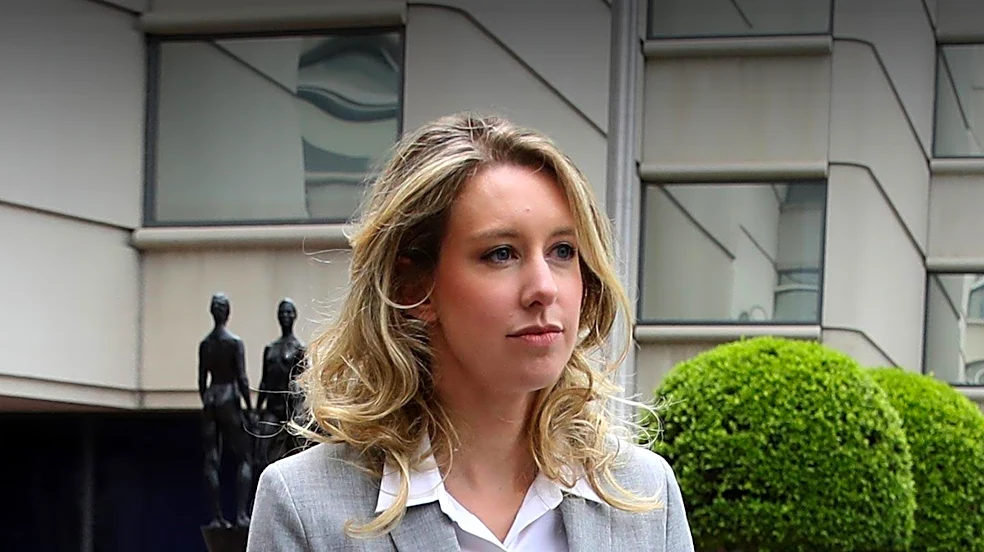
Nathan Fielder, known for his surreal and thought-provoking projects, has co-directed a new A24 documentary titled 'You Can See Everything.' The film focuses on Elizabeth Holmes, the former Theranos CEO and convicted fraudster, during the 34 days leading
up to her reporting to federal prison in Bryan, Texas, in May 2023. Fielder, along with co-director Lance Oppenheim, was granted complete access to Holmes and her husband, Billy Evans, in a rented home. The documentary is described as a two-part experience, with the first half covering Holmes's pre-prison period and the second half delving into Fielder's signature mind-bending style, exploring themes of truth and perception.
Why It's Important?
This documentary is significant as it offers an unprecedented look into the life of a highly scrutinized public figure, Elizabeth Holmes, during a pivotal moment. Fielder's involvement brings a unique lens to the narrative, challenging viewers to question the nature of truth and reality, a recurring theme in his work. The film's exploration of Holmes, a figure synonymous with bending the truth, through the perspective of a filmmaker who often blurs the lines between reality and artifice, creates a compelling and potentially unsettling viewing experience. It also highlights the evolving landscape of documentary filmmaking, where creators like Fielder push boundaries in how stories are told and perceived, impacting public discourse on complex legal and ethical issues.
What's Next?
Given its strong reviews and the critical acclaim for Fielder's previous works, 'You Can See Everything' is anticipated to be a major contender for awards, particularly in the Best Documentary Feature category. The film's unique approach to its subject matter is expected to spark considerable discussion and debate among audiences and critics regarding its portrayal of Holmes and its broader philosophical implications. Its release will likely further solidify Fielder's reputation as a groundbreaking filmmaker and continue to influence the style and substance of documentary storytelling. The film's success could also encourage more experimental approaches in the documentary genre, pushing the boundaries of what audiences expect from non-fiction cinema.
Beyond the Headlines
Beyond its immediate impact as a film, 'You Can See Everything' delves into deeper questions about media representation, public perception, and the human condition. By granting Fielder access, Holmes and Evans are presented in a more humanized light, potentially challenging preconceived notions about them. This raises ethical considerations about the responsibility of filmmakers when portraying controversial figures and the potential for such portrayals to influence public opinion. The documentary's meta-narrative, where Fielder himself becomes part of the story, further blurs the lines between observer and participant, prompting viewers to reflect on their own biases and interpretations of reality. It serves as a cultural artifact that examines the intersection of celebrity, crime, and the media's role in shaping narratives.