



What's Happening?
Rustic and farmhouse kitchen designs are increasingly influencing modern home aesthetics, largely due to their portrayal in popular films. These cinematic kitchens, often featured in movies by directors like Nancy Meyers, evoke a sense of history, comfort,
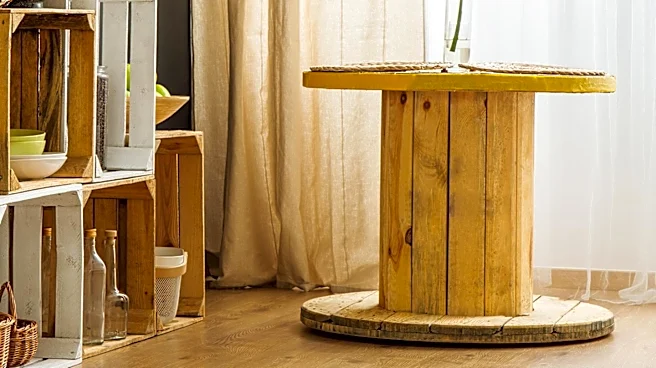
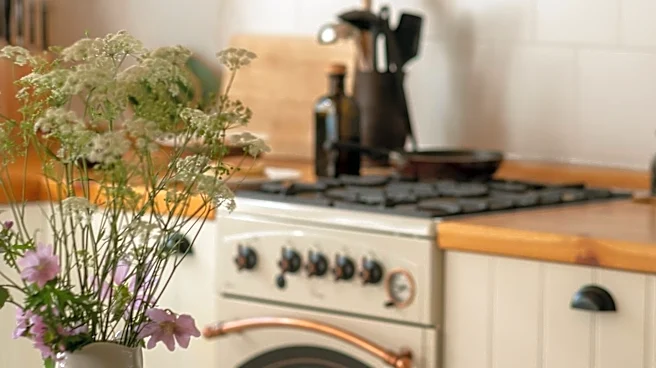
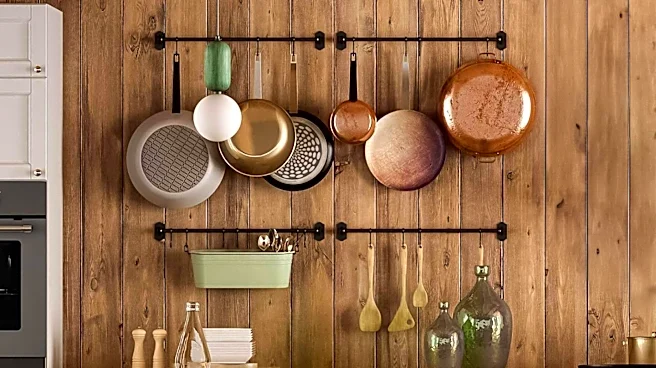
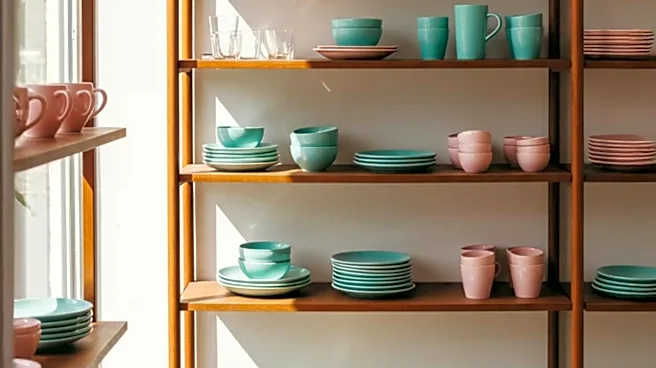
and warmth, making them highly appealing to homeowners. Elements such as wooden beams, exposed brick, stone surfaces, open shelving, and substantial dining tables contribute to this aesthetic, creating a connection to natural landscapes and a lived-in feel. The appeal lies in balancing these rustic features with contemporary conveniences to ensure functionality. Homeowners are drawing inspiration from these on-screen designs to incorporate natural materials, vintage-inspired lighting, and textured surfaces into their own kitchens, aiming for a blend of traditional charm and modern practicality. The trend emphasizes creating spaces that feel authentic and inviting, moving beyond purely functional areas to become central gathering points in a home.
Why It's Important?
The growing popularity of rustic and farmhouse kitchen styles signifies a broader shift in U.S. home design preferences towards comfort, authenticity, and a connection to nature. This trend impacts the interior design industry, influencing demand for specific materials like reclaimed wood, natural stone, and handcrafted metalwork. Manufacturers and retailers of home goods, from cabinetry to decorative accents, are adapting to meet this demand, offering products that align with the rustic aesthetic. For homeowners, this shift provides options for creating personalized spaces that reflect a desire for warmth and character, moving away from overly sleek or minimalist designs. It also highlights the significant role of media, particularly film, in shaping consumer tastes and driving design trends within the residential market, demonstrating how visual storytelling can translate into tangible market demands and lifestyle choices.
What's Next?
The continued influence of cinematic portrayals suggests that rustic and farmhouse styles will remain prominent in home design. We can anticipate further innovation in combining traditional rustic elements with smart home technology and sustainable materials, as homeowners seek both aesthetic appeal and modern functionality. Interior designers and architects will likely continue to integrate these styles, offering bespoke solutions that blend old-world charm with contemporary living. Manufacturers may also explore new product lines that offer a wider range of rustic-inspired finishes and textures, catering to diverse interpretations of the style. Additionally, as the trend evolves, there may be a move towards more personalized and less prescriptive interpretations of rustic design, allowing homeowners to incorporate elements that resonate with their individual tastes rather than adhering strictly to a defined style.
Beyond the Headlines
Beyond the immediate design trends, the embrace of rustic and farmhouse aesthetics reflects a deeper cultural yearning for simplicity, nostalgia, and a sense of grounding in an increasingly fast-paced and digital world. These styles often evoke a connection to heritage, craftsmanship, and a slower pace of life, offering a psychological comfort that extends beyond mere visual appeal. The emphasis on natural materials and handcrafted elements also aligns with growing environmental consciousness, as consumers seek sustainable and durable options for their homes. This trend could signify a broader societal movement towards valuing authenticity and longevity over fleeting trends, influencing not just interior design but also consumer choices in other lifestyle areas, such as fashion, food, and travel, where experiences rooted in tradition and nature are increasingly sought after.