





What's Happening?
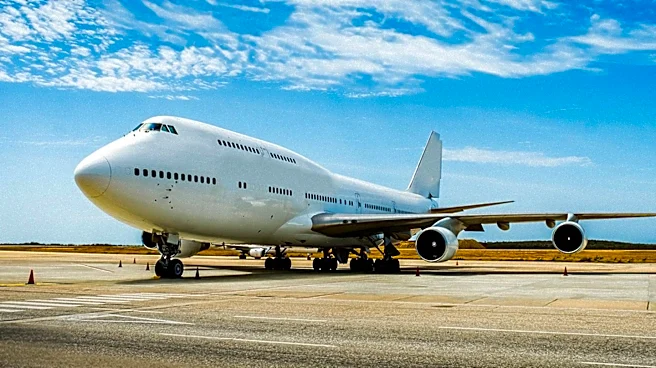
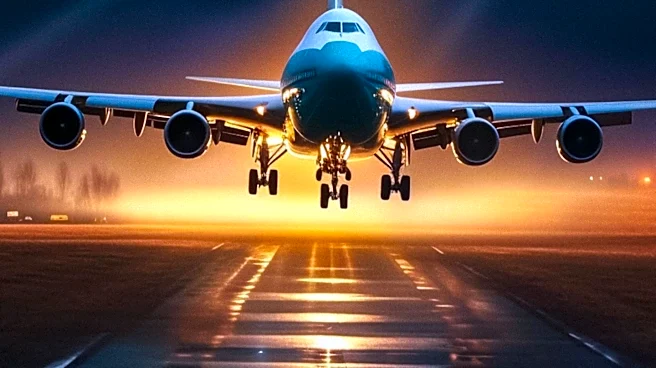
Boeing has reported a larger-than-expected loss for the second quarter of 2026, primarily due to the costs associated with its long-delayed Air Force One program. The company took a $280 million loss on the program, which involves delivering two 747s
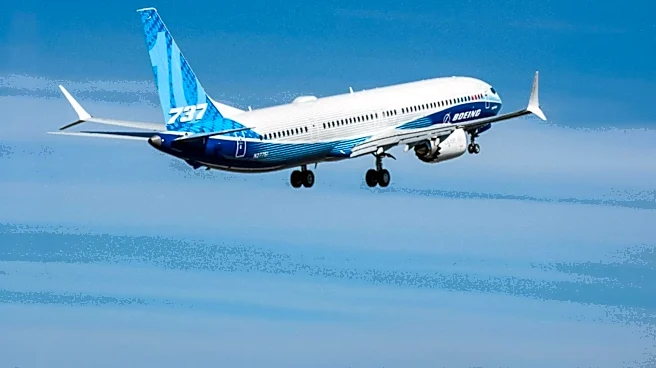
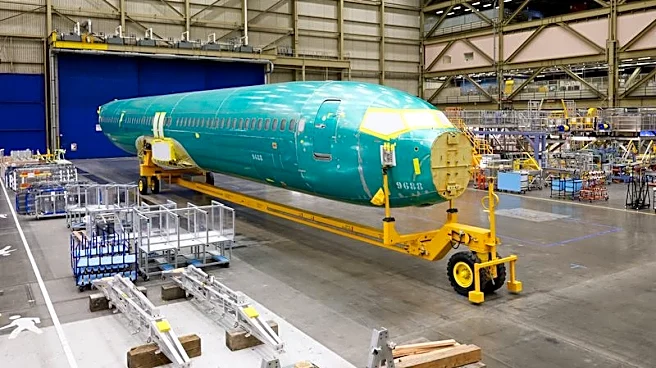
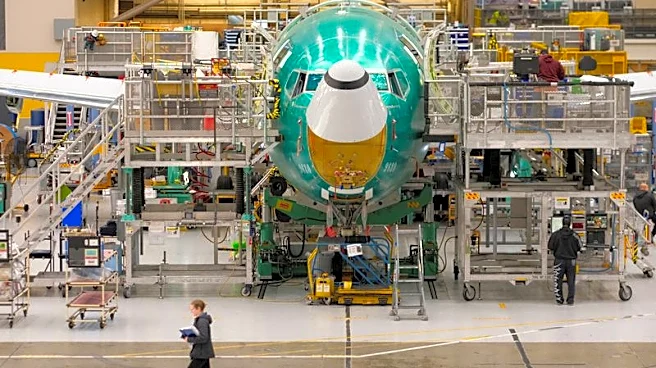
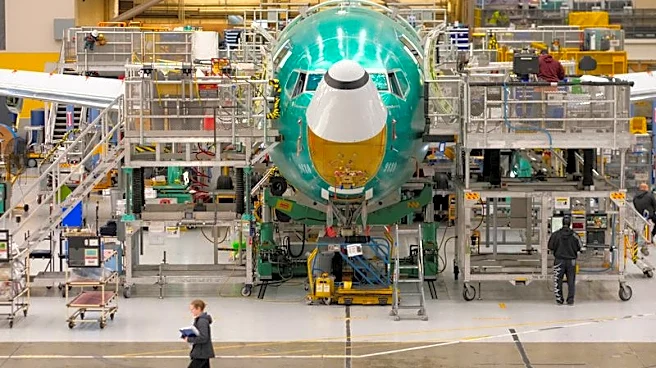
to serve as the next-generation Air Force One aircraft for the U.S. government. Despite these challenges, Boeing's revenue increased by 8% to $24.56 billion, driven by gains across its businesses, including a 14% rise in commercial aircraft deliveries. The company is ramping up production of its 737 Max airplanes and expects the first delivery of the new Air Force One in 2028.
Why It's Important?
The financial performance of Boeing is significant as it is a major U.S. exporter and a key player in the aerospace industry. The losses from the Air Force One program highlight the challenges Boeing faces in managing large-scale government contracts. The increase in revenue and aircraft deliveries, however, indicates a positive trend in Boeing's commercial operations, which could bolster its financial stability. The company's ability to manage these dual aspects—government contracts and commercial sales—will be crucial for its long-term success and competitiveness in the aerospace sector.
What's Next?
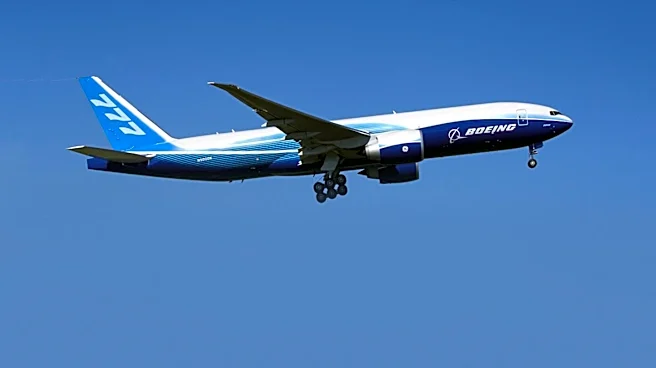
Boeing plans to increase resources to ensure the timely delivery of the Air Force One aircraft. The company is also focusing on certifying other delayed aircraft programs, such as the 737 Max 7 and the 777X. These efforts are part of Boeing's strategy to improve its competitiveness and financial performance in the second half of the year. The upcoming analyst call may provide further insights into Boeing's plans and the challenges it faces.