





What's Happening?
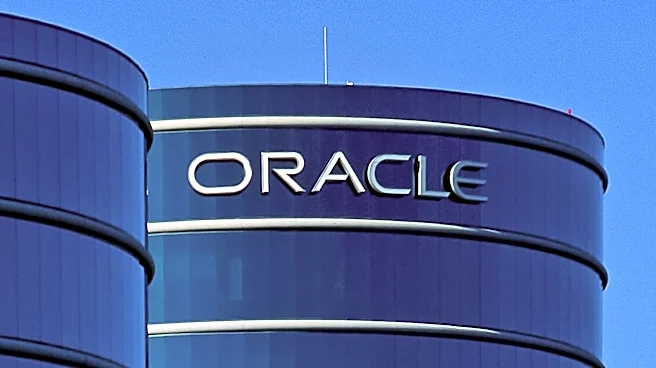
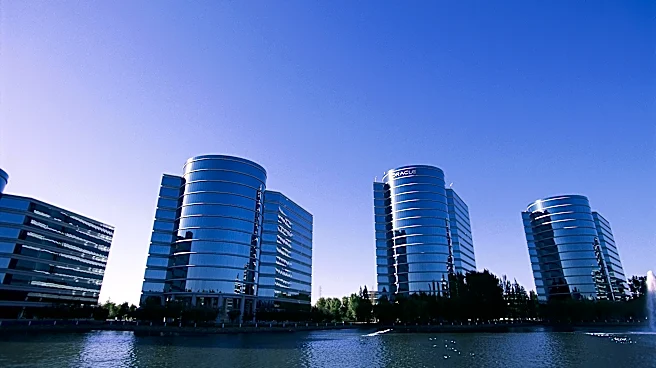
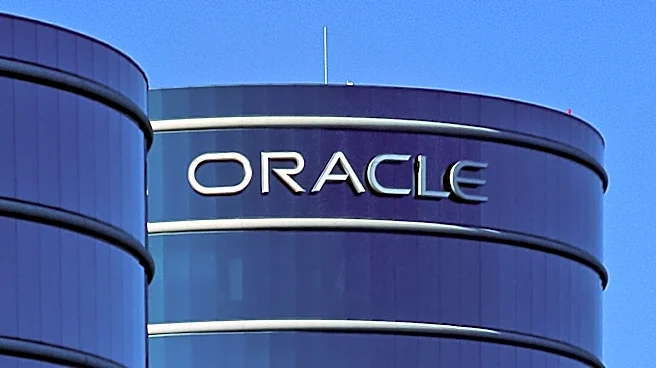
Billionaire investor David Tepper, founder and president of Appaloosa Management, has established a new position in Oracle Corp. (ORCL), acquiring 1,253,932 shares valued at $172.16 million as of September 30. This move comes as Oracle faces scrutiny
over its aggressive, debt-fueled AI data center expansion. Critics, including investor Michael Burry, have raised alarms regarding Oracle's financial strategy, noting that its capital expenditures in fiscal Q1 2027 reached $28.5 billion, surpassing its operating cash flow of $23.1 billion, resulting in a negative free cash flow of $5.4 billion. Oracle's total debt is approximately $125 billion, and interest expenses have increased by 55%. Despite these concerns, Tepper's investment aligns with his contrarian philosophy of finding value in distressed situations, a strategy he has successfully employed throughout his career, including during the 2009 financial crisis.
Why It's Important?
Tepper's significant investment in Oracle signals a potential contrarian view on the company's financial health and future prospects, particularly in the AI sector. His decision to buy into Oracle despite widespread Wall Street concerns about its debt-fueled expansion could influence other investors to re-evaluate their positions. Oracle's substantial investment in AI data centers is a key factor in its growth strategy, aiming to capitalize on the booming artificial intelligence market. If Tepper's bet proves successful, it could validate Oracle's aggressive capital expenditure strategy and potentially shift market sentiment. Conversely, if Oracle's debt issues intensify, it could lead to further financial strain and impact its ability to compete effectively in the AI infrastructure space. This investment highlights the ongoing debate among investors regarding the balance between aggressive growth strategies and financial prudence in the rapidly evolving tech landscape.
What's Next?
The market will closely watch Oracle's financial performance in upcoming quarters, particularly its ability to generate positive free cash flow, which is not anticipated until late fiscal 2028. Investors will also monitor the progress and profitability of Oracle's AI data center buildout. Tepper's continued holding or adjustment of his Oracle stake in future filings will provide further insight into his conviction. The broader implications for the tech sector include a potential re-evaluation of companies pursuing aggressive, debt-financed growth in AI infrastructure. Other hedge funds and institutional investors may either follow Tepper's lead, seeking undervalued opportunities in companies with perceived financial risks, or double down on their cautious stance, awaiting clearer signs of financial stability from Oracle.
Beyond the Headlines
Tepper's investment in Oracle underscores a fundamental tension in modern finance: the pursuit of long-term growth through significant capital investment versus short-term financial metrics and debt concerns. This move could be seen as a vote of confidence in the long-term potential of AI infrastructure, even if it comes with considerable near-term financial risk. It also highlights the role of influential investors like Tepper in shaping market narratives and challenging conventional wisdom. The ethical dimension involves the responsibility of corporations to manage debt prudently while pursuing innovation, and the potential systemic risks if large-scale debt-fueled expansions in critical sectors like AI falter. This situation could also spark broader discussions about how financial markets value future growth potential against current financial health, especially in rapidly evolving technological fields.