






What's Happening?
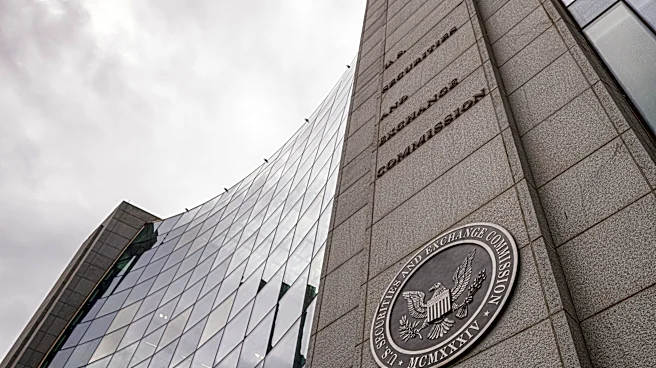
The U.S. Securities and Exchange Commission (SEC) announced on October 20, 2026, that it will resume processing registration applications from French asset management companies supervised by France’s Autorité des Marchés Financiers (AMF). This decision
follows the signing of a new supervisory Memorandum of Understanding (MOU) between the SEC and the AMF on October 19, 2026. The MOU specifically covers management companies for undertakings for collective investment in transferable securities (UCITS) and alternative investment funds (AIFs). The agreement provides assurances from France that its secrecy and blocking laws will not impede cooperation and access to records as outlined in the MOU. In exchange for SEC registration, French asset managers may face increased scrutiny, including direct record requests from the SEC, coordinated oversight with the AMF, and potential in-person SEC examinations conducted in France. The MOU clarifies that both regulators can access records and conduct on-site visits, with specific protocols for coordination and information exchange.
Why It's Important?
This MOU is significant for the U.S. financial market as it re-establishes a clear pathway for French asset managers to register and operate within the U.S., potentially increasing the diversity of investment products available to U.S. investors. For French firms, it opens access to the substantial U.S. market, fostering cross-border financial activity. The agreement also enhances regulatory oversight by allowing the SEC greater access to information and the ability to conduct examinations of French firms operating in the U.S., which could improve investor protection and market integrity. The reciprocal nature of the agreement also benefits the AMF in its oversight of U.S. firms operating in France. This increased cooperation aims to mitigate regulatory arbitrage and ensure consistent standards across jurisdictions, particularly in areas like conflicts of interest and fiduciary duties. The agreement also addresses data privacy concerns, requiring firms to comply with GDPR when transferring personal data to the SEC.
What's Next?
French asset managers seeking to register with the SEC will now proceed with their applications, adhering to all U.S. regulatory requirements. These firms, as well as U.S. advisers with French affiliates, should prepare for potential increased regulatory scrutiny, including coordinated examinations by both the SEC and AMF. Firms will need to ensure their data transfer protocols comply with GDPR and other applicable privacy laws when providing information directly to the SEC. The MOU is effective immediately and will facilitate ongoing informal staff consultations, written requests for information, and expedited contact during emergencies. While the MOU does not alter substantive U.S. rules, it establishes a framework for enhanced supervisory cooperation, which could lead to more consistent enforcement and oversight of cross-border asset management activities. The agreement is terminable on 30 days' written notice, but protections for pending assistance and confidentiality will survive termination.
Beyond the Headlines
The SEC-AMF MOU highlights a broader trend towards increased international regulatory cooperation in the financial sector, driven by the globalization of financial markets and the need to address systemic risks. This agreement could serve as a template for similar MOUs with other European financial regulators, further integrating global financial oversight. The emphasis on direct access to records and on-site examinations reflects a growing recognition that traditional information-sharing mechanisms may be insufficient for effective supervision in a complex, interconnected financial landscape. The careful navigation of data privacy regulations, particularly GDPR, in such agreements underscores the ongoing challenge of reconciling national data protection laws with international regulatory demands. This development also signals a move towards more proactive and intrusive oversight of foreign entities operating in domestic markets, aiming to prevent regulatory gaps and protect investors in an increasingly borderless financial world.