







What's Happening?
Toshisuke Kanazawa, a 90-year-old Japanese bodybuilder and 19-time national title winner in the 85+ category, continues to train six days a week for two hours per session. He attributes his sustained strength and top physical condition to three core rules.
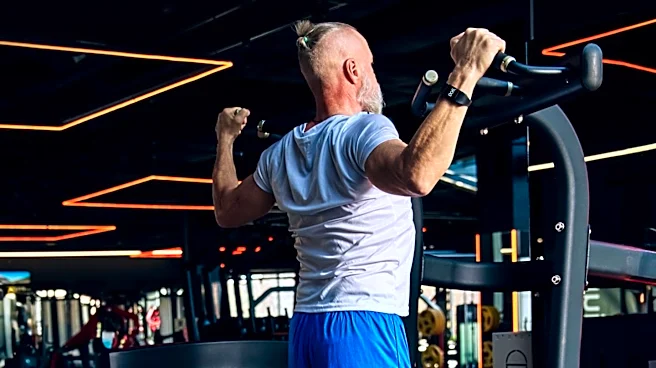
First, he prioritizes recovery, allowing longer rest periods between sets due to slower recovery times with age. Second, he aims for seven hours of quality sleep nightly, recognizing its crucial role in health, cognitive function, and reducing accelerated biological aging. Third, Kanazawa emphasizes training for the body he has today, which means gradually transitioning from free weights to resistance machines. This shift reduces strain on joints, connective tissues, and stabilizing muscles, allowing him to train hard while minimizing injury risk. He states, 'I do what's best for me and my body at this age,' highlighting an adaptive approach to fitness.
Why It's Important?
Kanazawa's approach to fitness offers a valuable model for healthy aging, demonstrating that sustained physical activity and strength are achievable well into advanced age. His rules emphasize adaptability, recovery, and listening to one's body, which are critical for preventing injuries and maintaining consistency over decades. This perspective challenges the notion that intense physical training is only for the young, promoting a more inclusive view of fitness. For an aging population, these principles can guide individuals in developing sustainable exercise routines that enhance quality of life, maintain independence, and potentially reduce healthcare costs associated with age-related physical decline. His example underscores the importance of long-term commitment to health, rather than short-term, high-intensity bursts.
Beyond the Headlines
Kanazawa's dedication to bodybuilding at 90 transcends mere physical fitness; it speaks to the power of discipline, self-awareness, and a growth mindset throughout life. His ability to adapt his training methods as his body changes reflects a profound understanding of personal limits and capabilities, a lesson applicable to various aspects of aging. This story also subtly highlights the cultural value placed on longevity and active living in some societies. Beyond the gym, his commitment to sleep and recovery underscores the often-underestimated importance of these factors in overall health, suggesting that true well-being is a holistic endeavor that extends beyond just exercise. His journey serves as an inspiration, demonstrating that age need not be a barrier to pursuing passions and maintaining a high level of physical and mental engagement.