



What's Happening?
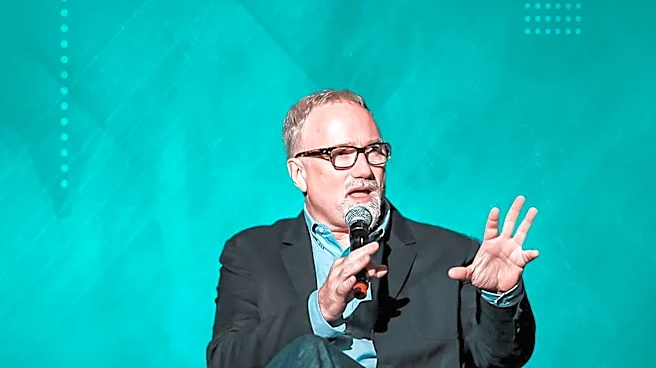
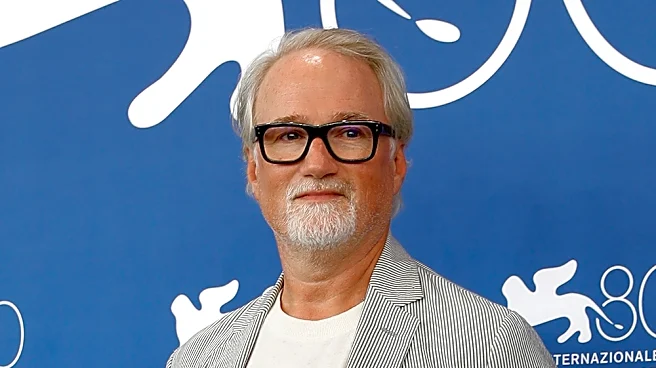
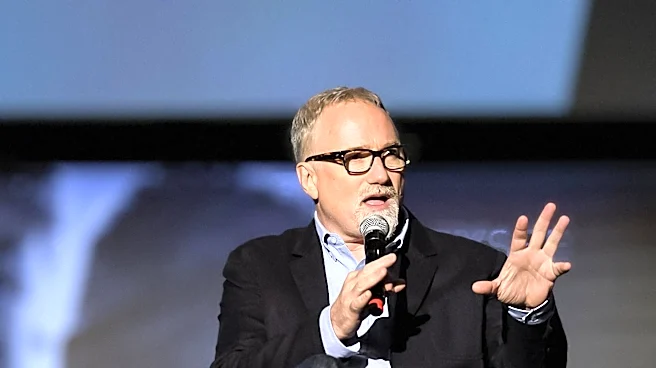
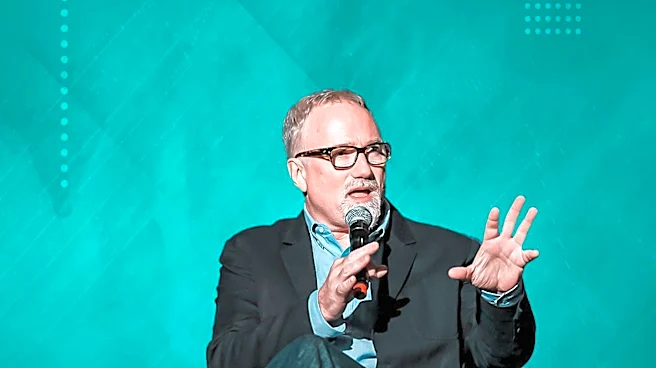
Filmmaker David Fincher, 64, has indicated that his latest movie, 'Cliff Booth,' could potentially be his last. Speaking on The Big Picture podcast, Fincher expressed a shift in his priorities and a decrease in patience for the current filmmaking process.
He criticized the industrialization of movie-making, describing it as a 'conveyor belt assembly line' that requires populating the storytelling space with too many people. Fincher also mentioned the physical toll of long workdays, recalling 12-hour shifts on 'Cliff Booth' where he and Brad Pitt, also feeling their age, were among those ready to conclude filming. His comments suggest a growing weariness with the logistical and physical demands of traditional film production.
Why It's Important?
David Fincher's contemplation of retirement highlights significant challenges within the contemporary film industry, particularly for established directors. His critique of the 'industrialized' filmmaking process underscores a tension between artistic vision and the commercial demands of large-scale productions. This perspective from a director of his caliber could prompt broader discussions about sustainable production models and the well-being of film crews. Furthermore, his openness to artificial intelligence (AI) as a tool to streamline production and reduce arduous tasks suggests a potential future direction for filmmaking, where technology might alleviate some of the burdens he describes. This could impact how studios approach film production, potentially leading to increased adoption of AI to retain experienced talent and improve efficiency.
What's Next?
Fincher's comments suggest a potential shift in his approach to filmmaking, possibly embracing new technologies like AI to make the process less cumbersome. While he has not definitively stated 'Cliff Booth' will be his last film, his willingness to consider AI for tasks like generating additional camera coverage indicates a desire for more efficient and less physically demanding production methods. This could lead to further experimentation with AI in his future projects, potentially influencing other filmmakers to explore similar avenues. The industry may also face increased pressure to re-evaluate its production schedules and working conditions to retain veteran talent, especially if more prominent figures voice similar concerns about the current 'industrialized' model.
Beyond the Headlines
Fincher's reflections on his diminishing patience and the 'industrialized' nature of filmmaking touch upon deeper ethical and creative implications for the industry. His desire to reduce the physical and logistical burdens of production, potentially through AI, raises questions about the future role of human labor in filmmaking and the balance between technological efficiency and artistic integrity. If AI can indeed streamline production, it could democratize access to filmmaking tools or, conversely, lead to job displacement in certain areas. Moreover, his emphasis on 'photographing the actors' as the core of filmmaking, and his view that anything else is 'time not very well spent,' underscores a fundamental debate about what constitutes authentic storytelling in an increasingly technology-driven world. This perspective could influence how future generations of filmmakers prioritize resources and creative efforts.