


What's Happening?
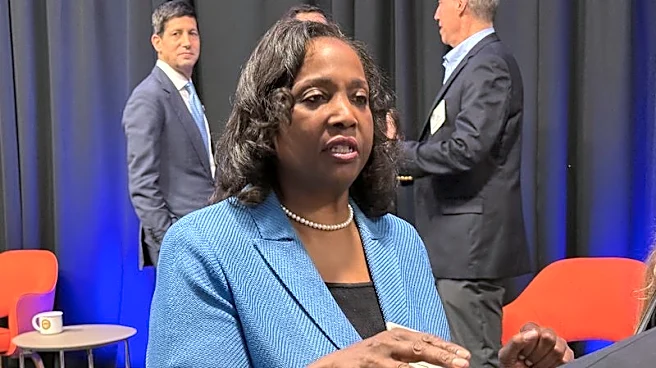
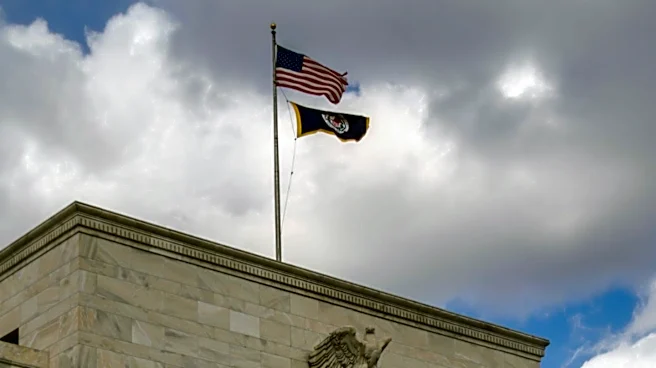
Dallas Federal Reserve President Lorie Logan has stated that the current policy rate remains at least 50 basis points below what she considers a modestly restrictive level. According to Logan, the real federal funds rate is estimated at just 0.78%. She
maintains that at least two more quarter-point interest rate hikes are necessary in the coming months. Logan also indicated the potential for the Federal Reserve to accelerate the pace of monetary tightening if inflation pressures persist. Her remarks follow recent data, including a hotter-than-expected U.S. core inflation report for October, which showed a 0.3% increase for the third consecutive month. This data has reinforced concerns among Fed officials that progress in returning inflation to the 2% target is not only stalling but potentially reversing, leading to a more aggressive stance from some policymakers.
Why It's Important?
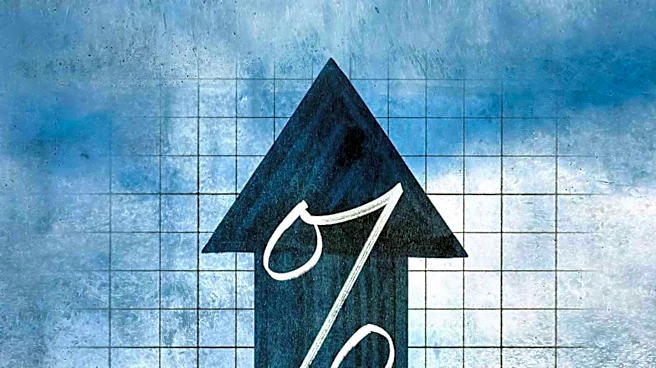
Lorie Logan's hawkish stance, alongside similar sentiments from other Federal Reserve officials, signals a potential shift towards a more aggressive monetary policy. This could lead to higher borrowing costs for consumers and businesses across the U.S., impacting mortgages, credit cards, and other forms of lending. The financial markets have already begun to price in a greater likelihood of interest rates remaining higher for longer, with the one-year Fed funds OIS rate climbing significantly. This environment could benefit savers through higher returns on deposits but could pose challenges for sectors reliant on borrowing, such as real estate and certain industries with high capital expenditures. The Federal Reserve's credibility in fighting inflation is also at stake, as officials aim to prevent a reversal of disinflationary trends observed earlier in the year.
What's Next?
The Federal Reserve's next steps will be closely watched by financial markets and the public. With officials like Lorie Logan advocating for further rate hikes, there is an increased probability of a 25-basis-point hike being fully implemented at upcoming meetings, with a non-negligible chance of a 50-basis-point move. The market is also anticipating additional tightening in the subsequent months, suggesting a strong possibility of back-to-back rate increases. The upcoming producer price report and the core PCE inflation reading will be critical in shaping the Fed's decisions. Policymakers will need to follow through with action to preserve the tightening in financial conditions that has already occurred, rather than relying solely on verbal interventions to manage market expectations.
Beyond the Headlines
The persistent inflation and the Federal Reserve's response highlight a broader economic challenge. The spread of rising costs beyond initial shocks like tariffs and energy prices into the wider economy suggests a more entrenched inflationary environment. This situation could lead to a prolonged period of higher interest rates, potentially impacting economic growth and employment. The debate among Fed officials also underscores the complexity of monetary policy in a dynamic economic landscape, where balancing inflation control with economic stability is a delicate act. The long-term implications could include a re-evaluation of investment strategies, consumer spending habits, and the overall cost of capital for businesses, potentially leading to a more conservative financial environment.