






What's Happening?
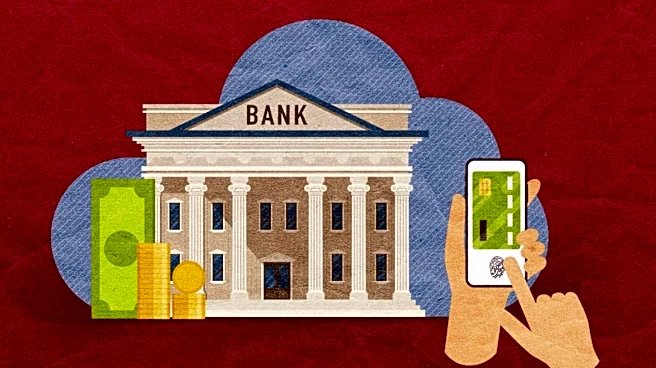
Consumers are increasingly evaluating their checking account options, weighing the benefits of online banks against traditional brick-and-mortar institutions. Online banks typically offer lower fees, higher interest rates, and advanced mobile apps due
to their reduced overhead from not maintaining physical branches. Popular online options like Capital One 360, SoFi, and Chime are frequently cited for their fee-free structures and digital convenience. In contrast, traditional banks, such as Chase, provide the advantage of physical branches for in-person services like cash deposits and face-to-face problem-solving, though they often come with monthly fees that can be waived under certain conditions. Many individuals are adopting a hybrid approach, using an online account for daily spending and bills while maintaining a smaller account at a local bank or credit union for cash needs and personalized assistance. Credit unions offer a middle ground, often combining lower fees with local branches and community-focused service.
Why It's Important?
The choice of checking account significantly impacts an individual's financial health and daily money management. Opting for an online bank can lead to substantial savings on fees and potentially higher interest earnings, freeing up more disposable income. Conversely, relying solely on online banking might pose challenges for those who frequently handle cash or prefer in-person support for complex issues. For traditional banks, the competition from online platforms necessitates a re-evaluation of their fee structures and digital service offerings to remain competitive. The trend towards hybrid banking models reflects a consumer desire for both digital efficiency and the security of traditional services, influencing how financial institutions design and market their products. This evolving landscape underscores the importance of consumers carefully assessing their personal banking habits and needs to select the most suitable financial solutions.
What's Next?
The banking industry will likely continue to see a diversification of checking account options, with both online and traditional banks refining their offerings to cater to varied consumer preferences. Online banks are expected to further enhance their app functionalities and potentially expand their ATM networks or cash deposit solutions through partnerships. Traditional banks may focus on differentiating their in-person services, transforming branches into advisory centers, and improving their digital platforms to offer a seamless omnichannel experience. Credit unions are also poised to grow, leveraging their community ties and often favorable fee structures. Consumers will need to remain vigilant about changing fee schedules and interest rates, regularly reviewing their banking choices to ensure they align with their financial goals. The trend of combining online and traditional banking services is expected to grow, as individuals seek to maximize benefits from both models.
Beyond the Headlines
Beyond the practical considerations of fees and convenience, the shift in checking account preferences reflects broader changes in consumer trust and financial literacy. The increasing comfort with digital-only financial interactions signifies a generational change, where digital security and app functionality are as important as, if not more than, physical presence. However, the importance of FDIC or NCUA insurance remains a critical, though often overlooked, factor in ensuring the safety of deposits, regardless of the banking model. The hybrid approach adopted by many consumers highlights a pragmatic desire to leverage the best of both worlds, suggesting that a purely digital or purely traditional banking future is less likely than a blended ecosystem. This evolution also challenges financial institutions to educate consumers on the nuances of different account types and to build trust in an increasingly complex and digital financial environment, ensuring that convenience does not come at the expense of financial security.