


What's Happening?
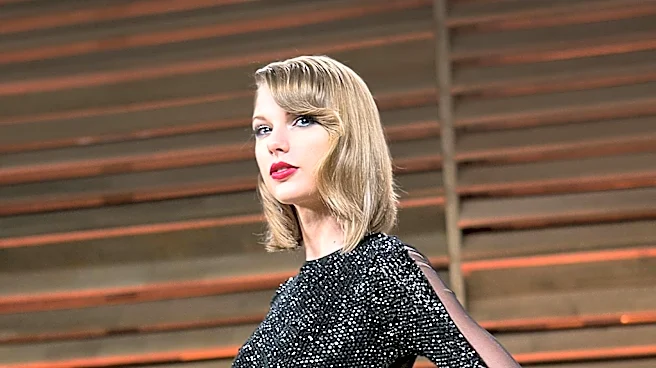
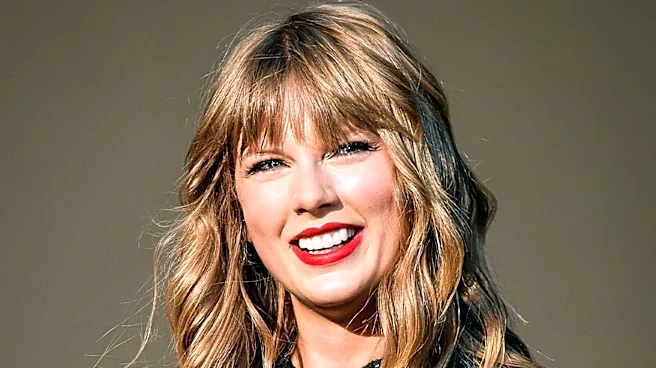
Vanity Fair has published a 4,000-word article titled 'The Mastermind,' written by May Jeong, which is widely understood to be about Taylor Swift, despite not naming her directly. The article refers to its subject as 'The Star,' born in 1989, and uses
other clear allusions to Swift, such as 'Miss Americana' and 'friendship bracelets.' The piece portrays 'The Star' as a 'controlling and manipulative' figure who has misrepresented her childhood and weaponizes her sense of victimhood. It draws on accounts from over 100 people, many using pseudonyms, to paint an unflattering picture of the pop superstar. The article has generated significant debate, with many fans and media members criticizing it as an 'unnecessary and oddly-conceived hit piece.' An insider close to Swift's circle claims that Vanity Fair will not be 'on Taylor's radar for the foreseeable future,' suggesting the magazine may be blacklisted.
Why It's Important?
This incident highlights the complex relationship between celebrity culture, media scrutiny, and public perception. For Vanity Fair, a publication known for its in-depth profiles, the backlash could impact its reputation and access to high-profile figures in the entertainment industry. If Swift, a global superstar with immense influence, indeed blacklists the magazine, it could set a precedent for how other celebrities respond to critical coverage, potentially leading to a more guarded approach from public figures towards certain media outlets. The debate also underscores the power of fan bases, particularly Swift's 'Swifties,' in shaping narratives and defending their idols against perceived attacks. This event could influence journalistic practices, particularly regarding the use of anonymous sources and the framing of celebrity profiles, as media outlets weigh the potential for controversy against the desire for critical analysis.
What's Next?
The immediate consequence for Vanity Fair is likely a strained relationship with Taylor Swift and her team, potentially leading to a lack of access for future stories or collaborations. The magazine may face continued criticism from Swift's fan base and other media commentators. For the entertainment industry, this event could prompt a re-evaluation of how celebrity profiles are conducted and received. Other celebrities might observe Swift's response and adjust their own engagement with media outlets, potentially becoming more selective about who they grant interviews or access to. The incident also raises questions about the long-term impact on Vanity Fair's standing within the entertainment journalism landscape, particularly if other public figures choose to distance themselves from the publication in solidarity with Swift or out of concern for similar critical treatment.
Beyond the Headlines
The controversy surrounding Vanity Fair's article delves into deeper implications concerning journalistic ethics, the nature of celebrity power, and the public's consumption of media. The use of pseudonyms for most sources, while common in investigative journalism, raises questions about accountability and the potential for biased narratives, especially when targeting a public figure. Furthermore, the article's portrayal of Swift as a 'mastermind' who manipulates her image and relationships touches on the broader cultural phenomenon of scrutinizing successful women in power. This incident could contribute to a larger discussion about the responsibility of media outlets to balance critical analysis with fair representation, and the ethical boundaries of reporting on the personal lives and public personas of celebrities. It also highlights the evolving dynamics of power between traditional media and influential individuals in the digital age.