





What's Happening?
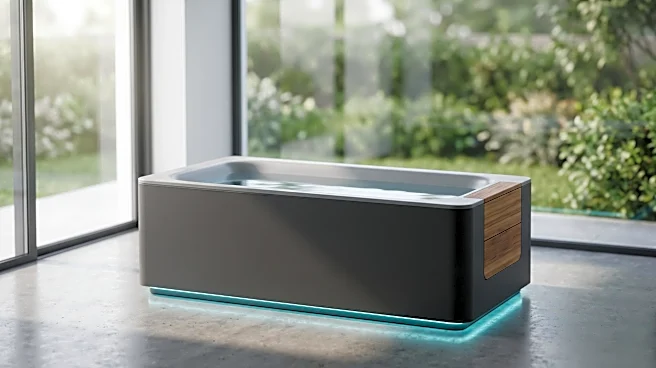
Hydro Systems has unveiled its next-generation Hydro Chill cold plunge system, integrating advanced hydrotherapy technology with smart home automation. This new system, along with its companion app, aims to set a new standard for control and efficiency
in cold water therapy for homeowners. The updated Hydro Chill allows users to program and personalize their wellness routines, offering remote control over power and temperature settings. A significant innovation is the Hydro Chill Ultra, a self-contained unit that provides both cold and hot water therapy using the same water, eliminating the need for an external hot water source. This feature enhances installation flexibility, making it suitable for various spaces, including remote wellness rooms or pool houses. The system also boasts faster cooling, improved energy efficiency, quieter operation, a more compact footprint, and simplified installation with an integrated recirculating pump and single-point connection. Additionally, it incorporates Hydro Ozone technology, utilizing ozone and UV light for water disinfection.
Why It's Important?
The introduction of Hydro Systems' advanced cold plunge systems signifies a growing trend in the U.S. wellness industry towards integrating sophisticated technology into home-based health solutions. This development caters to an increasing consumer demand for personalized and convenient wellness practices, particularly as more individuals invest in creating dedicated wellness spaces within their homes. The Hydro Chill Ultra's ability to provide both hot and cold therapy from a single unit addresses practical installation challenges and reduces waste, potentially making advanced hydrotherapy more accessible to a broader market. This innovation could influence the design and functionality of future home wellness products, pushing competitors to develop similar integrated and smart solutions. For consumers, it offers enhanced control and efficiency, allowing for seamless incorporation of cold water therapy, known for its benefits in recovery, circulation, and mental clarity, into daily routines. This shift reflects a broader societal emphasis on preventative healthcare and self-care, driving market growth for smart wellness devices.
What's Next?
Hydro Systems' next steps will likely involve widespread market adoption and distribution of the new Hydro Chill and Hydro Chill Ultra systems. The company will probably focus on marketing the integrated app controls, energy efficiency, and installation flexibility to appeal to homeowners and custom builders. We can anticipate increased competition in the smart home wellness sector, with other manufacturers potentially developing similar dual-therapy or app-controlled hydrotherapy solutions. The success of these systems could also lead to further innovations in smart wellness technology, such as enhanced biometric integration or AI-driven personalized therapy recommendations. Furthermore, as these products become more prevalent, there may be a greater emphasis on consumer education regarding the benefits and proper use of cold and hot water therapy, potentially leading to partnerships with health and wellness professionals. The market will also observe how the demand for eco-friendly and sustainable features, like the water-sharing mechanism in Hydro Chill Ultra, influences future product development.
Beyond the Headlines
The emergence of advanced smart cold plunge systems like Hydro Systems' Hydro Chill points to a deeper cultural shift towards self-optimization and the commodification of wellness within the home environment. This trend blurs the lines between luxury and necessity, as technologies once exclusive to spas or athletic facilities become accessible for personal use. The integration of smart home technology into hydrotherapy reflects a desire for seamless, data-driven control over personal health, potentially leading to a future where home environments are fully optimized for individual well-being. However, this also raises questions about digital dependency and the potential for technology to create new forms of pressure to constantly 'optimize' one's body. The emphasis on convenience and personalization could also widen the gap between those who can afford such advanced home wellness solutions and those who cannot, further stratifying access to health-enhancing technologies. Ethically, the promotion of such systems will need to balance the genuine health benefits with realistic expectations, ensuring that consumers understand these tools as complements to, rather than replacements for, holistic health practices.