




What's Happening?
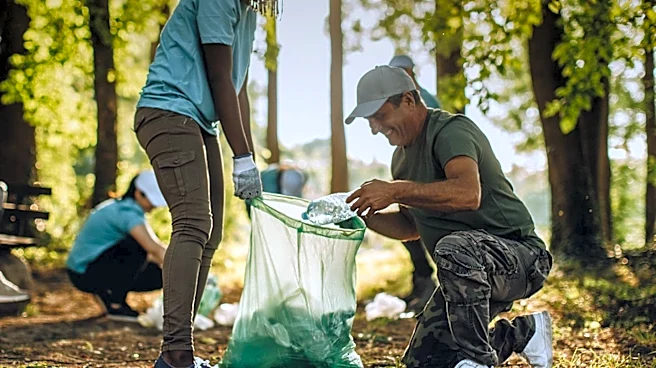
The City of Bellevue's Keep Bellevue Beautiful program has initiated '26 in '26,' an ambitious effort aimed at conducting 26 Signature Street cleanups throughout 2026. The program's core objective is to foster cleaner and more welcoming neighborhoods
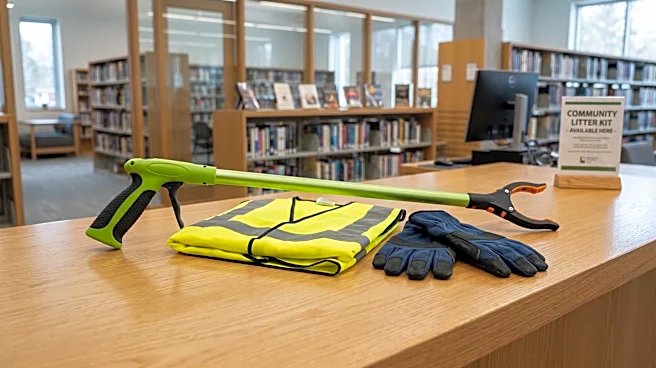
by consistently maintaining the city's streets. The next scheduled cleanup event is set for Saturday, November 7, from 9 AM to 11 AM, at Sammamish High School, located at 100 140th Ave SE in Bellevue, WA. Participants are encouraged to park near the intersection of 140th Ave SE and Main Street. The initiative welcomes all community members, regardless of prior experience, and will provide all necessary cleanup supplies, along with coffee and water. Registration is encouraged but not mandatory, with an online option available at CleanLakeHills.EventBrite.Com.
Why It's Important?
This initiative is important for several reasons, primarily focusing on community engagement and urban environmental quality. By organizing regular cleanups, the City of Bellevue aims to enhance the aesthetic appeal and cleanliness of its public spaces, which can positively impact residents' quality of life and civic pride. A cleaner environment often correlates with increased safety and a stronger sense of community ownership. Furthermore, such programs encourage volunteerism and direct citizen participation in local governance and community improvement. The '26 in '26' campaign also serves as a model for sustainable urban maintenance, demonstrating how consistent, community-led efforts can contribute to long-term environmental stewardship. This proactive approach to city beautification can also attract businesses and residents, contributing to the city's overall economic vitality and desirability.
What's Next?
Following the Lake Hills cleanup on November 7, the Keep Bellevue Beautiful program will continue to schedule and promote additional cleanup events throughout 2026 to meet its goal of 26 Signature Street cleanups. The success of these events will depend on sustained community participation and volunteer turnout. The city will likely use feedback from participants and observations from each cleanup to refine its strategies and identify areas most in need of attention. Future steps may include expanding the program to cover more areas, partnering with local businesses or community organizations, and potentially integrating educational components about waste reduction and recycling. The ongoing visibility of these efforts could also inspire other neighborhoods or cities to adopt similar community-led beautification initiatives, fostering a broader culture of environmental responsibility.
Beyond the Headlines
Beyond the immediate goal of cleaner streets, the '26 in '26' initiative touches upon deeper societal implications related to civic responsibility and collective action. It highlights the power of local communities to effect positive change when organized and supported by municipal programs. Such initiatives can strengthen social bonds, as residents work together towards a common goal, fostering a sense of belonging and shared purpose. Environmentally, these cleanups contribute to reducing litter, preventing pollution of local waterways, and improving habitats for urban wildlife. On a broader scale, consistent community cleanups can influence public perception of the city, enhancing its reputation as a well-maintained and desirable place to live and work. This program exemplifies how local government and citizens can collaborate to create a more sustainable and aesthetically pleasing urban environment.