




What's Happening?
A significant transformation is occurring across U.S. Main Streets as retail spaces traditionally occupied by goods sellers are increasingly being leased to service providers. According to CoStar, a real estate data firm, last year marked the first time
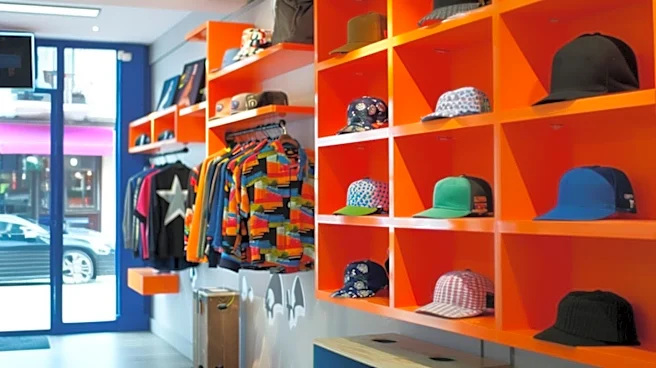
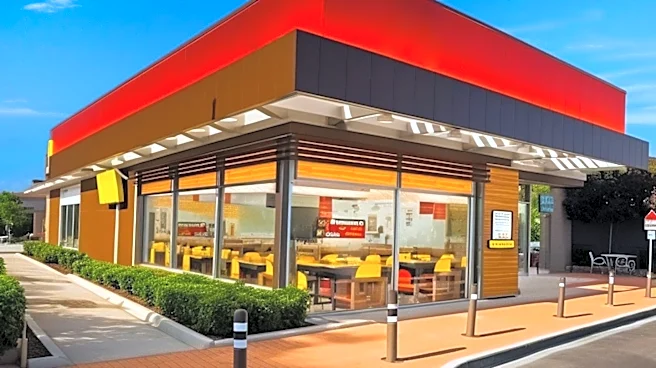
that the majority of U.S. retail space was leased to tenants offering services rather than goods. This shift is evident in places like Ridgewood, New Jersey, where the downtown area now hosts numerous barbershops, coffee shops, restaurants, and fitness studios. This change is driven by evolving consumer spending habits, with a growing preference for experiences and services over physical goods. The trend, temporarily interrupted by the COVID-19 pandemic, has resumed, fueled by wealthier consumers and those redirecting savings from cheaper goods to services.
Why It's Important?
The shift from goods to services in retail spaces reflects broader changes in consumer behavior and has significant implications for the retail industry. As consumers increasingly prioritize experiences and services, traditional retail businesses may face challenges in maintaining foot traffic and sales. This trend could lead to a reimagining of retail spaces, with more emphasis on creating engaging experiences for consumers. For local economies, this shift could mean a change in the types of businesses that thrive, potentially impacting employment patterns and economic activity in these areas. Additionally, the rise of online shopping has contributed to this trend, as consumers seek more than just products when they visit physical stores.
What's Next?
As the trend towards service-oriented retail spaces continues, businesses may need to adapt by offering unique experiences that cannot be replicated online. This could involve integrating more interactive and engaging elements into their offerings. For local governments and urban planners, there may be a need to support this transition by facilitating the development of infrastructure that supports service-based businesses. Additionally, traditional retailers may need to innovate and diversify their offerings to remain competitive in this changing landscape.
Beyond the Headlines
The shift from goods to services in retail spaces also raises questions about the cultural and social implications of this trend. As communities become more service-oriented, there may be changes in how people interact with their local environments and each other. The emphasis on experiences could foster a greater sense of community and engagement, as people seek out social and recreational activities. However, it could also lead to the decline of traditional retail businesses that have long been staples of local economies, potentially impacting the character and identity of these areas.