








What's Happening?
Nestlé has announced its plan to remove artificial food colorings from all its products worldwide by the end of 2026. This decision follows the successful removal of artificial colors from its U.S. portfolio, marking a significant industry first for a company
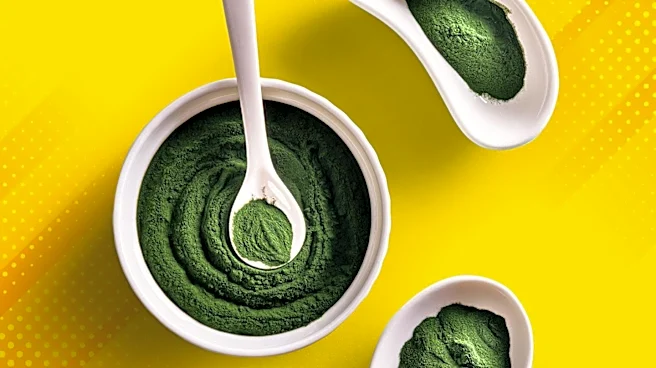
of its size. Stefan Palzer, Nestlé’s technology chief, stated that the move was driven by consumer demand for simpler recipes and recognizable ingredients. The transition required extensive research and development to identify and test natural color alternatives, ensuring they meet production and shelf-life standards. This initiative places Nestlé at the forefront of the clean-label movement, increasing pressure on other food and beverage manufacturers to follow suit.
Why It's Important?
Nestlé's commitment to eliminating artificial colors is significant as it reflects a broader industry trend towards transparency and natural ingredients. This move is likely to influence consumer expectations and regulatory standards, potentially leading to widespread reformulation across the food and beverage sector. Companies that fail to adapt may face increased scrutiny and lose market share to competitors who embrace clean-label practices. The shift also highlights the growing importance of consumer preferences in shaping industry practices, as businesses strive to meet demands for healthier and more natural products.
What's Next?
As Nestlé progresses towards its 2026 goal, other manufacturers may accelerate their own reformulation efforts to remain competitive. This could lead to increased innovation in natural color alternatives and other clean-label ingredients. Regulatory bodies might also consider updating guidelines to reflect these industry changes, potentially mandating clearer labeling and ingredient transparency. The success of Nestlé's initiative could serve as a case study for other companies, influencing future strategies in product development and marketing.