







What's Happening?
CONCACAF, the North American governing body for soccer, has announced significant changes to the format of the Gold Cup tournament, effective from its 2027 edition. The tournament will transition from its previous structure of four groups with 16 teams
to a new format featuring two groups, each comprising eight teams. Under the revised rules, the top four teams from each group will advance to the knockout rounds, guaranteeing all participating nations at least four matches, an increase from the previous three. The 2027 tournament is scheduled to begin on June 17 and conclude on July 11, with the draw set for April 8. It is anticipated that some matches will be held in the United States. The upcoming Gold Cup will include 15 qualifying countries from the region via the Nations League, along with guest nation Saudi Arabia.
Why It's Important?
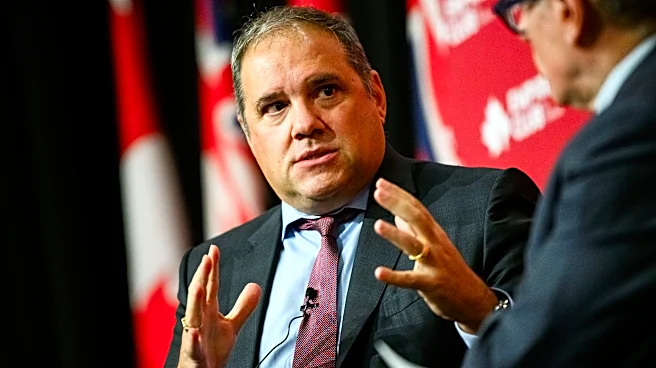
This format change for the Gold Cup carries substantial implications for national teams, particularly the U.S. men's national team and Mexico's men's national team, who are prominent participants. The shift to two larger groups and an increased number of guaranteed matches provides more competitive opportunities and exposure for all participating nations. According to CONCACAF president Victor Montagliani, this new structure aims to make every match more impactful, fostering greater competition and engagement throughout the group stage. For the U.S., hosting some games could boost local interest and revenue, while the extended format offers more chances for player development and tactical experimentation against a wider range of regional opponents. The inclusion of a guest nation like Saudi Arabia also broadens the tournament's international appeal and competitive landscape.
What's Next?
The next Gold Cup, featuring the new format, is scheduled to kick off on June 17, 2027, and will conclude on July 11, 2027. The official draw for the tournament will take place on April 8, 2027, determining the group alignments for the participating teams. Leading up to the tournament, 15 countries from the CONCACAF region will qualify through the Nations League, with Saudi Arabia joining as a guest nation. Teams will now focus on adapting their strategies to the longer group stage and the increased number of matches. The performance in the 2027 Gold Cup will be a key indicator of the effectiveness of CONCACAF's new format and its impact on regional soccer development.
Beyond the Headlines
The decision to alter the Gold Cup format reflects a broader trend in international soccer to enhance competition and provide more meaningful matches for national teams. By guaranteeing more games, CONCACAF aims to improve the quality of play and increase the commercial viability of the tournament. This change could also influence player fitness and squad rotation strategies, as teams will need deeper rosters to navigate the extended schedule. The inclusion of guest nations, while adding to the spectacle, also raises questions about the balance between regional competition and global outreach. Ultimately, the success of this new format will be measured by its ability to elevate the standard of soccer within the CONCACAF region and generate sustained fan interest.