



What's Happening?
Wester Ross, located in the northwest Scottish Highlands, has been identified as Europe's premier 'stillcation' destination by walking vacation specialists Inghams Walking. This designation comes from a study that evaluated nearly 100 European locations
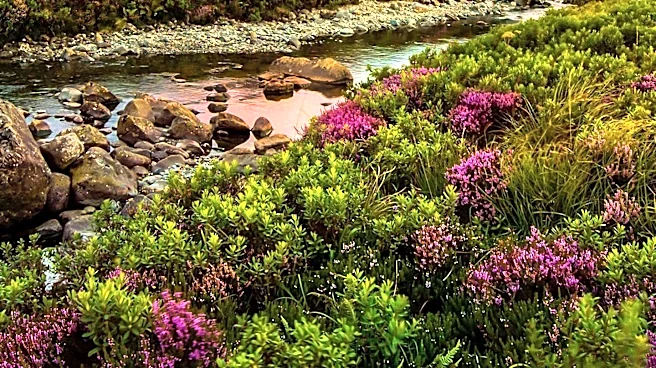
based on six environmental factors conducive to rest and relaxation: walking trails, air quality, birdsong richness, stargazing quality, human density, and forest coverage. Wester Ross achieved the highest 'Stillcation Score' of 44.74 out of 100. The region is characterized by its abundant beaches, lochs, ancient pinewoods, glens, and mountains. Notably, it boasts some of the darkest skies in Europe, rated Class 1 on the Bortle scale, indicating minimal light pollution ideal for stargazing. With a human density of only 1.6 people per square kilometer, it offers significant solitude. The study by Inghams Walking aimed to identify destinations where travelers could achieve a state of stillness and relaxation, responding to a growing need for such experiences, as indicated by a 2024 National Alliance on Mental Illness poll showing high rates of burnout among American workers.
Why It's Important?
The recognition of Wester Ross as a top 'stillcation' destination highlights a growing trend in travel preferences, particularly in the wake of increased stress and burnout reported by American workers. The National Alliance on Mental Illness's 2024 Workplace Mental Health Poll revealed that over half of American workers experience burnout, with 37% finding it difficult to perform their jobs due to feeling overwhelmed. This data underscores a significant societal need for vacations focused on mental well-being and relaxation rather than constant activity. For the U.S. travel industry, this trend suggests a potential shift in demand towards destinations offering tranquility, natural beauty, and opportunities for solitude. Travel agencies and tour operators might consider developing more 'stillcation'-oriented packages to cater to this emerging market. While Wester Ross is in Europe, its appeal reflects a universal desire for mental respite, which could influence how Americans plan their international and domestic getaways, potentially boosting interest in similar serene U.S. locations.
What's Next?
Following this recognition, Wester Ross may experience an increase in tourism, particularly from individuals seeking quiet, nature-focused getaways. Travel companies, both in Europe and potentially in the U.S., might begin to market 'stillcation' packages more explicitly, emphasizing mental well-being and disconnection from daily stressors. Other European destinations that ranked highly in the study, such as the French Pyrenees, Abisko, Sweden, and the Engadin Valley, Switzerland, could also see increased interest. For the U.S. travel market, this trend could lead to a re-evaluation of domestic destinations that offer similar attributes—dark skies, low human density, and extensive natural landscapes—as potential 'stillcation' spots. This could encourage investment in eco-tourism and conservation efforts in such areas to preserve their appeal. The broader travel industry may also start incorporating 'stillness' as a key selling point in their offerings, moving beyond traditional adventure or luxury travel narratives.
Beyond the Headlines
The concept of a 'stillcation' reflects a deeper societal shift towards prioritizing mental health and well-being in an increasingly fast-paced and connected world. The high rates of burnout reported by American workers suggest a systemic issue where traditional vacation models may no longer suffice for true rejuvenation. This trend could lead to a redefinition of what constitutes a 'successful' vacation, moving away from packed itineraries and constant stimulation towards experiences that foster mindfulness, presence, and connection with nature. Ethically, this shift could encourage more sustainable and responsible tourism practices, as 'stillcation' destinations often rely on the preservation of natural environments and local cultures. It also highlights the importance of accessible natural spaces for public health, potentially influencing urban planning and conservation policies to create more opportunities for 'stillness' closer to home. Culturally, it may signal a growing appreciation for solitude and quiet reflection as essential components of a balanced life.