

What's Happening?
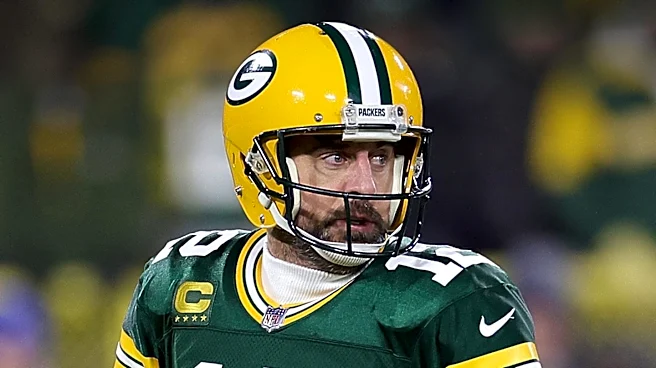
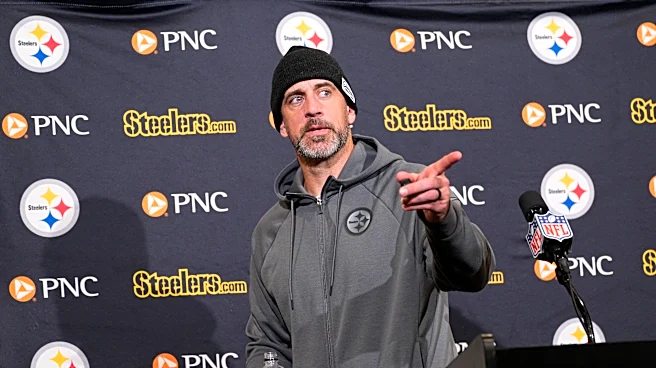
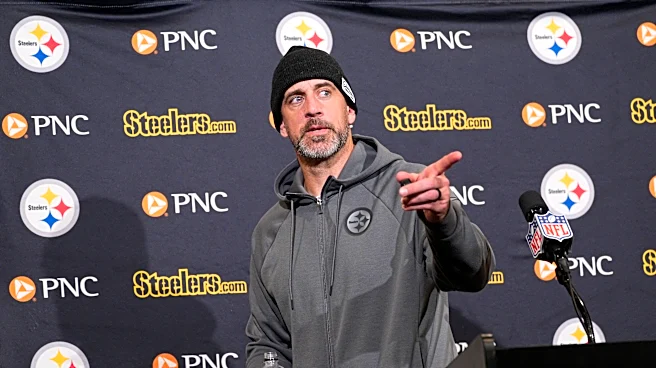
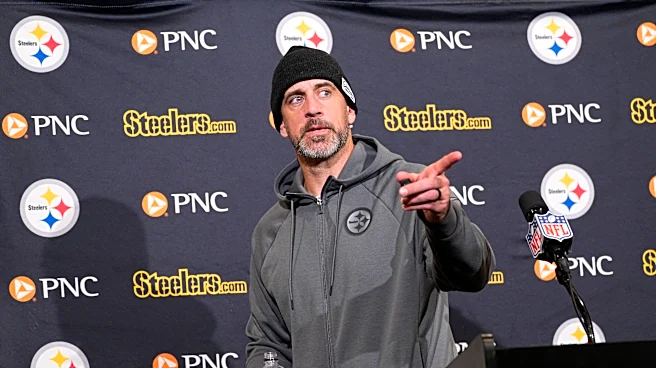
The Pittsburgh Steelers released quarterback Aaron Rodgers on Wednesday, shortly after he publicly criticized head coach Mike McCarthy during an appearance on ESPN's "The Pat McAfee Show." This move followed a chaotic 18-hour period where the team announced
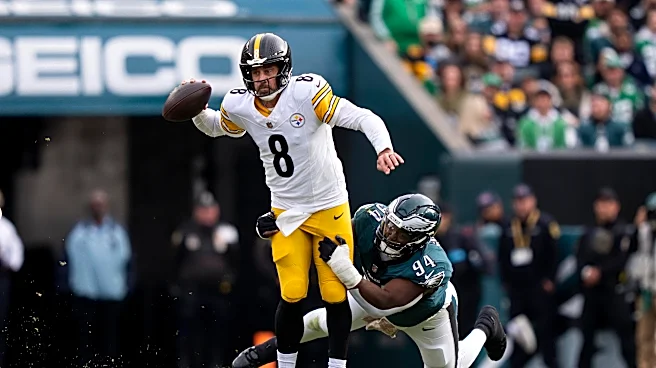
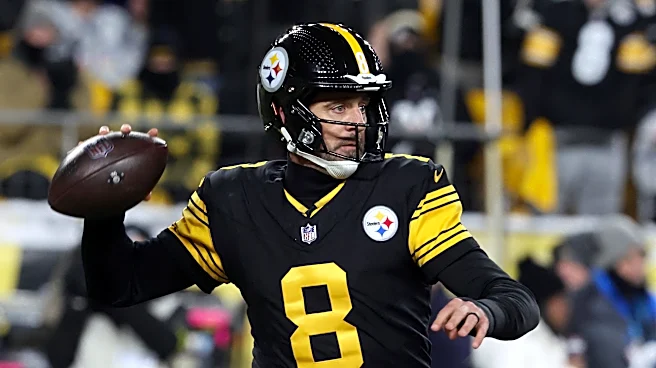
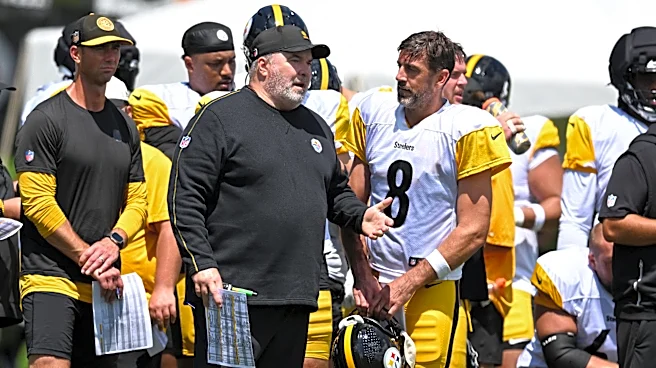
it was benching the 42-year-old future Hall of Famer for backup Mason Rudolph ahead of their game against Denver. Rodgers responded by taking an excused absence from the team and then used the platform to question McCarthy's mental state and leadership. He described instances of McCarthy arriving late to meetings, falling asleep, and missing key team sessions. Rodgers, who played under McCarthy in Green Bay earlier in their careers, stated he felt it was his responsibility as a veteran to voice these issues. The Steelers' decision to release Rodgers marks an abrupt end to his tenure with the team, which was intended to be his final NFL stop.
Why It's Important?
This event is highly significant for the NFL and the Pittsburgh Steelers, as it involves a future Hall of Fame quarterback being released mid-season after publicly airing grievances against his coach. Such a move is rare and underscores the severe breakdown in communication and trust between a star player and the coaching staff. For the Steelers, it creates immediate instability at the quarterback position and could impact team morale and performance as they are currently in playoff contention. The public nature of Rodgers' criticism, broadcast on a national platform, also sets a precedent for how player-coach disputes can escalate in the modern media landscape. This situation highlights the immense pressure on NFL teams to manage high-profile personalities and maintain internal harmony, especially when playoff aspirations are on the line. The decision to release Rodgers, rather than manage the conflict internally, signals a definitive stance by the organization.
What's Next?
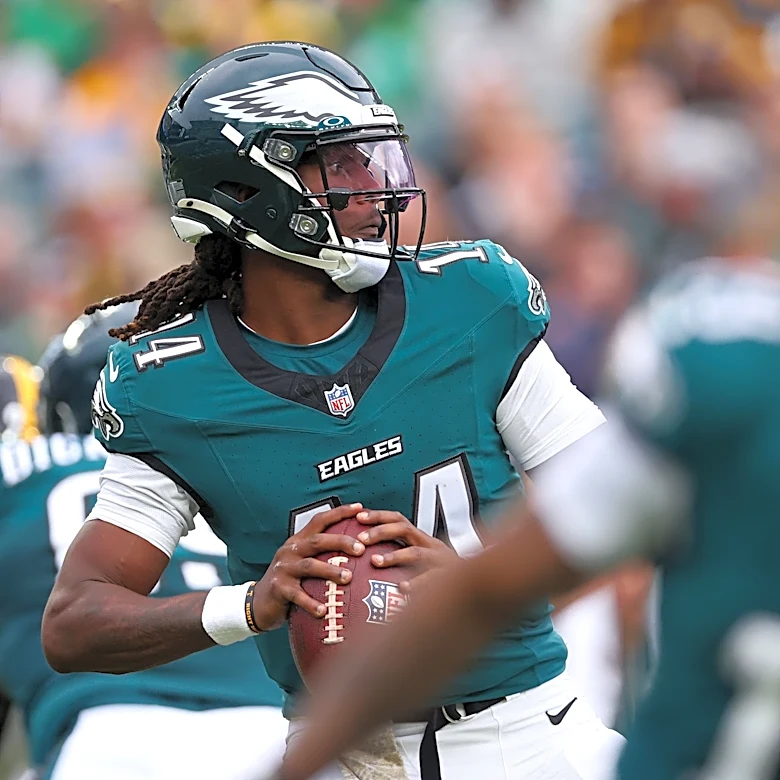
With Aaron Rodgers released, Mason Rudolph is expected to take over as the starting quarterback for the Pittsburgh Steelers. The team faces a challenging schedule with upcoming games against AFC West-leading Denver, surging Houston, and AFC South leader Jacksonville. Rudolph, who previously led the Steelers to a playoff berth in 2023, will be under immense pressure to perform and stabilize the team's playoff hopes. The Steelers' ability to navigate this sudden change at quarterback will be crucial for their season. Rodgers' future in the NFL is now uncertain, as he had previously indicated this would be his last season. The incident could also lead to further scrutiny of McCarthy's coaching style and leadership within the Steelers organization. The team will need to quickly rally around Rudolph and maintain focus to avoid a potential collapse in their playoff pursuit.
Beyond the Headlines
The dramatic departure of Aaron Rodgers from the Steelers raises deeper questions about player empowerment, coaching authority, and the evolving dynamics within professional sports. Rodgers' decision to use a public platform to criticize his coach reflects a growing trend where athletes leverage their media presence to voice concerns, potentially bypassing traditional internal channels. This can create a challenging environment for team management, balancing player autonomy with organizational control. The incident also highlights the complexities of reuniting former player-coach duos, as past successes do not guarantee future harmony, especially when expectations are high. Ethically, the public airing of grievances can be seen as a breach of team unity, but it also provides a rare glimpse into the internal workings and potential dysfunctions of a high-stakes professional sports team. The long-term implications could influence how teams manage star players and how coaches maintain authority in an era of increased media scrutiny and player influence.