






What's Happening?
HDR is actively recruiting a Structural Engineer for its Hydropower team in Nashville, Tennessee, and across the Southeast. The company is looking for engineers at various experience levels to contribute to the design, repair, and retrofit of utility
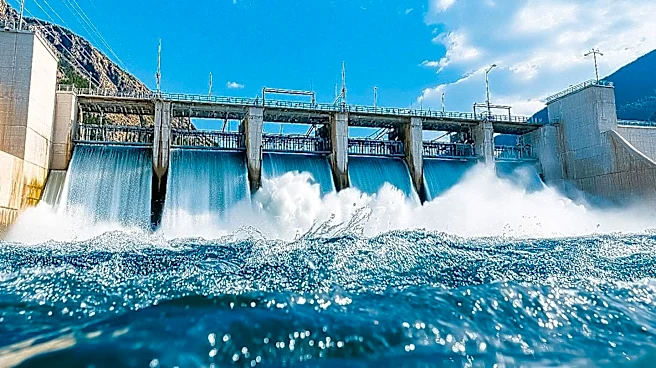
projects within its nationally recognized Hydropower Practice. This initiative is part of HDR's broader effort to modernize and sustain vital hydropower infrastructure, which is increasingly critical for grid reliability and the region's energy future. The role requires a Bachelor's degree in Civil or Structural Engineering and a professional engineering license. Preferred qualifications include familiarity with concrete dams, structural steel gates, and experience with hydropower facilities, along with the ability to perform field inspections.
Why It's Important?
The recruitment of Structural Engineers for hydropower projects is significant for the U.S. energy sector, particularly in the Southeast. Hydropower facilities are a crucial component of the nation's energy grid, providing reliable and renewable power. Modernizing and maintaining this infrastructure ensures energy security and supports the transition to cleaner energy sources. For the U.S. economy, these projects create jobs in engineering, construction, and related industries. They also contribute to regional economic stability by providing consistent power to communities and businesses. The focus on hydropower also aligns with national goals for reducing carbon emissions and enhancing grid resilience against climate impacts. Companies like HDR, by investing in this sector, play a key role in shaping the future of U.S. energy infrastructure.
What's Next?
HDR's continued expansion of its Hydropower team suggests a sustained focus on strengthening the U.S. energy infrastructure. Successful recruitment will enable the company to undertake more projects aimed at upgrading existing hydropower facilities and potentially developing new ones. This could lead to increased investment in renewable energy technologies and a more robust, reliable power grid across the Southeast. The demand for skilled structural engineers in this specialized field is likely to grow, potentially influencing educational programs and workforce development initiatives. Furthermore, the modernization of hydropower facilities could contribute to meeting future energy demands and supporting the integration of other renewable energy sources into the grid, aligning with broader national energy policies.