







What's Happening?
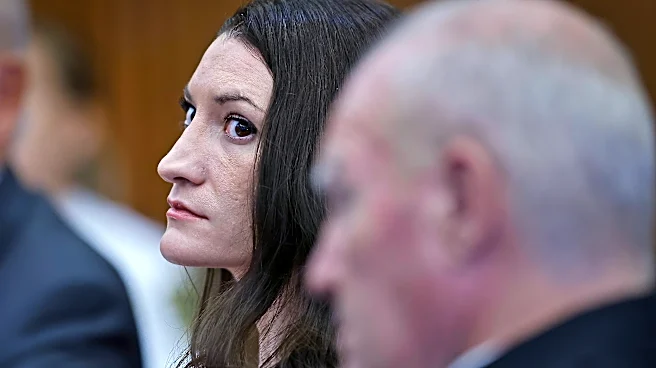
A woman, Meg LeDuc, has shared her deeply personal experience of attempting to become a mother despite a history of schizoaffective disorder and multiple suicide attempts. Her journey involved consulting a perinatal psychiatry clinic with her husband,
Tim, where she faced probing questions about her mental health history and the potential risks of medication during pregnancy. Despite being stable for four years on antipsychotic medication, she encountered significant challenges, including the medical community's limited knowledge about the medication's effects on pregnancy and the difficulty in finding adoption agencies willing to work with her due to her psychiatric history. After a failed attempt to taper off medication for pregnancy, which led to a hospitalization, and subsequent struggles with natural conception, she ultimately decided to prioritize her own wellness over biological motherhood. Her story underscores the complex reproductive health needs of women with severe mental illnesses and the systemic gaps in care.
Why It's Important?
This personal account is crucial as it sheds light on the often-invisible struggles of women with severe mental illnesses who wish to pursue motherhood. It exposes significant gaps in maternal mental health care, particularly regarding the lack of research on psychotropic medications during pregnancy and the stigma faced by individuals with psychiatric histories in adoption processes. The narrative highlights that while 18% of U.S. parents experience a mental health condition annually, and many women with conditions like schizoaffective disorder become mothers, the support systems and medical knowledge are insufficient. This situation can lead to tragic outcomes, as exemplified by the case of Lindsay Clancy, and emphasizes the urgent need for improved reproductive psychiatry and comprehensive support for these women. It also brings to the forefront the ethical dilemmas faced by individuals balancing their mental health needs with their desire for a family.
What's Next?
The author's decision to prioritize her wellness and find alternative ways to nurture, such as through her relationship with her niece and nephew, suggests a path toward acceptance and fulfillment outside of traditional biological motherhood. Her continued advocacy, including writing a memoir and contributing to publications on maternal mental health, indicates a commitment to raising awareness and pushing for systemic change. This personal narrative could contribute to ongoing discussions about improving mental health care for pregnant and postpartum women, increasing research into medication safety during pregnancy, and reducing the stigma associated with mental illness in family planning. It may also encourage more open conversations about diverse paths to parenthood and the importance of individual well-being in family decisions.
Beyond the Headlines
This story delves into the profound ethical and societal implications of mental illness on reproductive rights and family formation. It challenges the implicit societal expectation that all women will, or should, become biological mothers, especially when faced with significant health challenges. The narrative reveals the deep-seated stigma against individuals with severe mental illness, which can manifest as discrimination in adoption and a lack of adequate medical support. It also explores the complex interplay between personal desire, medical advice, and self-preservation, highlighting the immense courage required to make difficult life choices when faced with such profound personal and systemic barriers. The author's ultimate choice to prioritize her wellness over a specific dream of motherhood offers a powerful message about self-compassion and redefining fulfillment, suggesting a broader cultural shift towards valuing individual well-being as a cornerstone of a meaningful life.