





What's Happening?
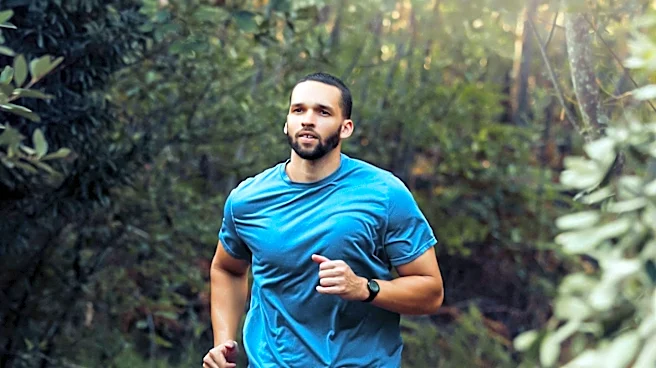
A recent analysis of running data has provided insights into the average running pace per mile across different age groups. The data, collected from platforms like Garmin and Coros, shows that the average mile time globally is 9:21 for men and 10:11 for women.
The study breaks down these averages further by age groups, revealing that younger runners tend to have faster paces. For instance, individuals aged 20-29 have an average pace of 9:16, while those aged 70 and above average 10:57. The analysis also highlights seasonal variations, with running paces generally increasing in the summer and decreasing in the winter. Factors such as gender, age, weather, nutrition, and terrain significantly influence running speed. The report suggests that understanding these averages can motivate runners to adopt more effective training habits.
Why It's Important?
This analysis is significant as it provides runners with benchmarks to assess their performance relative to their peers. By understanding average paces, runners can set realistic goals and tailor their training programs to improve their speed. The data also underscores the importance of considering various factors that affect running performance, such as weather and nutrition. For the running community, these insights can lead to more informed decisions about training regimens and race strategies. Additionally, the information can help sports scientists and coaches develop targeted interventions to enhance athletic performance across different age groups.
What's Next?
Runners and coaches may use this data to refine training programs, focusing on areas like nutrition and seasonal adjustments to optimize performance. As more data becomes available, further studies could explore the impact of other variables, such as psychological factors, on running speed. The running community might also see increased interest in personalized training plans that consider individual differences in pace and performance. Future research could expand on these findings to include more diverse populations and explore the long-term effects of different training strategies on running performance.