


What's Happening?
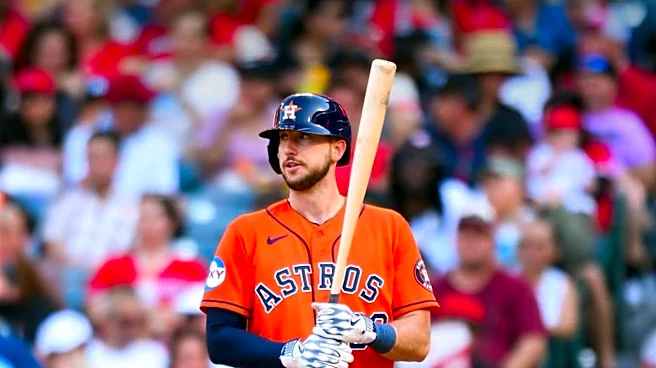
One year after signing a significant deal with the Dodgers, Kyle Tucker's performance has become a focal point in discussions about the unpredictable nature of MLB free agency. According to MLB.com, Tucker, who was considered the top free agent on the market
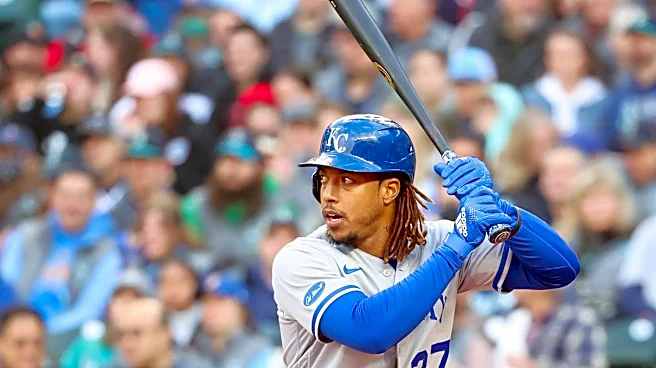
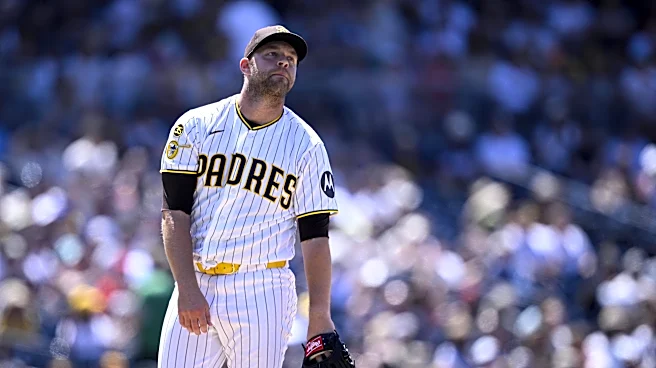
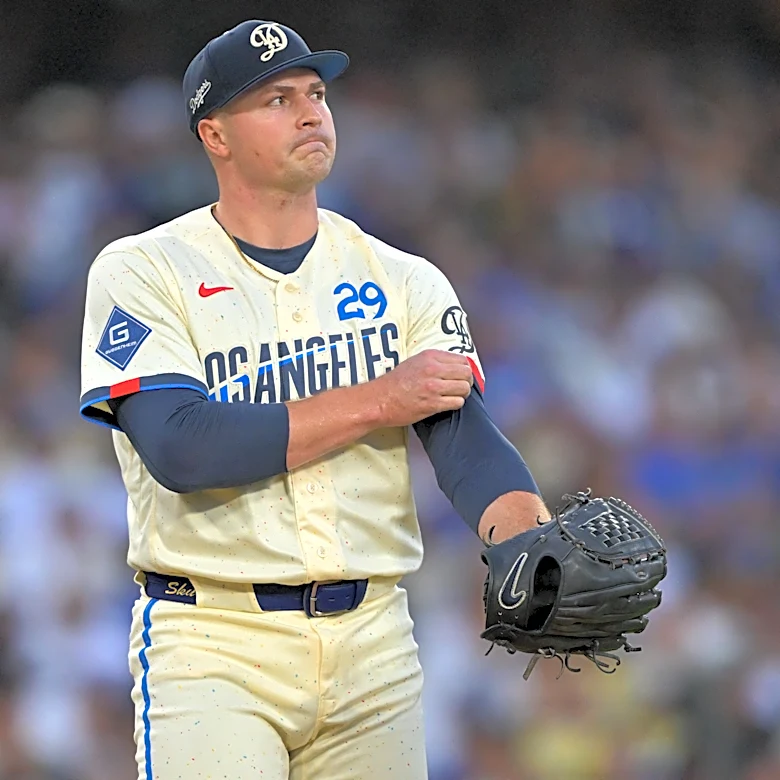
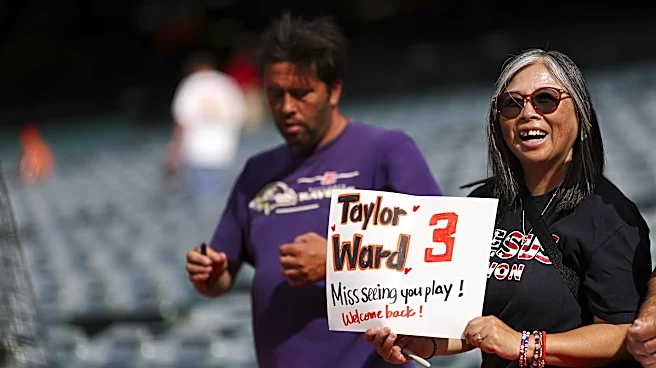
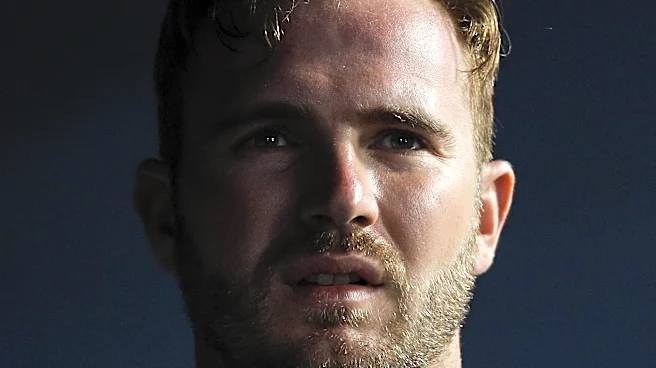
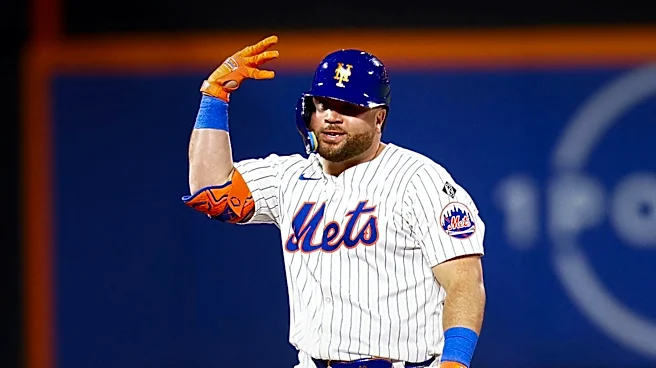
last year, produced a WAR (Wins Above Replacement) of just 0.9. This contrasts sharply with Ty France, who signed a minor league deal with the Padres and achieved a WAR of 3.6, placing him among the top 70 players in the Majors. The disparity highlights the challenges teams face in projecting player performance year-to-year, even for highly-touted athletes. The article also mentions other intriguing under-the-radar free agents for the 2026-27 season, including Kris Bubic, Tyler Stephenson, Taylor Ward, Hiromi Itoh, and Alex Vesia, each with their own set of health concerns, past performance issues, or unique skill sets that could lead to unexpected outcomes.
Why It's Important?
The significant underperformance of a high-profile free agent like Kyle Tucker, especially after securing a large contract, underscores the inherent risks and complexities in the professional sports business model. For MLB teams, substantial investments in star players are made with the expectation of commensurate returns in on-field performance and fan engagement. When these expectations are not met, it can lead to financial strain, strategic re-evaluations, and potential shifts in team dynamics. This situation also impacts the broader free-agent market, potentially influencing how teams approach future signings, emphasizing a more cautious or data-driven assessment of player value beyond past accolades. The contrast with Ty France's success from a minor league deal further illustrates that value can be found in unexpected places, challenging conventional wisdom in player acquisition and development strategies.
What's Next?
The ongoing discussions surrounding player performance post-signing, exemplified by Kyle Tucker's season, will likely continue to shape team strategies in the upcoming free agency period. Teams may increasingly scrutinize long-term contracts for players, focusing more on recent performance metrics, injury history, and potential for sustained output rather than solely on past peak seasons. This could lead to a more diversified approach to roster building, with teams potentially investing more in developing internal talent or seeking out undervalued players on shorter, more incentive-laden deals. The performance of other 'under-the-radar' free agents mentioned, such as Kris Bubic and Tyler Stephenson, will also be closely watched as teams seek to identify hidden gems and mitigate the risks associated with high-cost acquisitions.
Beyond the Headlines
The narrative surrounding Kyle Tucker's season extends beyond mere statistics, touching upon the psychological and financial pressures placed on athletes with massive contracts. The expectation to consistently deliver elite performance after signing a lucrative deal can be immense, and the impact of such pressure on a player's mental and physical state is a less obvious but critical factor. Furthermore, the situation highlights the evolving analytics in baseball, where advanced metrics like WAR are used to quantify player value, yet even these sophisticated tools cannot fully predict human performance. This ongoing challenge for teams to accurately project future success from past data points raises questions about the limits of quantitative analysis in a sport heavily influenced by human variables, including health, motivation, and adaptability.