





What's Happening?
Intellia Therapeutics Inc. (NASDAQ:NTLA) saw its stock price increase by 5.04% to $10 per share, breaking a three-day losing streak. This surge occurred as investor funds shifted away from technology stocks, seeking lower-risk assets due to ongoing concerns
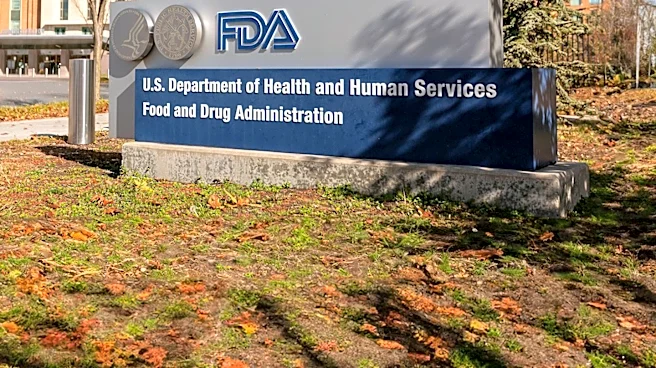
about artificial intelligence. The company's stock also experienced a 3% week-on-week growth. This rally is largely attributed to investor optimism surrounding the potential approval of Lonvo-z, Intellia's CRISPR-based therapy for hereditary angioedema (HAE), by the Food and Drug Administration (FDA). Intellia Therapeutics has indicated that the FDA has not requested any unusual information regarding the therapy candidate. The FDA has set a deadline of March 10, 2027, for its decision on Intellia's biologics license application and has stated it does not currently plan to hold an advisory committee meeting to discuss the application. If approved, Lonvo-z would be the first in vivo CRISPR-based therapy globally and the only one-time treatment for HAE.
Why It's Important?
The potential approval of Lonvo-z is a significant development for Intellia Therapeutics and the broader biotechnology sector. As the first in vivo CRISPR-based therapy, its approval would validate the CRISPR/Cas9 gene-editing technology for direct therapeutic use within the human body, potentially opening doors for numerous other gene-editing treatments. For patients with hereditary angioedema, Lonvo-z offers the prospect of a one-time curative treatment, a substantial improvement over existing chronic management options. This could significantly enhance the quality of life for individuals suffering from HAE. From an investment perspective, the stock rally indicates investor confidence in Intellia's pipeline and the future of gene-editing therapies, positioning the company as a leader in this innovative field. The shift of investor funds from tech to biotech also highlights a broader market trend where investors are seeking tangible advancements in healthcare as a more stable investment.
What's Next?
The immediate next step for Intellia Therapeutics is the FDA's decision on the biologics license application for Lonvo-z, expected by March 10, 2027. A positive decision would likely lead to a significant increase in Intellia's stock value and accelerate its market entry for Lonvo-z. The company would then focus on commercialization efforts, including manufacturing, distribution, and patient access programs. If approved, Intellia will also need to manage the increased scrutiny and expectations that come with launching a groundbreaking therapy. Conversely, a delay or rejection could negatively impact the stock and the company's near-term financial outlook. Beyond Lonvo-z, Intellia will continue to advance its other product candidates, including those for transthyretin amyloidosis and various immuno-oncology and autoimmune diseases, leveraging its CRISPR/Cas9 platform. The success of Lonvo-z could also pave the way for further collaborations and partnerships within the gene-editing space.
Beyond the Headlines
The potential approval of Lonvo-z extends beyond its immediate therapeutic benefits, signaling a pivotal moment in the ethical and regulatory landscape of gene editing. As the first in vivo CRISPR therapy, it will set precedents for how regulatory bodies assess the safety and efficacy of direct gene modification within patients. This could spark broader discussions about the long-term implications of altering human DNA, including potential off-target effects and germline editing concerns, even if Lonvo-z is not designed for germline editing. The success of such a therapy could also intensify the debate around equitable access to high-cost, cutting-edge treatments, raising questions about healthcare affordability and global distribution. Furthermore, it could accelerate research and investment into other gene-editing technologies, potentially leading to a new era of personalized medicine where genetic diseases are not just managed but cured at their root cause, fundamentally transforming the pharmaceutical industry and patient care paradigms.