

What's Happening?
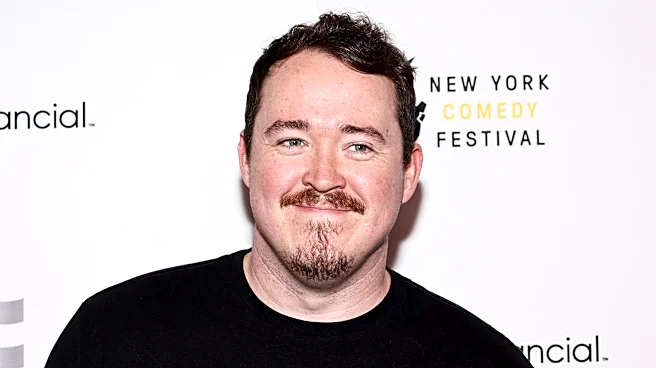
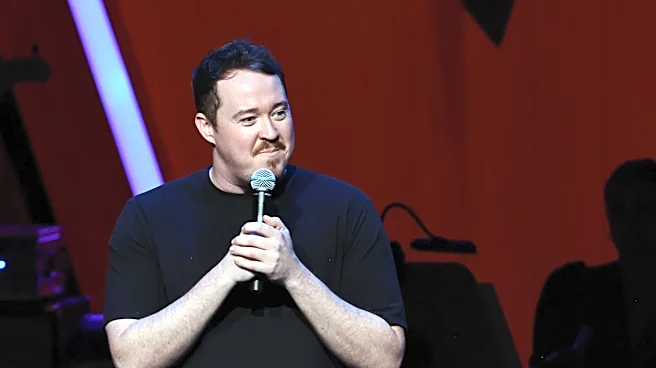
Comedian Shane Gillis sparked controversy during his hosting appearance on 'Saturday Night Live' on October 10, 2026. During his monologue, Gillis made critical remarks about women's gym clothing, specifically targeting 'booty scrunch' shorts. He stated,
'I didn’t know women just dress like wh*res now,' and admitted to staring at women's bodies in the gym, claiming to have been caught on TikTok videos. This segment followed his initial jokes about his own weight. His comments quickly led to widespread criticism from various online communities, including gym influencers like Kelly Matthews, Maia Mae, and Bailey Stewart, as well as the popular gym clothing brand Oner. The backlash highlights ongoing discussions about the objectification of women and societal expectations regarding their attire in public spaces, particularly in male-dominated environments like gyms.
Why It's Important?
Gillis's comments are significant as they reignite debates surrounding body shaming, misogyny, and the sexualization of women in media and public discourse. His remarks, made on a prominent national platform like SNL, amplify harmful stereotypes that link women's clothing choices to their sexual morality. This perpetuates a culture where women are judged and policed based on their appearance, rather than their actions or intentions. The swift and widespread backlash from influencers and brands demonstrates a growing intolerance for such rhetoric, indicating a shift in public sentiment towards greater accountability for public figures. The incident also underscores the power of social media in mobilizing responses and challenging traditional narratives, as numerous individuals and organizations used their platforms to condemn Gillis's statements and advocate for women's autonomy in their clothing choices.
What's Next?
The immediate aftermath of Gillis's monologue has seen a surge in online discussions and content creation, with many women posting videos in gym shorts to defy his comments. This collective response suggests a continued pushback against the policing of women's bodies and attire. It is likely that Gillis will face ongoing scrutiny and potential career repercussions, depending on how he addresses the controversy and how public opinion evolves. The incident may also prompt broader conversations within the entertainment industry about the types of humor deemed acceptable on national television and the responsibility of comedians to avoid perpetuating harmful stereotypes. Brands and public figures may become more cautious about associating with individuals who make such controversial statements, potentially influencing future collaborations and endorsements.
Beyond the Headlines
Beyond the immediate controversy, this event touches upon deeper societal issues concerning gender dynamics in public spaces and the persistent objectification of women. The gym, often perceived as a male-dominated environment, becomes a microcosm where these power imbalances are highlighted. Gillis's comments reflect a broader cultural tendency to scrutinize and judge women's bodies, diverting focus from their athletic pursuits to their perceived sexual availability. This incident also brings to light the double standard often applied to men and women regarding attire and behavior in public. While men's clothing choices in gyms are rarely policed, women frequently face criticism and unwanted attention. The ongoing dialogue sparked by Gillis's remarks contributes to a larger movement advocating for gender equality, respect, and the right of individuals to dress as they choose without fear of judgment or harassment.