

What's Happening?
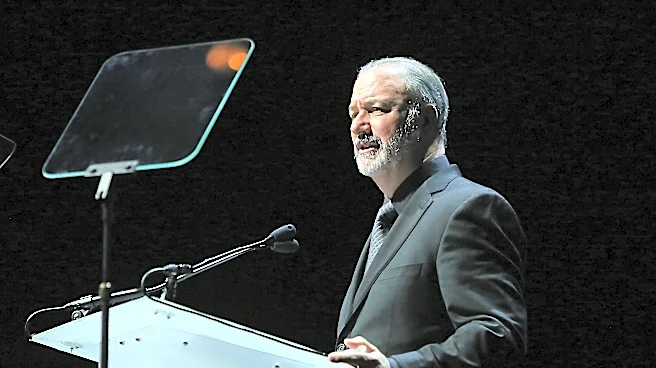
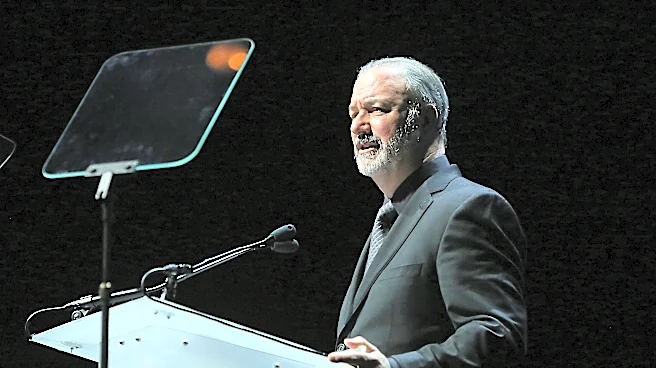
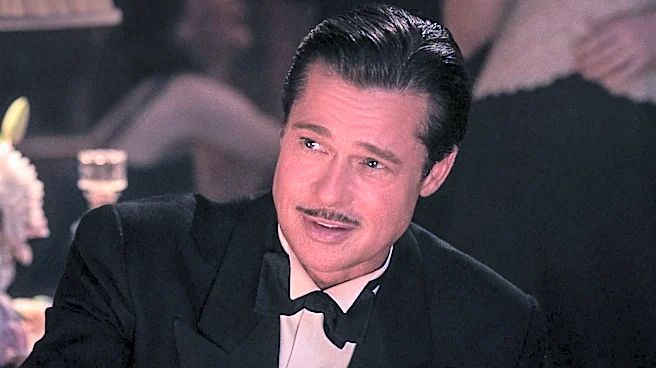
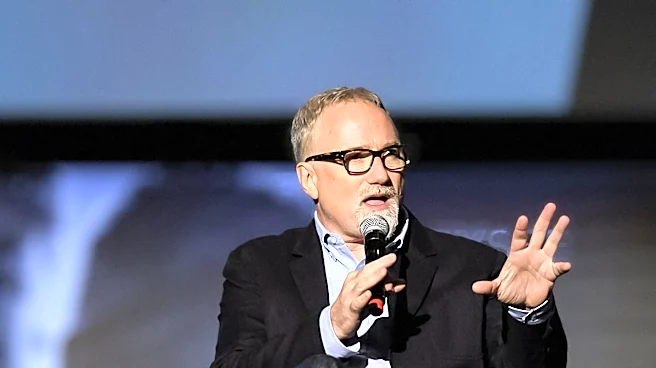
Director David Fincher has revealed that AI-assisted post-production was used in his film 'The Further Mis-Adventures of Cliff Booth' to synchronize actors' lip movements with selected dialogue recordings. This technique allowed Fincher to combine the strongest
vocal performances with the most compelling on-camera physical performances, even if they originated from different takes. In an interview on The Ringer’s The Big Picture podcast, Fincher explained that this process enabled the team to adjust lip movements to match chosen audio, providing greater flexibility in post-production. He also acknowledged that a few shots still required refinement. This disclosure confirms a specific application of AI in film production, focusing on enhancing the relationship between sound and image rather than generating imagery. Fincher also discussed a future workflow where close-ups could be derived from captured performances, potentially reducing the number of takes required on set.
Why It's Important?
The use of AI in 'The Further Mis-Adventures of Cliff Booth' signifies a notable advancement in post-production techniques within the film industry. This application of AI could lead to more efficient filmmaking processes, allowing directors to achieve their artistic vision by seamlessly blending different performance elements. For actors, it might mean less pressure to deliver perfect vocal and physical performances simultaneously in a single take, potentially freeing them to explore more nuanced portrayals. The broader implication for Hollywood is a potential shift in production workflows, where AI tools become integral to refining performances and streamlining editing. This development could also influence discussions around the role of AI in creative industries, particularly concerning how technology can augment human artistry rather than replace it. The ability to fine-tune performances with AI could set new standards for cinematic quality and efficiency.
What's Next?
Fincher's vision for a future workflow, where close-ups are derived from captured performances rather than requiring separate camera setups, suggests a potential evolution in how films are shot and edited. If widely adopted, this approach could significantly reduce production time and costs by minimizing the need for repeated takes due to technical issues like missed focus or obstructed views. The film industry may see increased investment in AI tools that offer similar post-production flexibility and efficiency. Furthermore, this disclosure is likely to fuel ongoing conversations within Hollywood about the ethical implications and creative boundaries of AI. As AI technology becomes more sophisticated, filmmakers and studios will need to establish guidelines for its responsible use, balancing innovation with the preservation of artistic integrity and human creative input. The success and reception of AI-assisted techniques in Fincher's film could influence other directors and studios to explore similar applications.
Beyond the Headlines
The application of AI in 'The Further Mis-Adventures of Cliff Booth' extends beyond mere technical efficiency; it touches upon the very nature of performance and artistic control in filmmaking. By allowing the separation and recombination of vocal and physical performances, AI introduces a new layer of manipulation that could redefine what constitutes an 'authentic' take. This raises ethical questions about the extent to which technology should alter original performances and how audiences perceive such enhancements. Legally, this could lead to new considerations in actor contracts regarding the use of their likeness and performance data for AI manipulation. Culturally, it might spark debates about the future of acting and directing, where the line between human creativity and technological augmentation becomes increasingly blurred. This development could be a precursor to more profound shifts in cinematic storytelling, where AI plays an even more integral role in shaping the final artistic product.