





What's Happening?
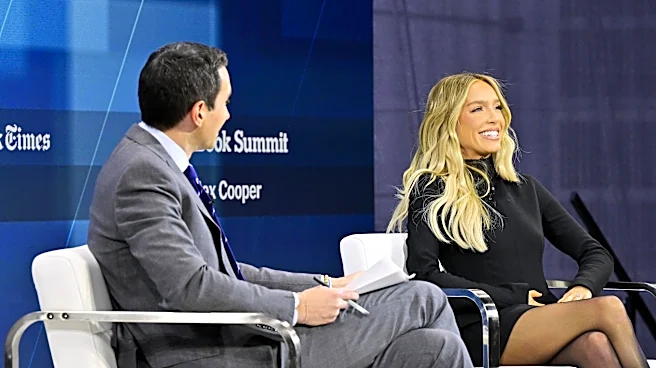
Sofia Franklyn's new book, 'Daddy Issues,' has generated significant discussion, particularly involving Dave Portnoy, who has publicly commented on its contents. The book delves into the tumultuous split between Franklyn and Alex Cooper, former co-hosts
of the 'Call Her Daddy' podcast. Franklyn's narrative aims to provide her perspective on the events that led to their professional separation and Cooper becoming the sole host. The book details the duo's dissatisfaction with their initial contract at Barstool Sports, where they reportedly earned $75,000 each annually despite the podcast's massive listenership. Franklyn sought better compensation, brand deal opportunities, and more ownership, while Cooper preferred to remain with Barstool. This disagreement escalated during the pandemic, leading to a breakdown in communication and ultimately, the end of their partnership. Franklyn claims she was misrepresented as having walked away from the show, a narrative she attributes to Cooper's larger platform. The book also touches on the multi-million dollar deal Cooper later secured with Spotify, which included episodes featuring Franklyn, and the use of the name 'Unwell' for Cooper's network, a name Franklyn asserts originated from her.
Why It's Important?
This event highlights critical issues within the creator economy, particularly concerning intellectual property, contract negotiations, and the dynamics of female partnerships in male-dominated industries. The dispute between Franklyn and Cooper, as detailed in the book, underscores the vulnerabilities of content creators, especially early in their careers, when dealing with established media entities. The reported low initial salaries and restrictive contract terms at Barstool Sports, despite the podcast's success, illustrate the potential for power imbalances. Furthermore, the narrative brings to light the commodification of female camaraderie and how external pressures, including the influence of figures like Dave Portnoy, can exacerbate conflicts between women in business. The public's sustained interest in this feud, even years later, reflects a broader fascination with the complexities of professional relationships, loyalty, and the pursuit of individual success in the digital age. The book's release and the subsequent reactions from various media personalities also demonstrate the ongoing impact of such disputes on public perception and personal brands.
What's Next?
The release of 'Daddy Issues' is likely to continue fueling public debate and media commentary surrounding the 'Call Her Daddy' saga. Dave Portnoy's continued public statements and his past admissions of capitalizing on the conflict suggest that he will remain a central figure in these discussions. The book's revelations could prompt further scrutiny of Barstool Sports' past contractual practices with creators and potentially influence future negotiations within the podcasting industry. For Sofia Franklyn, the book represents an attempt to reclaim her narrative and move past the 'Call Her Daddy' persona, though the ongoing public discourse ensures she will remain linked to the controversy. The situation may also encourage other content creators to be more vigilant about contract terms and ownership rights, potentially leading to shifts in how talent is managed and compensated in the rapidly evolving digital media landscape. The sustained attention on this story could also inspire more discussions about ethical considerations in media and the responsibilities of platform owners.
Beyond the Headlines
The 'Call Her Daddy' conflict, as illuminated by Franklyn's book, transcends a typical celebrity feud, offering a case study in the ethical and psychological dimensions of professional betrayals. The narrative explores the profound impact of a lost friendship intertwined with business, raising questions about loyalty, trust, and the emotional toll of public disputes. The concept of 'triangulation,' as described by Dave Portnoy's admission of leaking the story to amplify the conflict, reveals a manipulative tactic that exploits interpersonal dynamics for commercial gain. This situation also highlights the societal tendency to frame conflicts between women as 'catfights,' often overlooking the deeper systemic issues, such as power imbalances and exploitative business practices, that may be at play. The book's exploration of Franklyn's journey from seeking revenge to finding relief in accepting her former partner's success offers a poignant reflection on personal growth and reconciliation with past grievances, even if only internally. It underscores the long-term psychological effects of public professional breakdowns and the challenge of moving forward when one's past remains a subject of intense public scrutiny.