




What's Happening?
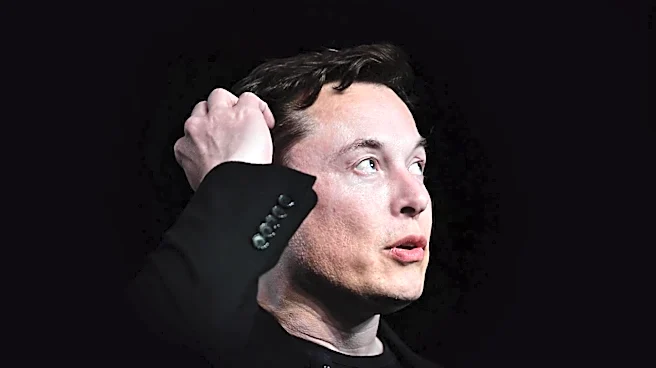
Elon Musk has publicly floated the idea of launching a competitor to Amazon.com, adding a new dimension to the evolving landscape of online shopping and artificial intelligence. This suggestion came in response to a post on X (formerly Twitter) claiming
that Amazon was blocking Grok bots from placing orders on its platform. While Musk did not provide specific details or announce concrete plans, his remarks highlight a growing tension between established e-commerce retailers and AI companies aiming to automate online purchases. Amazon has also reportedly blocked Meta's Muse AI shopping agent from its platform, indicating a broader conflict where retailers seek to maintain control over their marketplaces against AI tools designed to handle purchases on behalf of users. Amazon itself is actively developing its own AI-powered shopping tools. On the day of Musk's comments, Amazon shares experienced a 1.7% decline, attributed to a wider weakness in technology stocks rather than a direct reaction to his statement.
Why It's Important?
The potential entry of a new, Musk-backed competitor into the e-commerce space could significantly disrupt the market dominance currently held by Amazon. Such a venture would not only introduce a formidable rival but also intensify the ongoing 'AI shopping battle,' where companies are vying to control how consumers interact with online retail through artificial intelligence. If a platform backed by Musk's companies were to materialize, it would necessitate attracting a substantial number of merchants, establishing robust fulfillment and delivery networks, and ultimately persuading consumers to alter their established shopping habits. This development underscores the increasing influence of AI in retail, as AI companies explore ways for digital agents to manage purchases, compare prices, and complete transactions for users. The conflict between retailers and AI agents also raises questions about data access, market control, and the future of consumer autonomy in online shopping.
What's Next?
While Elon Musk's suggestion remains an idea without concrete plans, the coming months will likely see continued observation of whether this concept develops into a tangible competitive threat to Amazon. Key indicators to watch include any formal announcements from Musk or his associated companies regarding a new e-commerce platform, as well as efforts to attract merchants and build the necessary infrastructure for a viable alternative. The broader conflict between e-commerce giants and AI shopping agents is also expected to escalate, with both sides continuing to develop their own AI capabilities and potentially implementing new policies regarding third-party AI access. Investors will be closely monitoring Amazon's stock performance for any signs of impact from potential new competition or shifts in the AI retail landscape. The evolution of AI-powered shopping tools and their integration into or exclusion from major retail platforms will be a significant trend to follow.
Beyond the Headlines
This development touches upon deeper implications concerning the future of consumer behavior, market competition, and the ethical considerations of artificial intelligence in commerce. The rise of AI shopping agents, designed to search for deals and make purchases, could fundamentally alter how consumers discover products and make purchasing decisions, potentially reducing direct engagement with retailer websites. This shift raises questions about brand loyalty, personalized advertising, and the potential for AI algorithms to influence consumer choices. Furthermore, the conflict between retailers and AI companies over access to marketplaces highlights a struggle for control over the digital storefront and customer data. The ethical dimension of AI making purchasing decisions on behalf of users, including issues of transparency, data privacy, and potential algorithmic biases, will become increasingly pertinent as these technologies advance. The long-term impact could reshape the entire e-commerce ecosystem, fostering new business models and regulatory challenges.