


What's Happening?
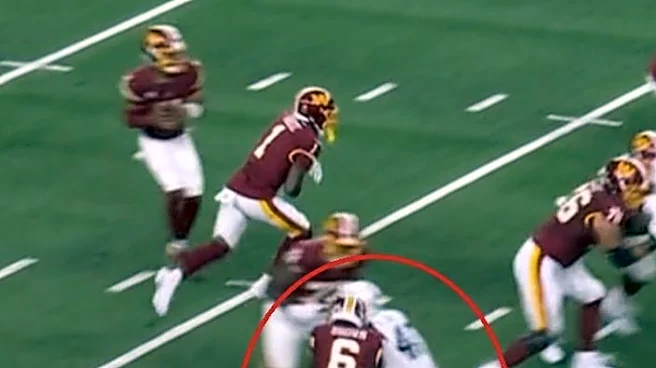
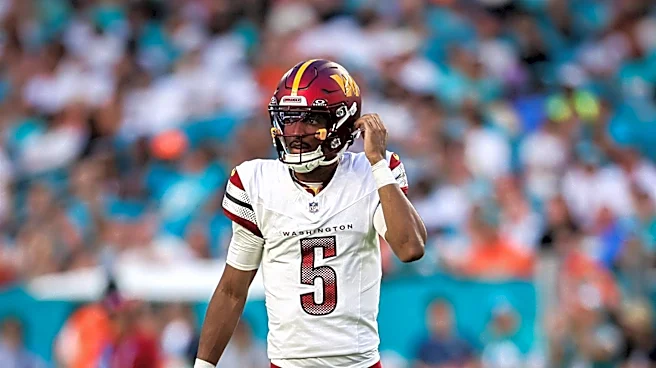
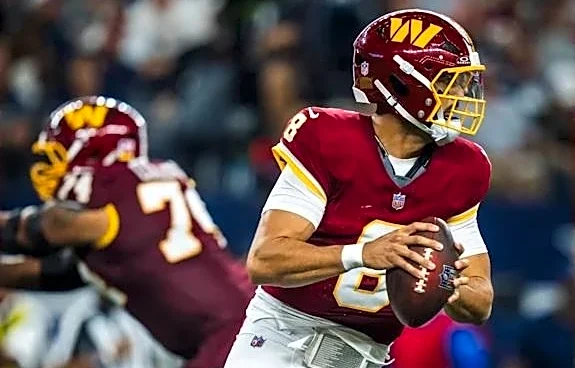
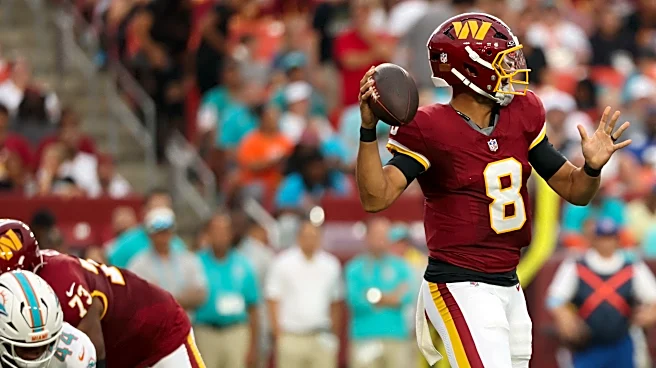
Washington Commanders players have pushed back against a social media narrative suggesting they abandoned quarterback Jayden Daniels after he sustained a dislocated left elbow on the final play of the first half. The narrative emerged from a Fox broadcast
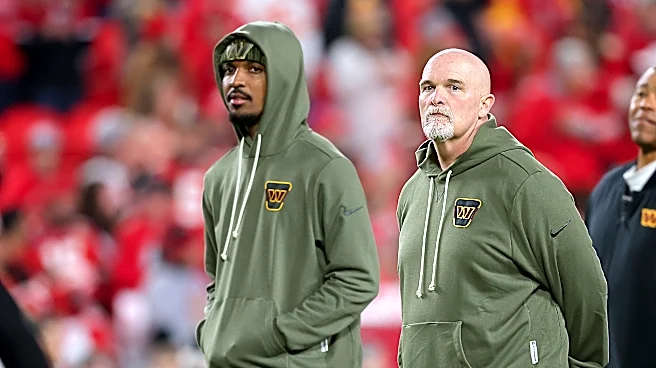
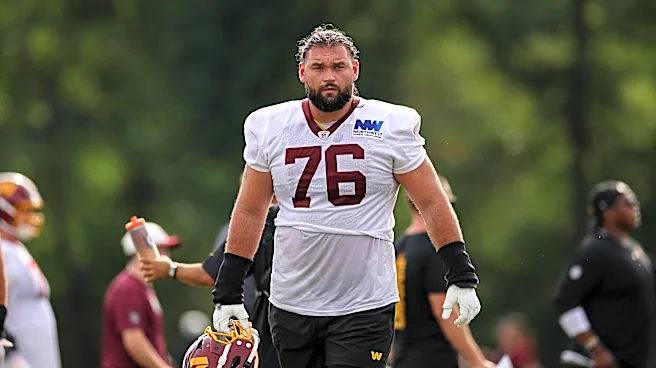
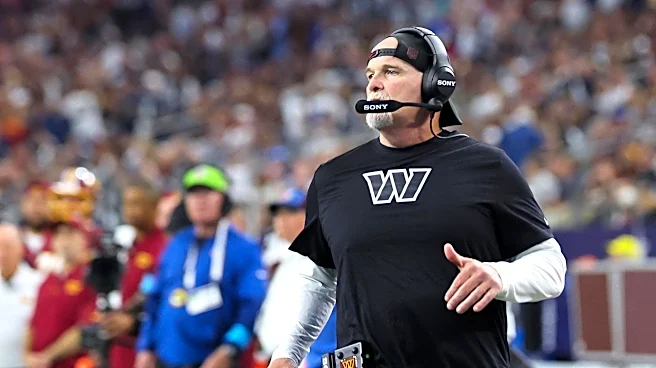
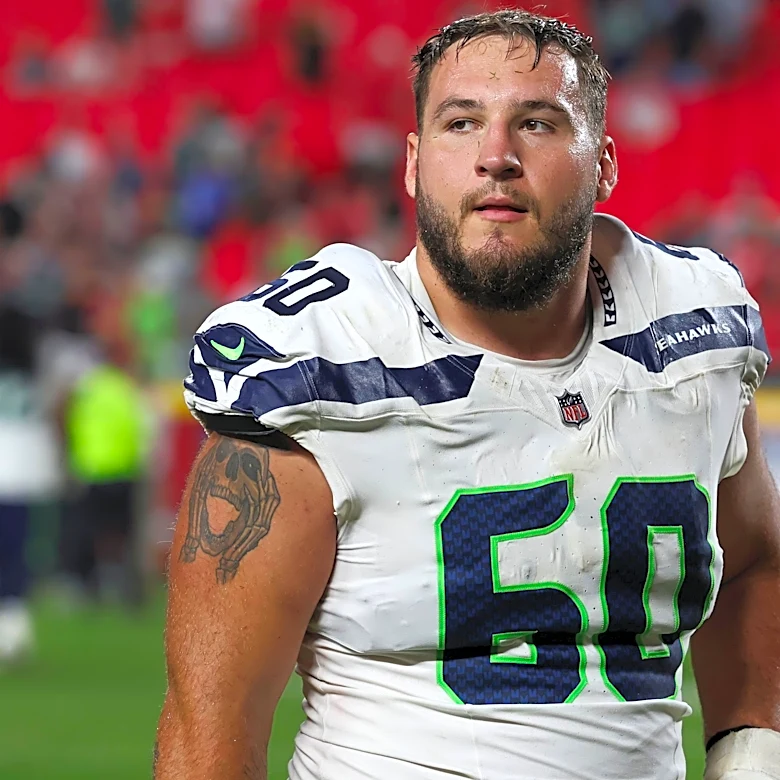
clip showing some teammates walking towards the locker room while Daniels was being attended to by medical personnel. Left tackle Brandon Coleman called the narrative "bullshit," emphasizing that Daniels is their guy and there was no malice. Coach Dan Quinn stated that the reality was the "opposite" of the narrative, explaining that referees urged players off the field for halftime. Many players reportedly stayed on the sideline or returned to Daniels' side after his elbow was reset, with Coleman and lineman Josh Conerly Jr. being among the last to leave.
Why It's Important?
This incident highlights the significant impact of social media and broadcast narratives on public perception, particularly in high-profile sports like the NFL. The rapid spread of a potentially misleading narrative can quickly damage team morale and public image, even if based on incomplete visual information. For the Commanders, refuting this narrative is crucial for maintaining team unity and supporting their franchise quarterback. A perception of abandonment could undermine trust within the team and affect fan confidence. The situation also underscores the challenges faced by sports organizations in managing public relations in the age of instant information and viral content, where a brief clip can overshadow the full context of an event.
What's Next?
The Commanders' immediate focus will be on Jayden Daniels' recovery and ensuring team cohesion. The public statements from players and Coach Quinn aim to control the narrative and reinforce the team's support for Daniels. Moving forward, the team will likely be more conscious of how their actions are perceived on camera, especially during critical moments like player injuries. This event may also prompt broader discussions within sports media about responsible reporting and the potential for misinterpretation of isolated clips. For fans, the response from the team will either solidify or challenge their trust in the organization's internal dynamics and commitment to its players.
Beyond the Headlines
This situation delves into the psychological and social aspects of team sports, particularly the concept of brotherhood and loyalty among athletes. The strong reactions from players like Brandon Coleman indicate the deep personal bonds formed within a team and the offense taken when those bonds are publicly questioned. It also touches on the ethical responsibilities of broadcasters and social media users to present a complete and accurate picture, rather than contributing to potentially harmful narratives. The incident serves as a reminder that behind the spectacle of professional sports are human relationships that can be significantly impacted by public perception and media portrayal, emphasizing the need for empathy and understanding in interpreting on-field events.