




What's Happening?
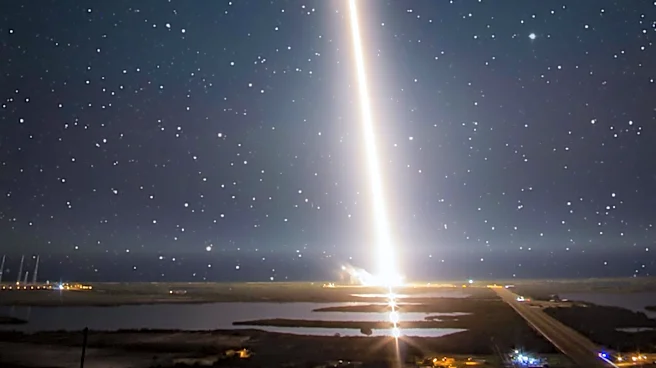
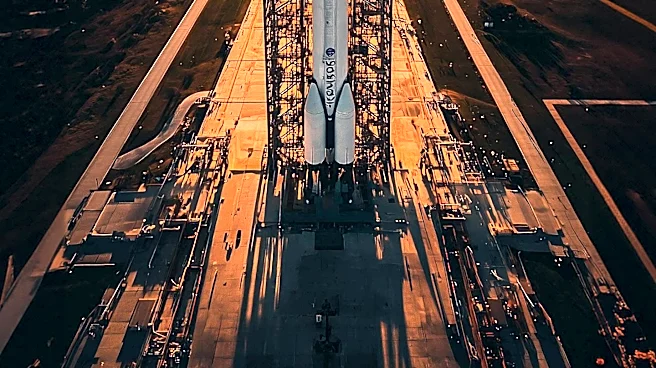
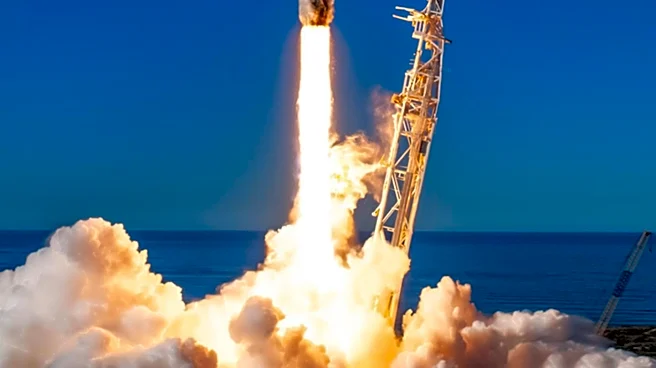
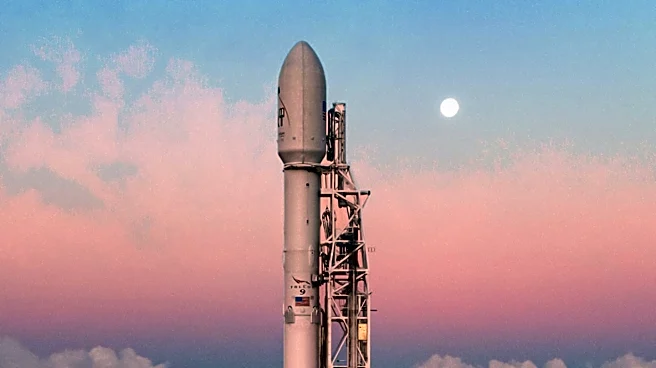
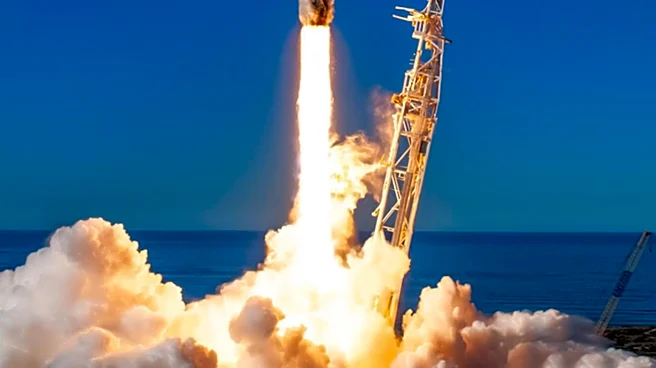
SpaceX successfully launched 24 Starlink internet satellites into low Earth orbit on July 31, 2026. The launch took place from Vandenberg Space Force Base in California using a Falcon 9 rocket. This mission marks the 89th Falcon 9 launch of the year,
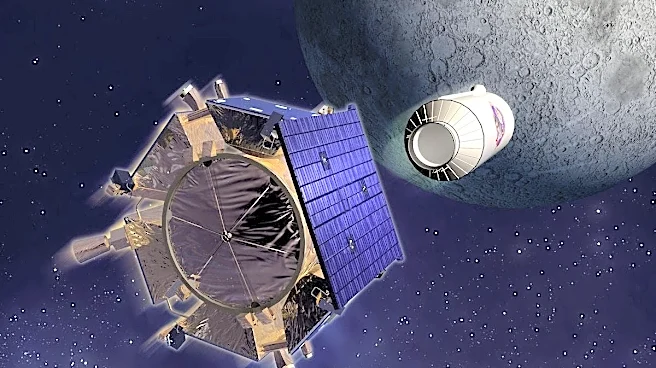
with 69 of these missions dedicated to deploying Starlink satellites. The Falcon 9 rocket's first stage, designated B1081, completed its 26th mission and successfully landed on the droneship 'Of Course I Still Love You' in the Pacific Ocean. The deployment of these satellites adds to the existing Starlink megaconstellation, which now comprises over 10,800 satellites, making it the largest satellite network ever assembled.
Why It's Important?
The expansion of the Starlink satellite network is significant for global internet connectivity, particularly in remote and underserved areas. By increasing the number of satellites, SpaceX aims to enhance the coverage and reliability of its broadband services. This development is crucial for bridging the digital divide, providing high-speed internet access to regions lacking traditional infrastructure. Additionally, the successful reuse of the Falcon 9 rocket's first stage demonstrates SpaceX's commitment to cost-effective and sustainable space operations, potentially lowering the cost of future launches and making space more accessible.
What's Next?
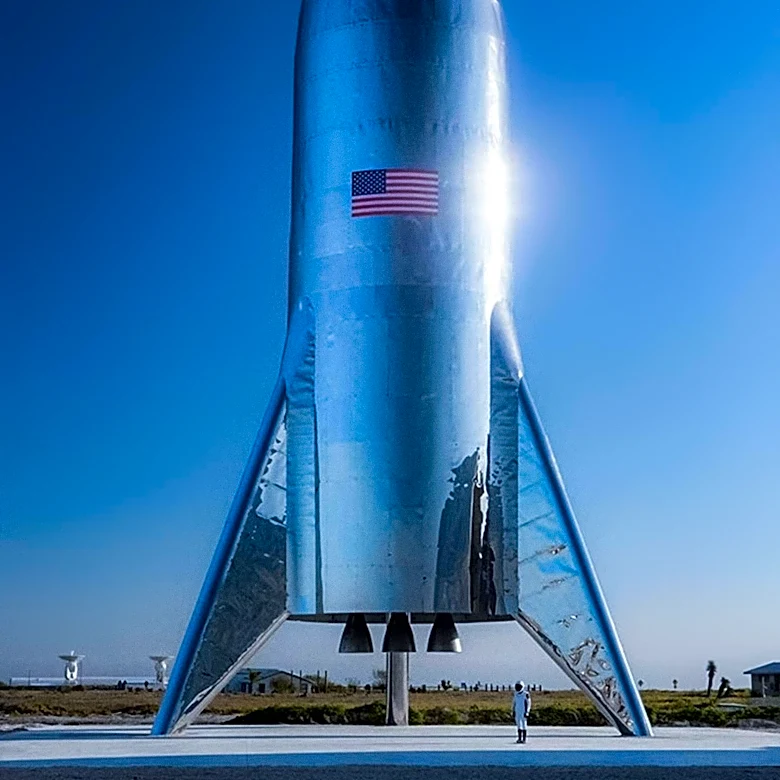
SpaceX is expected to continue its aggressive launch schedule, further expanding the Starlink constellation. The company plans to conduct additional Falcon 9 missions throughout the year, with a focus on increasing the network's capacity and coverage. As the constellation grows, SpaceX may face regulatory challenges related to space traffic management and orbital debris. The company will need to work closely with international space agencies to ensure the safe and sustainable use of low Earth orbit. Additionally, SpaceX's ongoing development of the Starship rocket could play a role in future satellite deployments, offering greater payload capacity and reusability.
Beyond the Headlines
The rapid expansion of the Starlink network raises questions about the long-term impact on the night sky and astronomical observations. The increased number of satellites could contribute to light pollution, affecting the visibility of stars and celestial events. This has prompted discussions within the scientific community about the need for regulations to mitigate the impact on astronomy. Furthermore, the growing presence of private companies in space highlights the need for updated international space laws to address issues such as satellite collisions and space debris management.