

What's Happening?
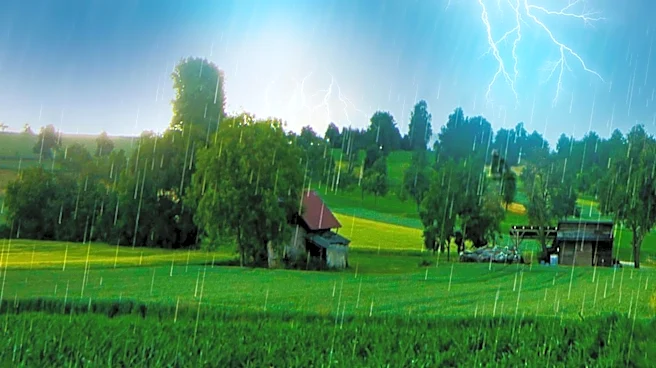
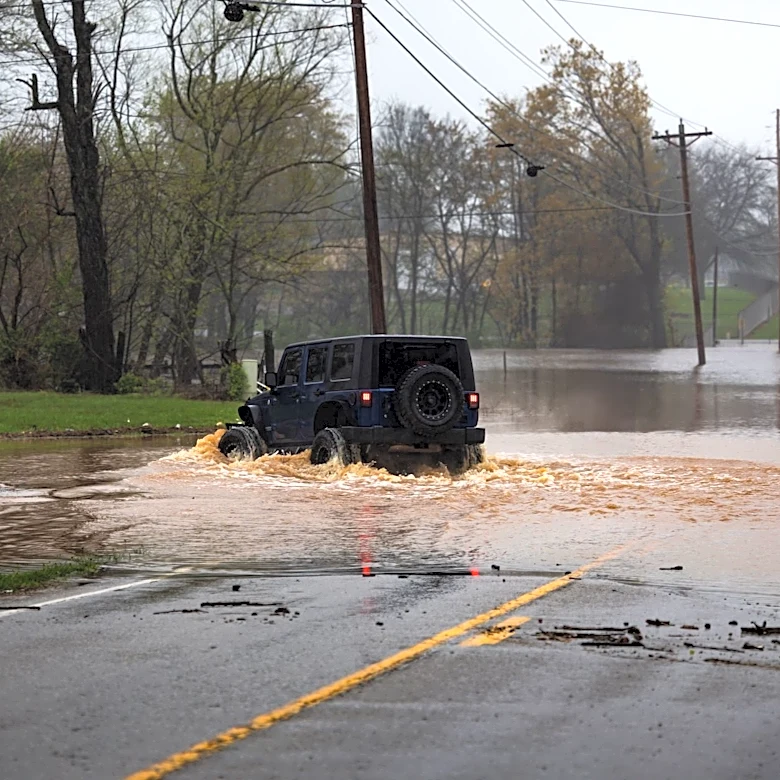
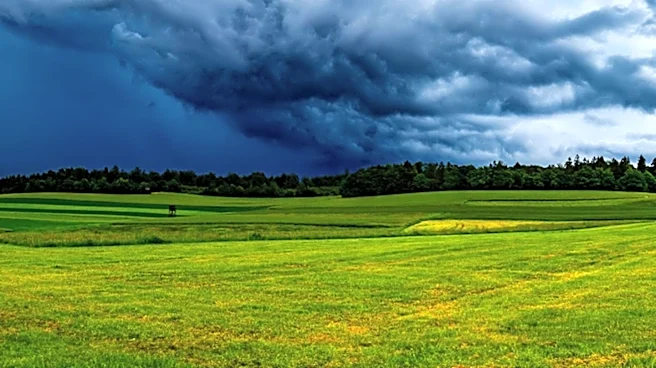
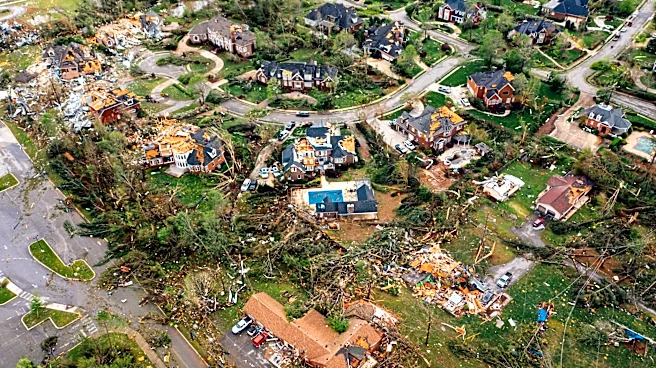
Severe thunderstorms, characterized by convective storms with hail, lightning, and strong winds, caused approximately $82 billion in global economic losses in 2025, with the majority occurring in the United States. These storms have become more costly
than hurricanes, accounting for nearly one-third of all natural catastrophe losses worldwide. The increase in frequency and severity of these storms is attributed to climate change, which has led to rising global temperatures and increased atmospheric moisture. This trend has significant implications for insurance markets and property owners.
Why It's Important?
The rising cost and frequency of severe thunderstorms pose a significant challenge to the insurance industry and property owners. As these storms become more common, they contribute to higher insurance premiums and increased financial risk for homeowners. The insurance market may face pressure to adjust coverage options and pricing, potentially leading to reduced availability of insurance in high-risk areas. This situation underscores the need for climate adaptation strategies and improved risk management to mitigate the financial impact of severe weather events.
What's Next?
As the insurance industry grapples with the growing impact of severe thunderstorms, there may be a push for policy changes and increased investment in climate resilience measures. Homeowners in high-risk areas might be encouraged to adopt protective measures, such as impact-resistant roofing and reinforced structures, to reduce potential damage. Additionally, there could be calls for more comprehensive climate risk assessments and the development of new insurance products tailored to address the unique challenges posed by severe convective storms.