





What's Happening?
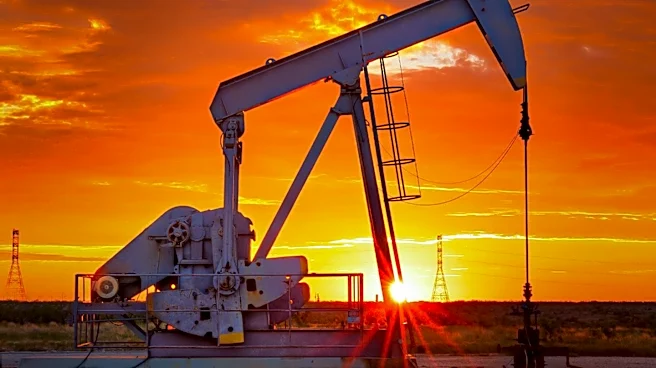
President Donald Trump has expressed frustration with major oil companies, accusing them of profiting excessively from the ongoing Iran war. The conflict has led to a significant oil shortage, as the Iranian regime has closed the Strait of Hormuz, a crucial
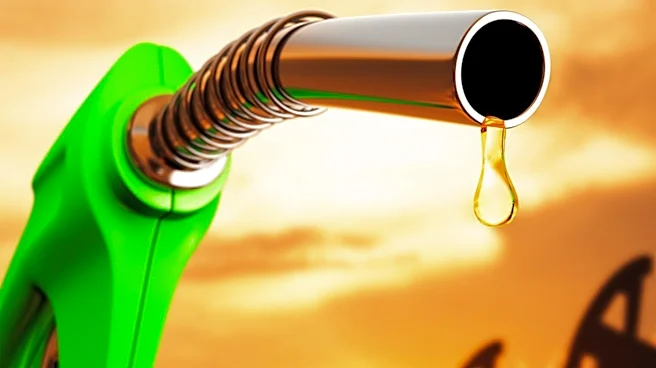
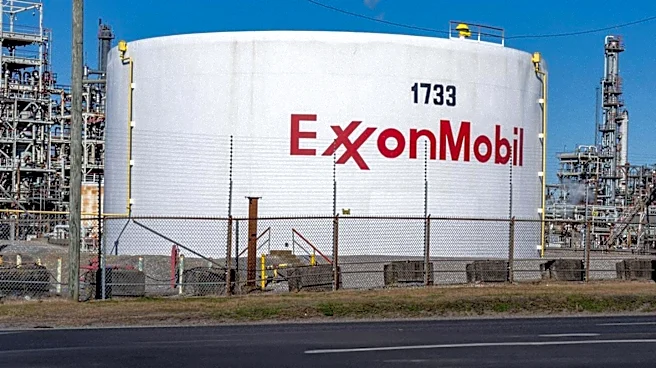
passage for global crude oil transport. This has resulted in elevated fuel prices, with the national average retail gas price reaching $4.56 per gallon in May. Despite the high prices, oil companies like Chevron and ExxonMobil have reported substantial earnings, with Chevron's profits rising to $12 billion and Exxon's to $14.7 billion in the second quarter. Trump has called for these companies to reduce retail prices and return some profits to the public, though he did not specify how this should be done.
Why It's Important?
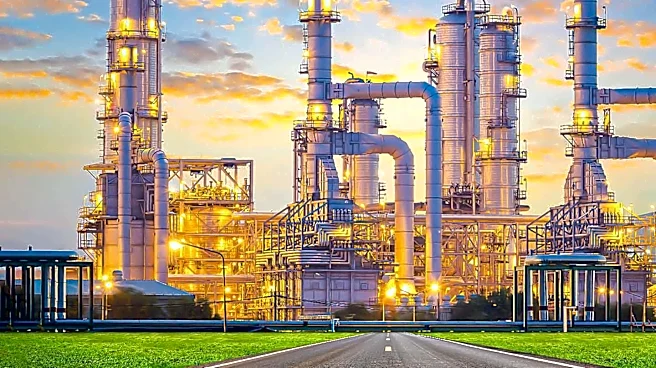
The situation highlights the complex dynamics of global oil markets and the impact of geopolitical events on domestic fuel prices. The closure of the Strait of Hormuz has disrupted oil supply chains, leading to increased refining margins and profits for oil companies. This has sparked debate over the role of major oil companies in setting fuel prices and their responsibility to consumers. The high profits reported by these companies during a time of economic strain for many Americans have drawn criticism and calls for regulatory scrutiny. The issue also underscores the vulnerability of global oil supply chains to geopolitical tensions and the potential for significant economic impacts.
What's Next?
The ongoing conflict in Iran and its impact on oil supply chains are likely to continue influencing fuel prices and refining margins. President Trump's comments may lead to increased political pressure on oil companies to address consumer concerns about high fuel prices. Additionally, there may be calls for policy measures to enhance energy security and reduce dependence on volatile regions for oil supply. The situation could also prompt discussions on alternative energy sources and the need for investment in domestic refining capacity to mitigate future supply disruptions.