



What's Happening?
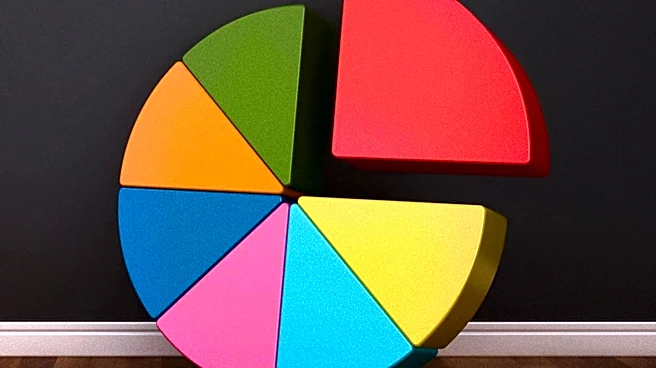
The Federal Reserve's methods for measuring inflation are under scrutiny as Americans continue to experience high prices in their daily lives. The Fed's preferred measure, the Personal Consumption Expenditures (PCE) index, showed a 3.7% inflation rate
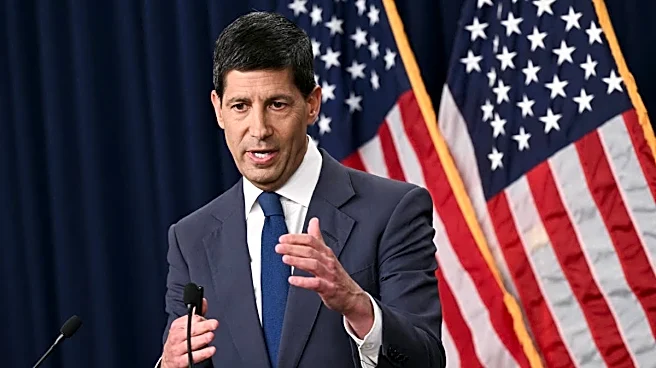
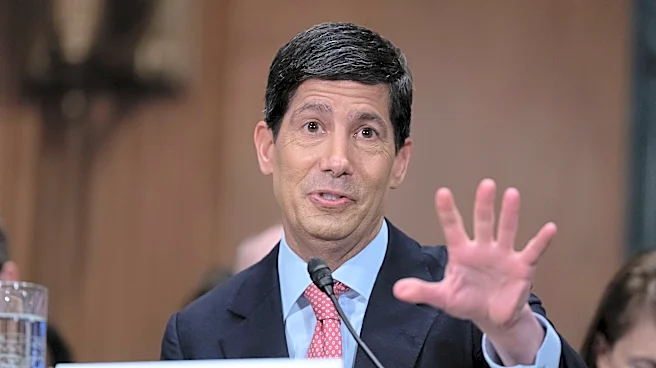
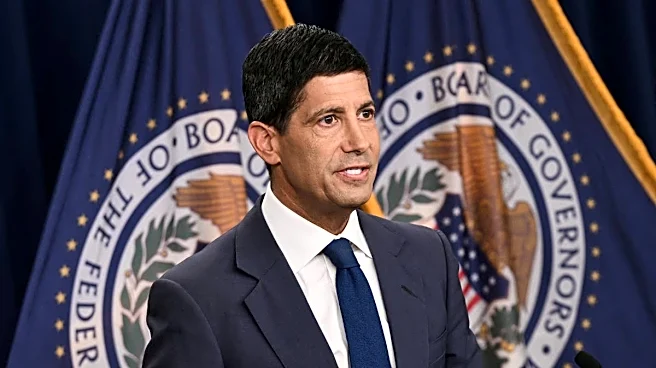
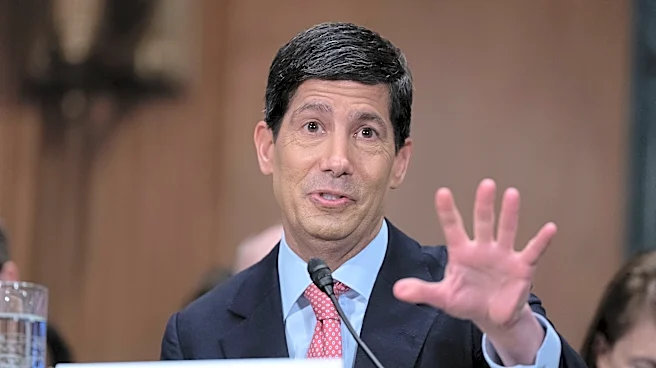
in June 2026, while the core PCE, excluding food and energy, was 3.3%. These figures highlight the complexity of measuring inflation, as different indices can yield varying results. Fed Chair Kevin Warsh emphasized the importance of understanding which price changes are likely to persist, as the central bank aims to achieve its 2% inflation target.
Why It's Important?
The debate over the best method to measure inflation is significant as it influences the Federal Reserve's monetary policy decisions. Accurate inflation measurement is crucial for setting interest rates, which affect borrowing costs, consumer spending, and economic growth. The Fed's approach to inflation measurement can impact government benefits, tax brackets, and wage negotiations. As the central bank reassesses its methods, the outcome could shape future policy decisions and affect the financial security of households and businesses.
What's Next?
The Federal Reserve is expected to continue evaluating its inflation measurement methods to ensure they accurately reflect economic conditions. The central bank's task forces are exploring potential changes to how inflation is measured, which could influence future policy decisions. Market participants and policymakers will closely monitor the Fed's actions and communications for insights into potential shifts in monetary policy. The ongoing debate over inflation measurement underscores the importance of accurate data in guiding economic decisions and maintaining price stability.