


What's Happening?
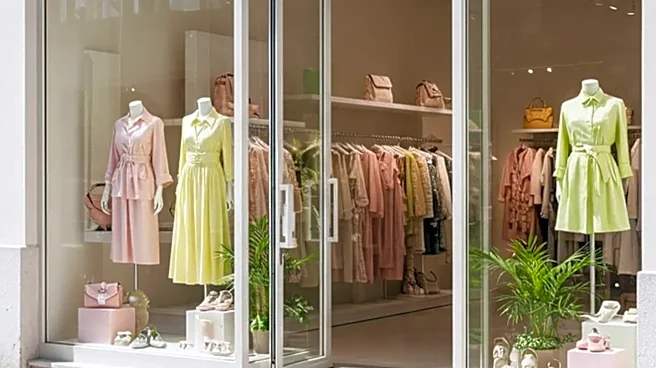
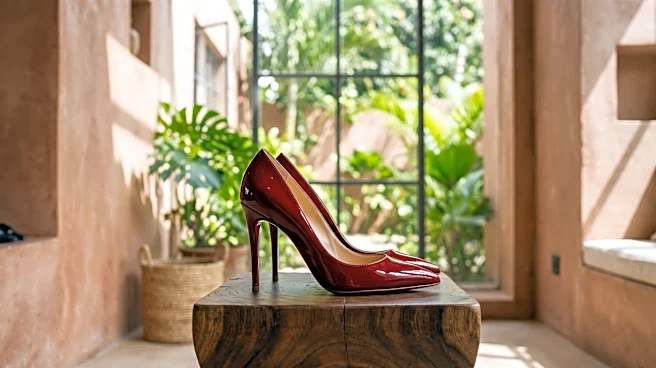
Leading luxury fashion houses are increasingly moving beyond apparel to establish a significant presence in the homeware and interior design markets. This strategic expansion is transforming how luxury is perceived, shifting from seasonal fashion purchases
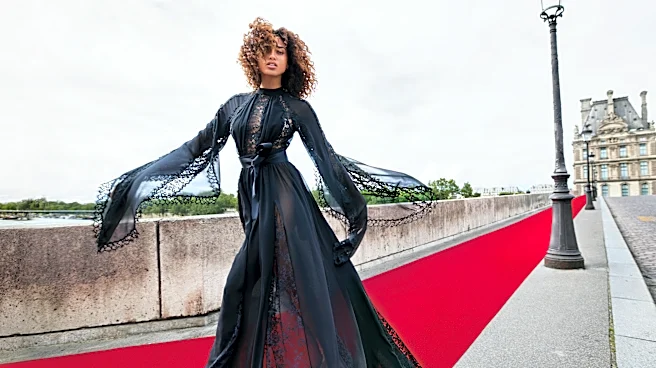
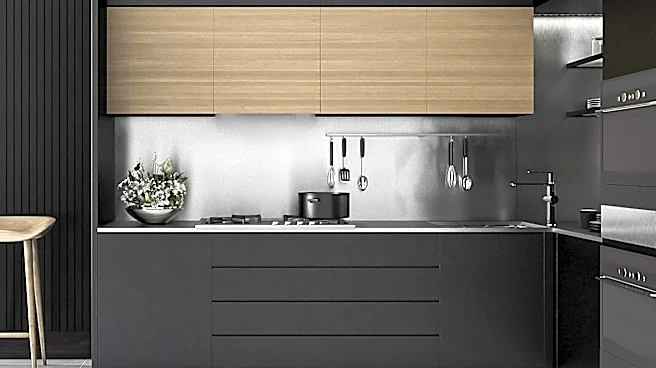
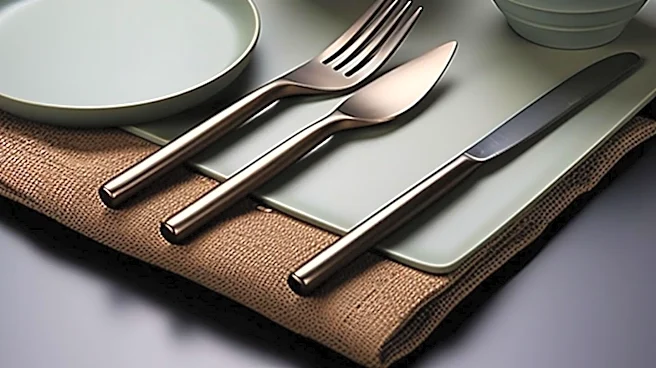
to enduring lifestyle experiences. Brands like Hermès, Dolce & Gabbana, Armani/Casa, Elie Saab, Louis Vuitton, and Dior Maison are applying their signature aesthetics, materials, and craftsmanship to home furnishings, decor, and even entire residences. This trend is driven by a desire to offer consumers a complete immersion into their brand's aesthetic, making luxury an integral part of their living environment rather than just an occasional acquisition. The offerings range from Hermès's minimalist oak pieces and silk wallpaper to Dolce & Gabbana's maximalist designs featuring gold leaf and Mediterranean motifs, and Armani/Casa's architectural minimalism with greige palettes. Louis Vuitton focuses on nomadic living with its Objets Nomades line, while Dior Maison emphasizes entertaining and domestic intimacy.
Why It's Important?
This shift is important because it signifies a fundamental evolution in luxury branding and consumer expectations. For U.S. consumers, it means a broader array of high-end options for home decor, allowing them to curate living spaces that reflect a specific luxury aesthetic. For the luxury market, it opens new revenue streams and strengthens brand loyalty by integrating the brand into daily life. This strategy creates a continuous loop of engagement, as consumers who appreciate a brand's fashion may now extend that appreciation to their home environment. It also blurs the lines between fashion and interior design, potentially influencing trends in both sectors. Brands that successfully translate their identity into homeware stand to gain a more entrenched position in the luxury lifestyle market, while those that fail to resonate may struggle to justify their expansion into this more permanent and structural domain.
Beyond the Headlines
The expansion of haute couture into homeware reflects a deeper cultural trend where personal identity is increasingly expressed through curated living spaces. This development raises questions about the accessibility and democratization of luxury, as these homeware lines, while exclusive, offer a different entry point than high fashion. It also highlights the growing importance of 'lifestyle' as a marketable concept, where brands aim to sell not just products, but an entire way of living. The emphasis on craftsmanship and unique design in homeware could also influence broader consumer preferences, encouraging a greater appreciation for quality and artistry in everyday objects. This trend could lead to increased collaborations between fashion designers and architects, further integrating these previously distinct creative fields.