







What's Happening?
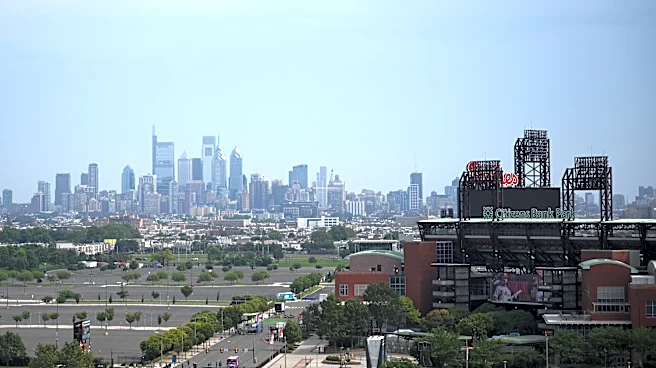
South Philadelphia has released an extensive neighborhood guide detailing attractions, dining options, and activities across its diverse districts. The guide covers seven distinct neighborhoods: Bella Vista and the Italian Market, Queen Village and South Street,
East Passyunk, Pennsport and Two Street, Point Breeze, Girard Estate, Packer Park, FDR Park, and The Stadium District and the Navy Yard. Each section provides information on top stops, free activities, kid-friendly options, and recommended eateries. For instance, the Italian Market, established in the mid-1880s, is highlighted as the nation's oldest outdoor market. East Passyunk Avenue is noted for its array of restaurants, including the iconic Pat's King of Steaks and Geno's Steaks. The guide also features cultural landmarks like Philadelphia's Magic Gardens and historical sites such as Gloria Dei (Old Swedes') Church, Pennsylvania's oldest church building. Practical advice on transportation, including SEPTA's Broad Street Line (B) and bus routes, is also included, along with a calendar of annual events like the Mummers Parade and various street festivals.
Why It's Important?
This comprehensive guide is significant for several reasons. For tourists, it simplifies planning visits to South Philadelphia, offering curated itineraries and practical information that can enhance their experience and encourage longer stays. This could lead to increased foot traffic and revenue for local businesses, including restaurants, shops, and cultural institutions, thereby boosting the local economy. For residents, the guide serves as a valuable resource for exploring their own city, potentially fostering a greater sense of community pride and engagement with local attractions. By highlighting free activities and family-friendly options, it also makes South Philadelphia more accessible to a wider demographic. The detailed transportation information aims to reduce reliance on private vehicles, promoting public transit use and potentially easing traffic congestion in popular areas. Furthermore, by showcasing the unique character of each neighborhood, the guide helps preserve and promote South Philadelphia's rich cultural heritage and diverse offerings.
What's Next?
The release of this guide is likely to be followed by promotional efforts from local tourism boards and business improvement districts to disseminate the information widely. This could include digital campaigns, partnerships with travel influencers, and distribution of physical copies at hotels and visitor centers. Local businesses may experience an uptick in patronage, especially those highlighted in the guide, leading to potential adjustments in staffing and inventory to meet increased demand. City officials and community organizations will likely monitor the guide's impact on local tourism and economic activity, using feedback to refine future editions or develop similar initiatives for other parts of Philadelphia. There may also be an increased focus on maintaining and improving the infrastructure around popular attractions to accommodate more visitors, such as public restrooms, signage, and pedestrian pathways. Additionally, the guide could inspire local entrepreneurs to develop new businesses or services that cater to the highlighted attractions and visitor needs.
Beyond the Headlines
Beyond its immediate utility as a travel resource, this guide reflects a broader trend in urban development towards hyper-localization and experiential tourism. In an era where travelers seek authentic and immersive experiences, detailed neighborhood guides like this become crucial tools for showcasing the unique character and hidden gems of a city. It also underscores the importance of local businesses and cultural institutions in defining a city's identity and appeal. The guide's emphasis on historical sites and long-standing establishments, such as the Italian Market and century-old bakeries, highlights the value placed on heritage preservation and the continuity of local traditions. Ethically, such guides can help distribute tourist traffic more evenly across different neighborhoods, preventing over-tourism in certain areas while boosting economic activity in others. It also subtly encourages a more sustainable form of tourism by promoting walking, public transport, and engagement with local communities, fostering a deeper appreciation for the city's social and cultural fabric.