


What's Happening?
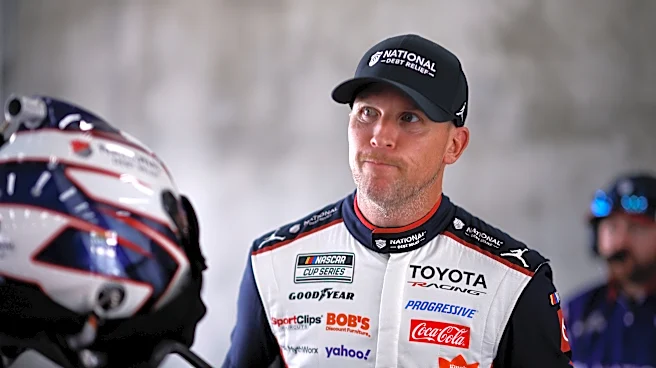
In the 2026 NASCAR Cup Series, a shift is occurring as younger drivers like Ty Gibbs, Carson Hocevar, and Corey Heim gain prominence. Corey Heim, with two wins at age 24, is set to begin his full-time Cup career next year. In contrast, Trackhouse Racing's
rookie Connor Zilisch, despite having more Cup starts, has not achieved similar success. NASCAR veteran Kyle Petty attributes this disparity to the competitive gap between their teams. 23XI Racing, with strong support from Toyota and Joe Gibbs Racing, has provided Heim with superior equipment, enhancing his performance. Meanwhile, Trackhouse Racing, lacking a similar alliance with Chevrolet's premier team, has struggled to provide Zilisch with competitive cars, limiting his potential.
Why It's Important?
This situation underscores the significant impact of team alliances and equipment quality on a driver's career trajectory in NASCAR. The support from a major manufacturer like Toyota can provide teams with the resources needed to develop competitive cars, which in turn enhances a driver's performance and career prospects. For Zilisch, the lack of such support has hindered his ability to showcase his full potential, highlighting the challenges faced by teams without strong manufacturer backing. This dynamic could influence future decisions by teams and manufacturers regarding alliances and resource allocation.
What's Next?
As the season progresses, the performance of drivers like Heim and Zilisch will continue to be closely watched. For Zilisch, improving his standings will require strategic adjustments by Trackhouse Racing, potentially including seeking stronger alliances or technical partnerships. The outcomes of these efforts could shape the team's future competitiveness and Zilisch's career development. Meanwhile, Heim's continued success could solidify 23XI Racing's position as a leading team in the series, influencing their strategic decisions and driver development plans.