






What's Happening?
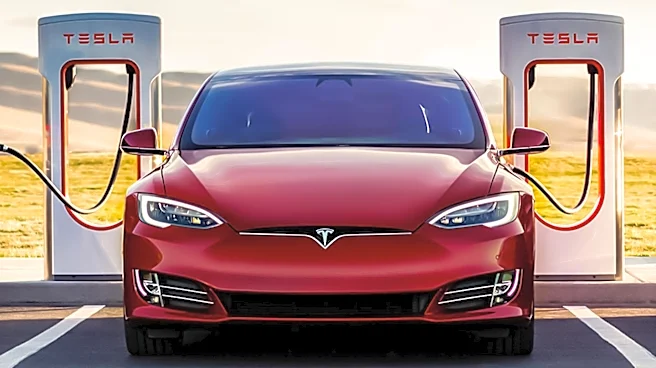
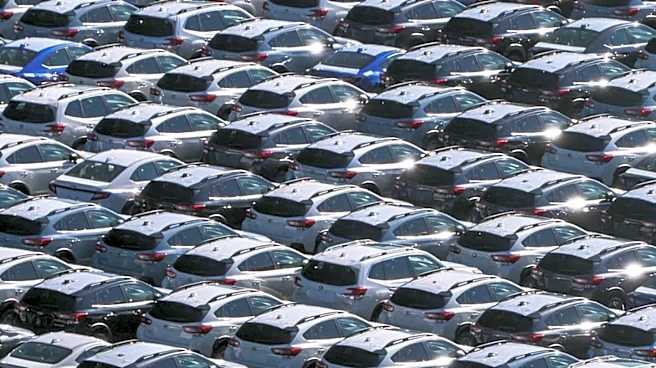
Tesla's vehicle deliveries in China fell by nearly 33% year-on-year in July, with only 27,249 units sold. This decline contrasts with a record high in exports from Tesla's Shanghai plant, which shipped 66,330 vehicles abroad in the same month. The increase
in exports, up 143.24% from the previous year, highlights Tesla's growing reliance on overseas markets. The Shanghai plant's exports accounted for 70.88% of Tesla China's wholesale sales in July, marking the highest share since January. Despite the drop in domestic sales, Tesla's overall wholesale sales in China reached 93,579 vehicles, a 37.85% increase year-on-year.
Why It's Important?
The shift in Tesla's China operations from domestic sales to exports underscores the company's strategic pivot in response to changing market dynamics. The decline in local deliveries may reflect increased competition in China's electric vehicle market or changing consumer preferences. Meanwhile, the record export numbers suggest that Tesla is successfully leveraging its Shanghai plant to meet international demand. This strategy could help Tesla maintain its global market position, but it also highlights the challenges of sustaining growth in the competitive Chinese market. The company's ability to balance domestic and international sales will be crucial for its long-term success.
What's Next?
Tesla's focus on exports from its Shanghai plant is likely to continue as the company seeks to capitalize on international demand. However, Tesla will need to address the factors contributing to the decline in domestic sales to maintain its market share in China. The company's future performance in China will depend on its ability to adapt to local market conditions and consumer preferences. Additionally, any potential changes in trade policies or international relations could impact Tesla's export strategy. Stakeholders will be watching closely to see how Tesla navigates these challenges and opportunities.