






What's Happening?
Custom home builders in Maryland are increasingly focusing on energy-efficient construction, going beyond minimum state building codes to deliver superior indoor air quality and lower utility costs. This involves implementing advanced building science
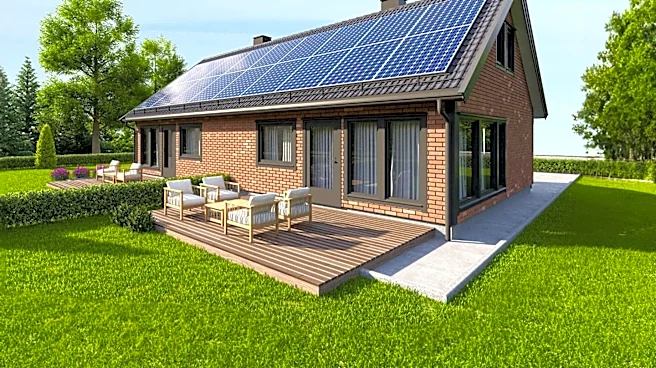
techniques such as aggressive air sealing, continuous thermal insulation, and precision HVAC engineering. Key strategies include applying specialized sealants and fluid-applied membranes to prevent drafts, installing rigid foam board insulation to break thermal bridges, and conducting blower door tests to verify airtightness. For HVAC, builders are using right-sized, variable-capacity systems like variable-refrigerant flow (VRF) technology and multi-stage heat pumps, along with Energy Recovery Ventilators (ERVs) for fresh air exchange. High-performance glazing and solar-ready designs, including optimized roof orientation and pre-wired electrical pathways for future solar panels, are also integral to these homes.
Why It's Important?
This shift towards building energy-efficient custom homes in Maryland is significant for the U.S. construction industry and homeowners. It demonstrates a growing market demand for homes that offer long-term operational savings and enhanced comfort, pushing builders to adopt more advanced and sustainable practices. For homeowners, this means not only reduced monthly utility bills but also improved indoor air quality and a more consistent internal climate. For the industry, it fosters innovation in building materials, HVAC systems, and construction techniques, creating a competitive advantage for builders who specialize in high-performance homes. This trend also contributes to broader energy conservation goals and reduces the carbon footprint of residential buildings in the U.S.
What's Next?
The emphasis on energy efficiency in Maryland's custom home market is expected to drive further adoption of advanced building science and sustainable technologies. This could lead to increased demand for skilled labor in specialized areas like air sealing and HVAC engineering. Future developments may include more stringent local and state building codes that incorporate these higher standards, as well as greater integration of smart home systems that optimize energy usage. The success of these projects could also encourage financial incentives for homeowners and builders to invest in energy-efficient features, potentially making such homes more accessible to a wider market. The focus on solar-ready designs suggests a future where renewable energy integration becomes a standard feature in new constructions.
Beyond the Headlines
The move towards building beyond code for energy efficiency in Maryland highlights a deeper commitment to environmental stewardship within the construction sector. This isn't just about cost savings; it's about creating healthier living environments and reducing ecological impact. Ethically, it reflects a responsibility to build homes that are sustainable for future generations. Legally, it could pave the way for new certifications and regulatory frameworks that reward or mandate high-performance building. Culturally, it reinforces the idea that comfort and luxury can coexist with environmental consciousness, potentially influencing consumer expectations and driving a broader societal shift towards more sustainable living practices.