






What's Happening?
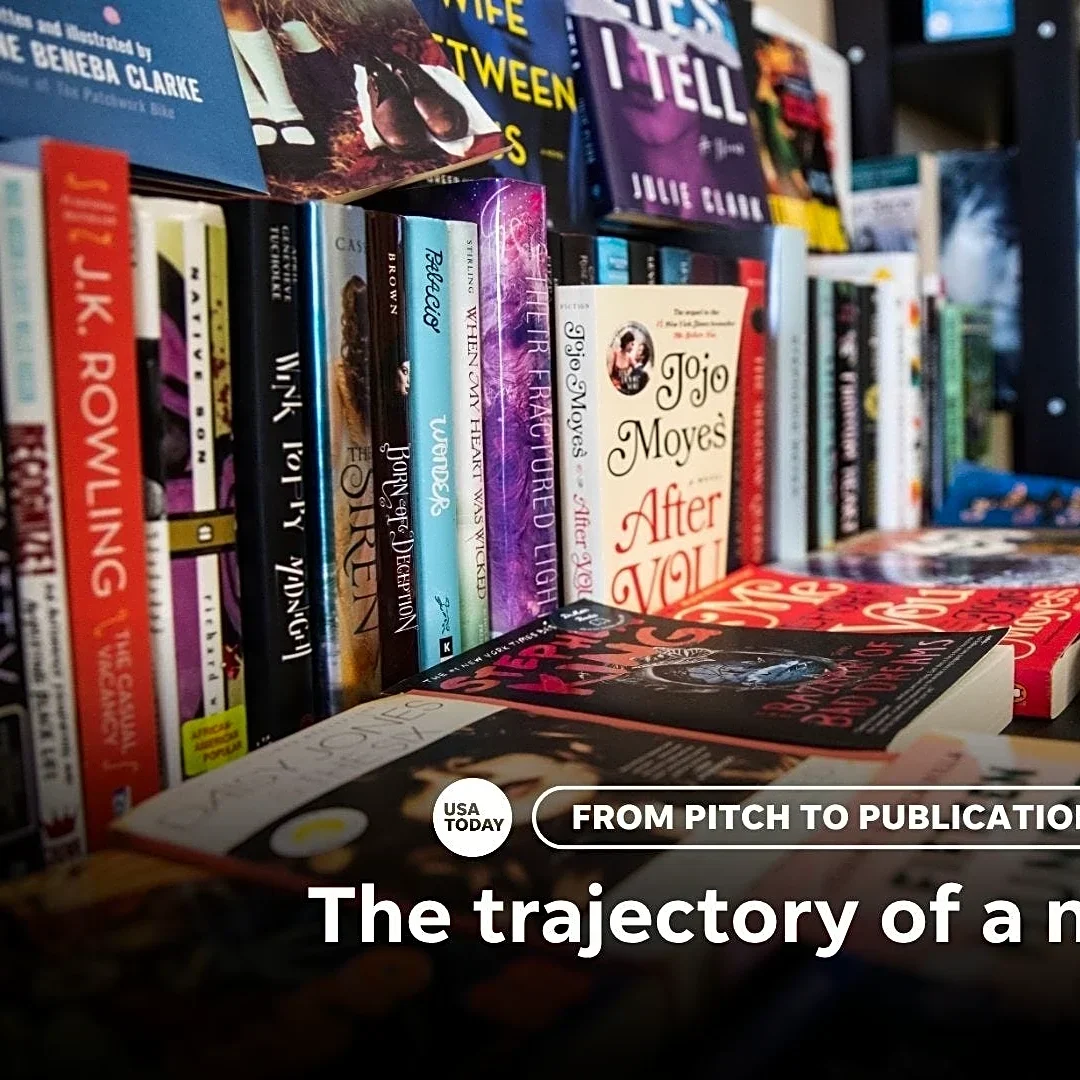
Several independent bookstores across the United States are being recognized for their distinct contributions to their local communities and the broader literary landscape. Clintonville Books offers a diverse selection of new, used, vintage, and rare
books, catering to a wide range of readers. Mavey Books, located in Ardmore, Pennsylvania, stands out as a BIPOC women-run establishment, emphasizing diversity and representation within the literary world. Scrawl Books in Reston is noted for its community engagement, hosting craft nights that bring people together beyond traditional book sales. These examples underscore the varied approaches independent bookstores take to serve their patrons and foster cultural activities. The broader context suggests a supportive environment for these establishments, with organizations like Literary Hub actively promoting independent bookstores.
Why It's Important?
The prominence of independent bookstores is crucial for fostering local economies and cultural enrichment across the U.S. Unlike large chain stores, independent bookstores often curate unique selections, reflecting the specific interests and demographics of their communities. They serve as vital community hubs, hosting events like author readings, book clubs, and craft nights, which strengthen social ties and promote literacy. The existence of BIPOC women-run bookstores, such as Mavey Books, is particularly significant as it promotes diversity in literature and provides platforms for underrepresented voices. The support from organizations like Literary Hub further highlights the recognized value of these businesses in maintaining a vibrant and diverse literary ecosystem, offering alternatives to online retailers and mass-market booksellers.
What's Next?
The continued emphasis on community engagement and unique offerings is likely to be a key strategy for independent bookstores moving forward. Stores like Scrawl Books, with their craft nights, demonstrate a model for attracting customers beyond traditional book purchases, potentially inspiring other independent bookstores to diversify their services. The success of establishments like Mavey Books could encourage the growth of more niche and identity-focused bookstores, further enriching the literary landscape. Support from literary organizations and local communities will remain critical for the sustainability and growth of these businesses, ensuring they can continue to compete with larger retailers and online platforms. Future trends may also see increased collaboration among independent bookstores to share resources and marketing efforts.
Beyond the Headlines
The role of independent bookstores extends beyond commerce; they are often cultural anchors that reflect and shape the intellectual and social fabric of their neighborhoods. Their curated collections and personalized recommendations offer a counter-narrative to algorithm-driven suggestions, fostering serendipitous discovery and deeper engagement with literature. The rise of BIPOC women-run bookstores signifies a broader movement towards inclusivity and representation within the publishing industry, challenging traditional gatekeepers and promoting a more equitable literary landscape. These stores often become safe spaces for dialogue and community building, contributing to civic life in ways that larger commercial entities cannot. Their resilience in the face of digital disruption speaks to the enduring human need for physical spaces dedicated to books and intellectual exchange.