







What's Happening?
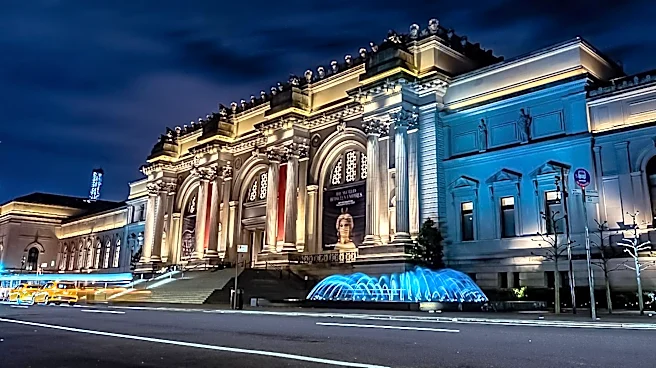
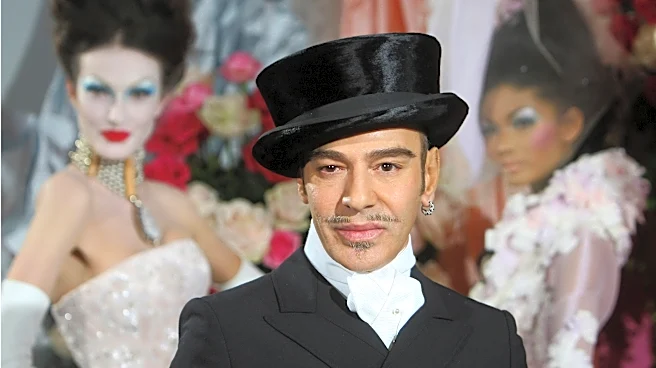
The 2027 Met Gala will focus on the work of John Galliano, a renowned yet controversial fashion designer. The exhibition, titled 'John Galliano: Horizons,' will showcase his extensive career, from his early days at Central Saint Martins to his recent
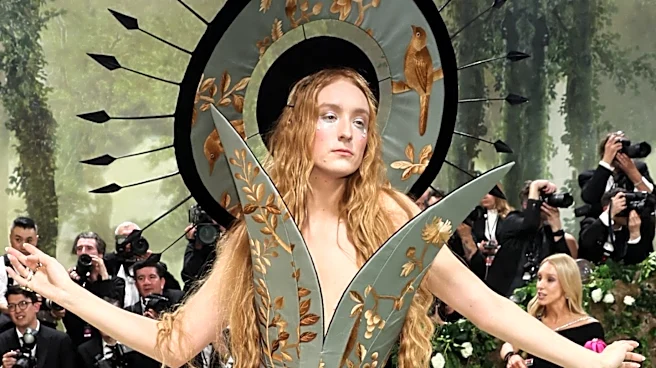
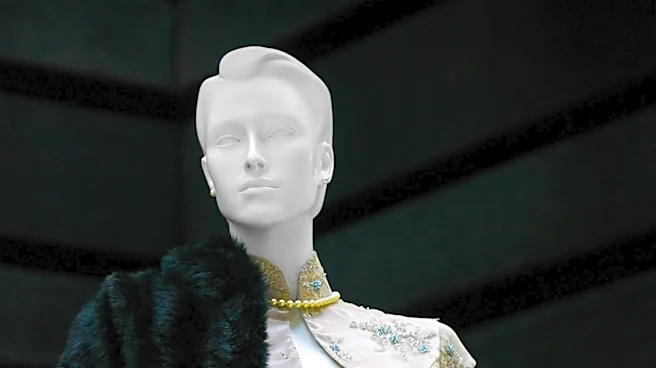
tenure at Maison Margiela, which ended in 2024. The event will feature a variety of Galliano's creations, including garments, accessories, sketches, and archival materials from his time at Dior and Givenchy. The exhibition will run from May 9, 2027, to January 9, 2028, concluding with pieces from his spring/summer 2024 show for Maison Margiela. Galliano's designs have been a staple at the Met Gala, worn by celebrities like Kim Kardashian and Zendaya.
Why It's Important?
This exhibition is significant as it not only celebrates Galliano's creative contributions to fashion but also addresses the complexities of his legacy. Galliano's work has been influential in shaping modern fashion, known for its theatrical and imaginative qualities. However, his career has been marred by controversy, including his dismissal from Dior due to antisemitic and racist remarks. The exhibition aims to explore these dual aspects of his legacy, reflecting on how cultural values and his conduct have influenced perceptions of his work. This event could spark discussions on the intersection of art, personal conduct, and cultural values in the fashion industry.
What's Next?
The exhibition is expected to draw significant attention from the fashion world and beyond, potentially influencing future discussions on the responsibilities of artists and designers. It may also impact how fashion institutions address the legacies of controversial figures. Stakeholders in the fashion industry, including designers, critics, and cultural commentators, are likely to engage in debates about the balance between celebrating artistic achievements and acknowledging personal misconduct. The exhibition could set a precedent for how similar cases are handled in the future.
Beyond the Headlines
The Met Gala's decision to focus on Galliano highlights broader cultural shifts in how the fashion industry deals with the legacies of its figures. It raises questions about redemption, accountability, and the evolving standards of conduct expected from public figures. The exhibition's approach to Galliano's work as a form of 'cartography' suggests a deeper exploration of how fashion can map cultural and emotional landscapes. This perspective may influence future exhibitions and the way fashion history is curated and presented.