





What's Happening?
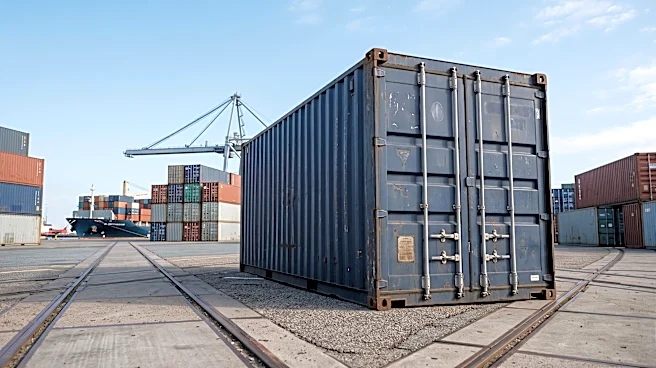
The U.S. and China have extended the suspension of reciprocal port fees until January 10, 2027, a move aimed at providing temporary relief to shipping lines and cargo owners. This extension is part of a broader rollover of the bilateral trade truce, creating
additional room for negotiations ahead of an anticipated meeting between President Trump and Chinese President Xi Jinping. Despite this de-escalation in maritime policy, the U.S. midterm elections have introduced new uncertainties for trade and logistics, particularly as container imports begin to slow after an extended peak season. The political shift means the Trump administration faces pressure to address voter concerns over affordability, which could lead to restraint on tariffs and efforts to ease energy prices. However, a more challenging legislative environment might push the president towards executive action in trade and foreign policy.
Why It's Important?
This extension of the port fee suspension offers a crucial, albeit temporary, reprieve for the shipping industry and businesses engaged in trans-Pacific trade. It directly impacts U.S. importers and consumers by potentially mitigating some of the high freight costs that have characterized the current shipping season. The ongoing trade uncertainty, exacerbated by the U.S. midterm election results, means that businesses must navigate a complex and unpredictable policy landscape. While the de-escalation in maritime policy is positive, the broader trade disputes, including tariffs and technology restrictions, remain unresolved. The incoming Democratic-controlled Congress is expected to exert greater oversight, potentially complicating future negotiations with China and influencing the Trump administration's trade policy decisions. This dynamic could lead to shifts in global supply chains and impact the competitiveness of U.S. industries.
What's Next?
Further negotiations are expected to take place ahead of an anticipated meeting between President Trump and Chinese President Xi Jinping. The effectiveness of these negotiations in producing a longer-term trade agreement remains uncertain, especially as technology, security, and shipbuilding policies increasingly intersect with trade discussions. The incoming Democratic-controlled Congress, taking office in January, will have enhanced oversight and appropriations powers. This shift could complicate the Trump administration's ability to act unilaterally on trade matters, even where presidential authority exists. Businesses and policymakers will be closely watching for any indications of a more definitive trade agreement or further escalations in trade disputes, which could significantly impact trans-Pacific ocean freight rates and overall economic stability.
Beyond the Headlines
The extension of the port fee suspension, while a practical measure, underscores the delicate balance in U.S.-China trade relations. It highlights a strategic effort to maintain a degree of stability amidst deeper, unresolved issues. The interplay between domestic political pressures, such as voter concerns over affordability, and international trade policy reveals the complex decision-making environment for the Trump administration. The increasing intersection of trade with national security and technological competition suggests that future negotiations will extend beyond traditional economic concerns, encompassing broader geopolitical implications. This evolving landscape could lead to a re-evaluation of global trade frameworks and a greater emphasis on strategic autonomy for both nations, potentially reshaping international economic alliances and supply chain resilience in the long term.